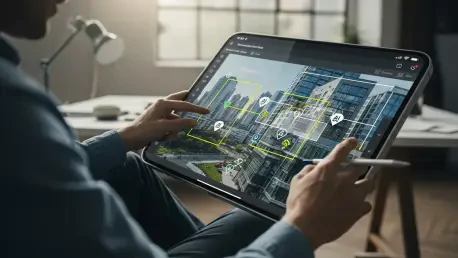

The traditional method of manipulating artificial intelligence through isolated text commands is rapidly giving way to a more tactile and visually integrated experience within the mobile ecosystem. Google is currently spearheading this transition by overhauling the image editing capabilities of its Gemini AI platform, moving away from a primitive, text-heavy prompting system toward a sophisticated, interactive markup interface. This development, identified in recent beta builds, signals a strategic pivot intended to make generative visual editing feel less like an abstract programming exercise and more like utilizing a professional graphics application. By streamlining the way users interact with generated content, the platform aims to reduce the cognitive load associated with complex prompt engineering. The update replaces the cumbersome process of switching between different tools and chat windows, offering a unified workspace where visual selection and natural language commands coexist. This shift marks a significant milestone in the evolution of mobile creativity, where the boundary between a simple chatbot and a functional design assistant continues to blur into a singular, intuitive experience for creators across all skill levels.
Streamlined Workflows and Enhanced User Interfaces
The fundamental objective of this architectural update involves the total elimination of context switching, a common pain point that has historically hindered the efficiency of AI-driven creative processes. In previous iterations, users were often forced to highlight a specific area of an image using one tool before navigating back to a separate dialogue box to describe the desired modifications. This fragmented approach frequently led to miscommunications between the user and the model, resulting in multiple failed iterations. The new design addresses this by consolidating all necessary functions into a single, cohesive view that allows for simultaneous action. A dedicated text box is now pinned to the bottom of the editor, enabling the provision of natural-language instructions while the user is actively selecting target regions on the canvas. This immediate feedback loop ensures that the artificial intelligence interprets the spatial context of the request with far greater accuracy than before, mirroring the high-precision workflows found in industry-standard desktop software suites.
Building upon these interface improvements, the updated system introduces a suite of precision tools that closely resemble the inpainting features utilized by professional digital artists. The UI now incorporates dedicated region selection tools, resizing presets, and placeholders for various visual effects, all of which are optimized for the constraints of mobile hardware. By maintaining all creative tools on one screen, the system maximizes the limited real estate available on smartphones, allowing for rapid, iterative changes such as swapping object colors or blurring backgrounds with minimal friction. This level of granular control is particularly beneficial for users who require quick adjustments during a commute or while working away from a traditional workstation. The shift toward a mobile-first design philosophy suggests that the goal is not merely to generate images from scratch but to provide a robust environment for refining and perfecting visual assets through a series of natural, conversational steps that prioritize user intuition over technical expertise.
Competitive Positioning and Ecosystem Integration
This strategic move aligns the platform with broader industry trends established by major players such as Adobe, Midjourney, and Canva, who have all moved toward a generative fill model of editing. By adopting this conversational assistant approach, the system moves beyond the limited one-shot prompt model that characterized the early stages of generative art. The primary differentiator in this instance is the vast reach of the underlying ecosystem, which spans hundreds of millions of devices worldwide. If these editing tools are standardized across the broader mobile operating system and productivity suites, it would allow professional users to move from an initial conceptual mockup to a final document or presentation without ever needing to export files between disparate third-party services. This level of deep integration provides a competitive advantage that standalone AI services struggle to match, as it places high-end creative power directly into the applications that people already use for their daily communication and professional tasks.
Looking ahead toward the 2026 to 2028 period, the integration of these tools into collaborative environments like cloud-based document editors and photo management galleries will likely redefine the standard for digital productivity. Instead of treating image generation as a novelty, the new interface positions it as a core utility for enhancing visual communication. The ability to perform complex edits—such as changing the lighting of a scene or removing distracting elements from a corporate headshot—via simple gestures and voice commands represents a democratization of design skills. Furthermore, the standardization of these interactive elements across various platforms ensures that the user experience remains consistent regardless of the specific device being used. This consistency is vital for fostering user trust and long-term adoption, as it removes the steep learning curve typically associated with mastering professional-grade photo manipulation software, making advanced visual storytelling accessible to an entirely new demographic of digital citizens.
Safety Standards and Technical Provenance
As generative tools become increasingly powerful and accessible, the maintenance of transparency and technical integrity has become a critical priority for the developers involved. To address concerns regarding the authenticity of digital media, the platform is expected to utilize advanced pixel-level watermarking technology developed in collaboration with leading research laboratories. This system, known as SynthID, embeds a verifiable digital signature within the image data that remains intact even after multiple rounds of editing or compression. By ensuring that every AI-generated or modified image carries this metadata, the system helps maintain a clear chain of provenance as an asset undergoes various iterations. This approach is essential for preventing the spread of misinformation and ensuring that viewers can distinguish between captured photography and synthesized content, thereby upholding the ethical standards required for professional and journalistic use cases in an increasingly complex visual landscape.
Beyond the implementation of digital signatures, the move toward clearer on-canvas selection tools serves a secondary purpose in mitigating the risks of unintended biases or scene-wide distortions. Purely text-driven AI edits often suffer from a lack of spatial awareness, which can lead to the accidental alteration of background elements or the introduction of visual artifacts that ruin the composition. By providing users with the ability to physically define the boundaries of an edit, the system can more accurately constrain the generative process to the intended area. This increased precision results in higher-quality outputs that respect the original photographer’s intent while still allowing for significant creative flexibility. This technical refinement represents a shift toward a more responsible form of artificial intelligence development, where the focus is placed on enhancing human creativity through controlled, reliable tools rather than relying on unpredictable black-box generation that lacks granular oversight.
Future Developments in Autonomous Creative Assistance
The overhaul of the interactive user interface represented a major step toward making artificial intelligence a practical tool for everyday creative tasks. Developers successfully eliminated the friction associated with traditional prompting, allowing users to engage with images through a natural combination of touch and language. This transition proved that the next phase of digital evolution was not about increasing the complexity of models, but about improving the accessibility of the controls that governed them. By centering the experience on the user’s intent rather than technical syntax, the platform effectively lowered the barrier to entry for high-quality mobile design. The implementation of standardized tools across the ecosystem ensured that these advancements were not confined to a single app, but instead became a fundamental part of the digital workflow. This approach solidified the role of the assistant as a functional partner in the creative process, capable of executing complex instructions with unprecedented spatial accuracy and contextual relevance.
The historical rollout of these features established a new benchmark for how generative technology should be integrated into consumer electronics. The past efforts to synchronize visual editing across mobile and cloud platforms created a more cohesive environment for professionals who required agility without sacrificing power. It was observed that the presence of fully scaffolded UI elements in the testing phase served as a precursor to a wider public launch that fundamentally changed user expectations for mobile photography. Moving forward, the focus shifted toward refining these interactions to be even more proactive, suggesting edits before a user even identified a need for them. These past innovations laid the groundwork for a future where the distinction between professional design software and a standard mobile assistant virtually disappeared. The lessons learned during this period demonstrated that the most effective technology was that which empowered the user through intuitive design, robust safety protocols, and seamless cross-platform functionality.