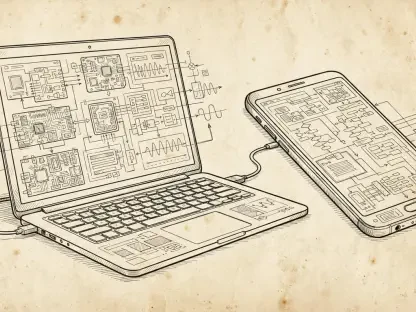

Pro-investment regulations and targeted subsidies for mobile handsets are essential components for lowering the digital entry barrier for consumers. While the physical infrastructure of mobile networks has reached nearly every corner of the Asian continent, a significant portion of the population

The quiet evolution of digital surveillance has reached a tipping point where a simple visit to a legitimate website can compromise a high-value target’s entire mobile ecosystem without any physical or digital interaction. This transition from active phishing to passive, zero-click exploitation

The release of the Pixel 2 and 2 XL solidified Google's reputation for image processing through the introduction of the visually striking black-and-white Panda aesthetic. This specific design language signaled more than just a stylistic choice; it represented a bold departure from the industrial,

Until under-display Face ID technology matures further, the side-mounted fingerprint sensor remains the most pragmatic solution for Apple's thinnest mobile chassis. The debut of the iPhone Duo represents a landmark moment for the company as it finally enters the foldable smartphone market with a
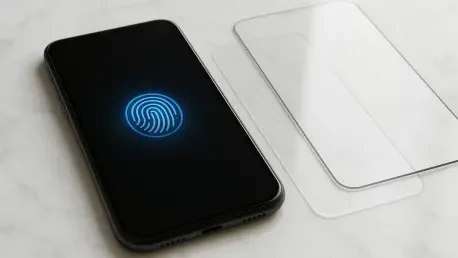
Users often find that increasing the touch sensitivity setting in the display menu is a mandatory step for maintaining scanner responsiveness after applying a tempered glass protector. This phenomenon highlights the delicate balance between physical device security and the seamless user experience

Modern mobile computing has reached a point where smartphones serve as the primary interface for both professional obligations and personal management, making any technical disruption a significant hurdle. Persistent application failures on Android devices often stem from buggy software updates