
The integration of AI technology into mobile devices has revolutionized user experiences, offering unprecedented access to information and services. However, this technological advancement has also exposed mobile platforms to new vulnerabilities, notably Agentic AI malware. This type of malware

In an era dominated by technological advancements, the prominence of artificial intelligence (AI) in daily life has surged dramatically. AI Assistants like Apple's Siri, Google Gemini, Microsoft's Copilot, and OpenAI's ChatGPT have rapidly evolved, offering unprecedented convenience through

Apple's Shortcuts app, often considered an underutilized tool, has undergone a transformation in iOS 26, propelling it to the forefront of mobile productivity and equipping users with far more powerful features. Through AI integration, the Shortcuts app transcends the traditional boundaries of
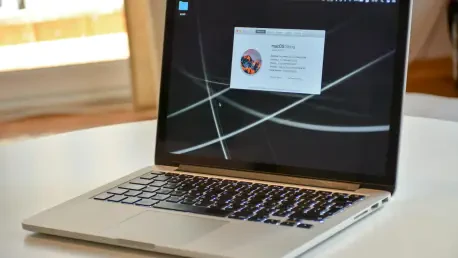
In 2025, Apple's latest macOS 26 brought a transformative update to Spotlight, fundamentally altering its capabilities and positioning it as a formidable alternative to Siri. Traditionally seen as a straightforward search functionality, Spotlight now goes beyond its original purpose, emerging as a

Artificial intelligence has become an integral part of daily life in the United States, reshaping how individuals interact with technology and manage routines. The adoption of AI tools started as a gradual process but has rapidly accelerated, becoming a ubiquitous presence in consumer activities.

In a rapidly evolving technological landscape dominated by artificial intelligence, Apple has decided to delay its highly anticipated Siri AI updates to prioritize quality and reliability over a faster market entry. This bold shift has puzzled and intrigued both consumers and industry insiders.