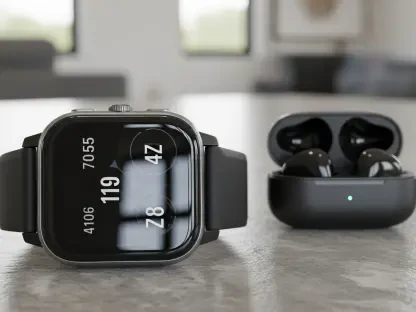
In a world where smartphone giants like Apple, Samsung, and Huawei often steal the spotlight, an underdog has emerged from the shadows to redefine the mobile tech landscape. ZTE, a name not typically associated with groundbreaking consumer devices, has stunned the industry with a bold leap into artificial intelligence through an unprecedented partnership with ByteDance’s Doubao team. This collaboration has birthed a device that’s not just a phone but a glimpse into the future of autonomous technology. The nubia M153, released as a technical preview on December 1st, has ignited a firestorm of excitement, sending ZTE’s stock soaring and captivating tech enthusiasts hungry for innovation. What makes this moment so compelling isn’t just the technology itself, but how a lesser-known player has managed to outpace industry titans in the race toward true AI integration. This surge marks a turning point, raising questions about where mobile technology is headed and who will lead the charge in shaping its evolution.
Redefining the Market with AI Breakthroughs
ZTE’s sudden rise in the smartphone arena stems from its audacious embrace of AI, a move that has caught even the most seasoned industry observers off guard. The nubia M153, powered by the Doubao Mobile Assistant, isn’t just another gadget—it’s a prototype that reimagines what a phone can do. Capable of autonomously handling tasks like comparing prices across e-commerce platforms and ordering items with minimal user input, this device positions itself as a personal assistant rather than a mere tool. Unveiled to a niche audience of industry insiders, the device sidesteps the risks of mass-market rollout while still generating massive buzz. Its release has sparked conversations about how AI could transform daily interactions with technology, pushing the boundaries beyond simple voice commands to complex, independent decision-making. For ZTE, this isn’t just a product launch; it’s a statement of intent to carve out a significant space in a crowded and competitive field.
The market’s response to ZTE’s innovation has been nothing short of electric, signaling a hunger for this kind of forward-thinking tech. Following the announcement, ZTE’s A-shares hit a daily limit of 46.3 yuan, while H-shares jumped nearly 14%, boosting the company’s market value to a staggering 211.1 billion yuan. Even more telling is the frenzy on second-hand trading platforms, where the nubia M153’s price has ballooned from an initial 3,499 yuan to as much as 9,999 yuan. This surge reflects not just consumer curiosity but also investor confidence in AI as the next big thing in mobile devices. Unlike the polished, incremental updates from bigger brands, ZTE’s gamble on a rough-around-the-edges prototype has paid off in visibility and intrigue. It’s a reminder that sometimes, taking risks can yield rewards that resonate far beyond the balance sheet, setting a new tone for what innovation looks like in the smartphone sector.
Navigating the Hurdles of AI Integration
However, ZTE’s path to AI dominance is not without its share of stumbling blocks, as early adopters of the nubia M153 have quickly discovered. A significant issue surfaced when users encountered disruptions with WeChat, including unexpected logouts triggered by the device’s AI system. The Doubao Mobile Assistant, using a “GUI Agent” to simulate human clicks, clashed with WeChat’s security protocols, which flagged the actions as potential threats. This glitch isn’t merely a technical hiccup; it exposes a deeper challenge in ensuring AI can seamlessly interact with existing apps without triggering unintended consequences. For users, it’s a frustrating reminder that cutting-edge tech often comes with growing pains. For ZTE, it’s a critical lesson in the complexities of integrating AI into a ecosystem not yet prepared for such autonomy, underscoring the need for broader solutions that go beyond a single device or company.
Moreover, this incident with WeChat shines a spotlight on the broader implications of AI-driven mobile technology across the industry. As phones evolve into autonomous assistants capable of navigating third-party apps, concerns about data security, user privacy, and accountability take center stage. Who is responsible when an AI missteps— the manufacturer, the app developer, or the AI creator? ZTE’s experience serves as a cautionary tale, highlighting the urgent need for standardized protocols to govern how AI interacts with popular platforms. Without such frameworks, even the most innovative devices risk alienating users through compatibility issues or security scares. This challenge isn’t unique to ZTE; it’s a hurdle the entire sector must clear if true AI integration is to become mainstream. Until then, early movers like ZTE must navigate a landscape where every breakthrough comes with the potential for backlash or unforeseen roadblocks.
Strategic Risks in a Cautious Industry
In contrast to ZTE’s daring approach, most smartphone giants exhibit a noticeable restraint when it comes to AI integration, prioritizing user trust over unproven innovation. Companies like Huawei, Xiaomi, and Apple have the resources to push boundaries, yet they opt for gradual enhancements to existing assistants rather than rolling out fully autonomous systems. The reasoning is clear: a single high-profile failure—think software crashes or overheating—could damage brand reputation irreparably. Stability and reliability remain paramount, especially for brands with massive consumer bases expecting polished experiences. This caution creates a stark contrast with ZTE’s willingness to experiment, even if it means releasing a product that’s explicitly not for the average user. It’s a calculated gamble that could either cement ZTE’s status as a visionary or expose it to criticism if issues persist.
ZTE’s strategy of targeting industry insiders with the nubia M153 offers a clever way to mitigate some of these risks while still driving progress. By limiting the initial release to a niche, tech-savvy audience, the company gains invaluable feedback without the pressure of mass-market expectations. This approach allows for real-world testing and refinement, something larger competitors might struggle to achieve without risking public scrutiny. Furthermore, it positions ZTE as a bold innovator, willing to explore uncharted territory where others hesitate. If successful, this could redefine how new technologies are introduced, encouraging a model of iterative development over blockbuster launches. However, the tightrope ZTE walks is evident—balancing pioneering spirit with the practical need for reliability remains a delicate act, one that could shape its trajectory in the coming years as AI becomes more integral to mobile devices.
Partnerships Paving the Way Forward
Looking at the bigger picture, ZTE’s collaboration with Doubao mirrors a growing trend in the tech world where partnerships often outshine solo efforts. The industry is increasingly leaning on shared expertise, as seen in alliances like Alibaba’s work with Apple to enhance Siri or OPPO and vivo’s development of mobile-side AI models. For ZTE, teaming up with Doubao brings together hardware prowess and cutting-edge AI, creating a synergy that neither could achieve alone. This collaboration has allowed ZTE to punch above its weight, delivering a product that captures attention in a market dominated by bigger names. It’s a testament to the power of strategic alliances in accelerating innovation, especially for companies lacking the vast resources of industry leaders. As mobile tech continues to evolve, such partnerships may become the standard for pushing boundaries without bearing all the risk independently.
Beyond individual collaborations, this trend signals a shift toward a more interconnected future for mobile AI development. The complexities of integrating AI into hardware—supply chain logistics, software compatibility, and user experience design—make it impractical for most companies to go it alone. ZTE and Doubao’s alliance highlights how dividing responsibilities can yield impactful results, with one focusing on the device and the other on the intelligence behind it. This model could inspire other players to seek complementary strengths rather than compete in every aspect of development. Additionally, it raises the stakes for establishing industry-wide standards, as collaborative efforts will need common ground to ensure seamless integration across devices and platforms. ZTE’s current success with Doubao could serve as a blueprint, encouraging a wave of cooperative innovation that reshapes how the next generation of smartphones is built.
Shaping Tomorrow’s Mobile Landscape
Reflecting on ZTE’s remarkable ascent, it’s evident that the company’s bold steps into AI integration marked a pivotal moment in mobile technology history. The nubia M153, despite its early challenges, proved that even a less prominent player could disrupt the status quo with the right vision and partnership. Its introduction on December 1st shifted perceptions, turning ZTE into a name associated with cutting-edge potential rather than just another competitor. The stock market surges and consumer frenzy on resale platforms spoke to a shared excitement for what AI could achieve, even as glitches like the WeChat logout issue tempered that enthusiasm with reality checks. ZTE navigated this landscape with a strategy that balanced risk and innovation, setting itself apart in an industry often defined by cautious incrementalism.
Moving forward, the lessons from ZTE’s journey offer actionable insights for the entire sector. Addressing compatibility and security concerns through standardized AI-app interaction protocols should be a priority, ensuring that future devices avoid the pitfalls encountered by early adopters. Collaborations, as demonstrated by the alliance with Doubao, must continue to drive progress, pooling expertise to tackle the multifaceted challenges of AI integration. For ZTE, sustaining this momentum will mean refining its technology based on insider feedback while preparing for broader consumer adoption. The industry as a whole stands at a crossroads, with the potential to redefine user experiences—if it can solve the underlying technical and ethical dilemmas. ZTE’s story is a call to action, urging all players to embrace innovation thoughtfully, paving the way for a future where smartphones truly become intelligent partners in everyday life.