The seemingly simple act of tapping a smartphone screen to order a meal unleashes a cascade of complex digital processes, a reality that has fundamentally reshaped the food and beverage industry over the last decade. This monumental transition from traditional dine-in service to a digitally-driven, on-demand economy has been orchestrated by a specialized class of technology and consulting firms. These companies are the architects behind the sophisticated mobile applications and intricate digital ecosystems that now form the backbone of the modern culinary landscape. For businesses ranging from solo-entrepreneur cloud kitchens to sprawling food conglomerates, a user-friendly, scalable, and secure mobile platform is no longer a luxury but an indispensable asset for survival and growth. The developers leading this charge are not merely coding applications; they are engineering the very future of how the world eats, integrating logistics, payments, and customer engagement into a seamless digital experience.
The Anatomy of a Modern Delivery Platform
Core Features and Digital Foundations
At the heart of every successful food delivery service lies a set of foundational features meticulously designed to build user trust and ensure operational fluidity. A critical component is real-time GPS tracking, a feature that has become a consumer expectation rather than a perk. It provides essential transparency, allowing customers to follow their order’s progress from the restaurant’s kitchen to their location, which significantly enhances the user experience and reduces anxiety. Complementing this is the integration of secure and diverse payment gateways. The ability to process transactions flawlessly through various methods—including credit cards, debit cards, and an array of digital wallets—is non-negotiable for capturing the widest possible customer base and ensuring that the final step of the purchasing journey is both simple and secure. A user-centric UI/UX design is equally paramount, as an intuitive, responsive, and aesthetically pleasing interface is what ultimately attracts and retains users in a highly competitive market.
Beyond the fundamental mechanics of ordering and payment, a successful platform thrives on its ability to engage users and provide actionable insights to its business partners. Push notifications serve as a vital communication channel, keeping customers informed with real-time updates on their order status, from preparation to dispatch, while also serving as a powerful marketing tool for delivering targeted promotions and special offers. In the back end, advanced analytics dashboards are the engine of strategic decision-making. These tools provide restaurant partners and platform administrators with a wealth of data on customer behavior, peak ordering times, popular menu items, and operational efficiency, enabling them to optimize everything from inventory to marketing spend. Furthermore, integrated rating and review systems create a transparent, self-regulating community, fostering a sense of trust among users while providing invaluable feedback that helps restaurants improve their service and quality.
The Comprehensive Digital Ecosystem
The most successful food delivery platforms are not single applications but rather comprehensive, multi-faceted digital ecosystems where several distinct components work in perfect harmony. The architecture is typically composed of four integral parts. First is the customer-facing application, the primary interface through which users browse menus, place orders, and make payments. Its design must be flawless to ensure a frictionless experience. Second is a dedicated application for delivery agents, equipped with optimized routing algorithms, order management tools, and communication features to ensure efficient and timely pickups and drop-offs. Third is a business dashboard for restaurant partners, which allows them to manage their menus, accept and process incoming orders, track earnings, and run promotional campaigns. Finally, a centralized admin control panel gives the platform owner a bird’s-eye view of the entire operation, with tools to manage users, restaurants, payments, and logistics, ensuring the entire system functions as a cohesive unit.
Underpinning this interconnected suite of applications is a robust and highly scalable technological architecture designed to handle immense complexity and traffic. Building such a platform requires a modern technology stack capable of supporting real-time data synchronization across all components, from a customer placing an order to a driver marking it as delivered. The backend infrastructure must be built on a cloud-native framework to ensure high availability and the ability to dynamically scale resources during peak demand, such as dinner rushes or holidays. Security is another cornerstone, requiring end-to-end encryption to protect sensitive user data and payment information, alongside compliance with regional data protection regulations. This level of technical sophistication is why partnering with a professional development company is crucial; they possess the expertise to build a reliable and secure foundation that can support sustainable growth and adapt to future technological advancements in the industry.
Profiling the Industry Architects
The Agile Innovators and Custom Solution Crafters
In the diverse landscape of food delivery app development, a distinct category of firms specializes in creating highly tailored and flexible solutions. Dev Technosys exemplifies this approach, distinguishing itself by building unique, custom applications from the ground up. Rather than relying on pre-made templates or white-label solutions, their process is centered on understanding a client’s specific brand identity, operational needs, and target audience to craft a platform that is truly one-of-a-kind. This bespoke approach is ideal for businesses that want to stand out in a saturated market with a differentiated user experience, proprietary features, or a highly specific visual brand. By focusing on custom development, they empower businesses to create a digital asset that not only functions flawlessly but also serves as a powerful extension of their brand, fostering deeper customer loyalty and a distinct competitive advantage that generic solutions cannot replicate.
Similarly focused on delivering adaptable and cutting-edge solutions, Coforge has carved out a reputation for its mastery of agile development methodologies and its cloud-first engineering philosophy. This approach prioritizes speed, flexibility, and iterative improvement, enabling businesses to launch a minimum viable product quickly and then continuously enhance it based on real-world user feedback and evolving market dynamics. By leveraging the power of cloud infrastructure, Coforge builds platforms that are inherently scalable, resilient, and capable of integrating advanced services with ease. This positions them as a strong partner for startups and established enterprises alike that need to navigate the fast-paced digital landscape effectively. For a company aiming to enter the market swiftly, test new ideas without massive upfront investment, and maintain the agility to pivot as needed, Coforge’s methodology provides the technological framework necessary to support rapid growth and continuous innovation.
Global Titans of End to End Digital Transformation
A significant segment of the market is dominated by large-scale IT and consulting firms that offer comprehensive, end-to-end digital transformation services. Companies such as Wipro, Capgemini, TCS, and HCL Tech approach food delivery not just as an app development project but as a holistic business challenge. Their scope extends far beyond the consumer interface to digitize and optimize the entire food and beverage value chain. This includes implementing systems for intelligent kitchen automation, streamlining order processing workflows, optimizing delivery fleet management through advanced logistics platforms, and digitizing supply chain operations for maximum efficiency and waste reduction. Their goal is to create a seamlessly integrated digital enterprise where every aspect of the business, from procurement to the final delivery, is data-driven, automated, and optimized for performance, turning the delivery platform into the central nervous system of the entire operation.
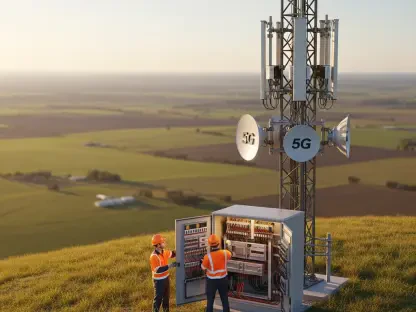
These global powerhouses differentiate themselves by leveraging their vast resources to integrate emerging and next-generation technologies into their solutions. Tech Mahindra, for instance, is at the forefront of incorporating 5G connectivity for ultra-reliable, low-latency communication between drivers, restaurants, and customers. It also explores blockchain for enhancing supply chain traceability and transparency, ensuring food safety and authenticity. Meanwhile, firms like Cognizant and TCS heavily invest in artificial intelligence and machine learning, developing sophisticated algorithms for predictive demand modeling to help restaurants manage inventory, creating deeply personalized customer experiences with tailored recommendations, and deploying intelligent automation to handle routine operational tasks. By building on scalable, cloud-native architectures, these industry giants construct robust, future-proof platforms designed to handle immense user traffic and complex logistical challenges with ease.
The Strategic Consultants and Engineering Specialists
Distinct from pure development shops are firms that provide high-level strategic guidance and specialized product engineering. KPMG, a global consulting leader, engages with food and beverage businesses on a strategic plane, helping them navigate the complexities of digital transformation. Their role is not just to oversee the creation of an app but to help define a comprehensive technology roadmap that aligns with overarching business goals. They assist clients in mapping out optimal user journeys, designing a superior digital customer experience, and implementing sophisticated data analytics systems to drive growth. Furthermore, KPMG advises on critical aspects of operational efficiency, risk management, and regulatory compliance, ensuring that the technology strategy is sound, sustainable, and capable of delivering a tangible return on investment. Their contribution is the strategic blueprint that guides the entire digital initiative from conception to successful implementation and beyond.
On the other end of the specialization spectrum is GlobalLogic, a firm renowned for its expertise in product engineering and digital design. Their core strength lies in architecting powerful, resilient, and high-performance digital products from the ground up. They bring a rigorous engineering discipline to the development process, focusing on creating clean, scalable codebases and robust back-end systems capable of withstanding the intense demands of a high-traffic delivery platform. GlobalLogic excels at crafting cutting-edge user experiences, combining deep user research with elegant design to create interfaces that are both beautiful and highly functional. By employing sophisticated engineering practices and an accelerated development methodology, they help businesses reduce their time-to-market without compromising on quality or stability. For companies whose success hinges on the technical excellence and flawless performance of their digital product, GlobalLogic offers the deep engineering prowess required to build a world-class platform.
Navigating the Development Journey
A Strategic Investment for Sustainable Growth
Embarking on the development of a professional food delivery application represents a significant, yet critical, strategic investment. The financial commitment typically falls within a range of $8,000 to $25,000, with a development timeline spanning from 10 to 30 weeks. These figures are not arbitrary; they reflect the deep complexity involved in creating a multi-faceted platform that is secure, scalable, and intuitive. The cost and duration are directly influenced by the project’s scope, including the number of custom features requested, the intricacy of the back-end logic, and the number of platforms required, such as iOS, Android, and a web application. However, viewing this as a mere expense would be shortsighted. Instead, it is an investment in the foundational infrastructure of a modern digital business. Partnering with an expert development company ensures that this investment yields substantial returns by delivering a reliable, high-performance architecture built on a modern technology stack capable of supporting long-term growth and innovation.
The Decisive Factor in a Competitive Marketplace
The choice of a development partner proved to be a decisive factor for businesses aiming to thrive in the crowded digital food landscape. This decision was never merely about coding an application; it was about securing a strategic ally equipped to navigate the immense technical and operational challenges of the on-demand economy. Companies that succeeded understood that this partnership was the cornerstone of their digital strategy. The selection process required a careful evaluation of a business’s unique needs, long-term ambitions, and desired market position. Whether the optimal path was a bespoke, brand-centric platform from a specialized firm like Dev Technosys or a comprehensive, industrial-scale digital transformation led by a global powerhouse like TCS, making the right choice was paramount. Ultimately, it was this strategic alignment between a business’s vision and its technology partner’s capabilities that enabled the creation of resilient, user-loved platforms and paved the way for sustainable success.