
The landscape of portable computing has undergone a radical transformation where users no longer accept reduced performance in exchange for smaller screen dimensions. With a release window set for the end of 2026, the iPad Mini 8 focuses on high-end durability and internal power rather than simple cosmetic changes to the previous model. This shift signals a departure from the historical positioning of the smallest tablet as a budget-friendly entry point, pivoting instead toward a professional-grade tool designed for extreme mobility. While previous iterations maintained a steady but slow evolution, this latest development cycle prioritizes a complete architectural overhaul. The industry has watched as demand for high-density computing skyrocketed, leading to a device that finally bridges the gap between pocket-sized convenience and desktop-level processing capabilities. By focusing on structural integrity and sophisticated internal logic, the device aims to capture a professional demographic that requires resilience and high performance.
Evolution of the Modern Visual Experience
The Integration of Hybrid OLED Displays
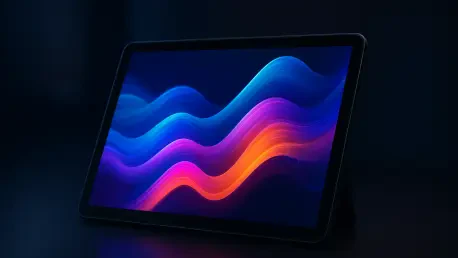
The most visible advancement in this new generation is the integration of hybrid OLED panels, which fundamentally change the visual profile of the compact form factor. This technology combines the thinness of flexible OLED with the structural rigidity of rigid OLED, resulting in a display that provides ink-like blacks and a much higher peak brightness without increasing the overall thickness of the unit. Although the screen size has expanded to approximately 8.7 inches by minimizing the bezels, the device retains its signature portability. Some critics have pointed out that the refresh rate remains capped at 60Hz to preserve the market distinction of the Pro series, yet the improved color accuracy and contrast ratios offer a significant leap forward for creative professionals. This display technology also effectively eliminates the common visual artifacts found in older LCD models, ensuring that high-resolution media and detailed spreadsheets appear with exceptional clarity in various lighting.
Physical Refinements for Modern Workflows
Beyond the screen technology, the physical layout of the tablet has been modified to reflect how modern professionals actually utilize their devices during the workday. One of the most significant changes involves relocating the front-facing camera to the landscape edge, optimizing the device for video conferencing and multitasking when docked or held horizontally. This adjustment aligns the compact tablet with the broader ecosystem, making it a more viable tool for remote collaboration. The chassis itself feels more refined, utilizing a new alloy that maintains a lightweight profile while offering enhanced resistance to torsional stress. Furthermore, the reduction in bezel size allows for a more immersive experience without forcing the user to adopt a larger footprint. These ergonomic adjustments demonstrate a deep understanding of the user experience, moving away from a portrait-first orientation that had previously limited the utility of the device in professional settings.
Engineering for Extreme Performance and Resilience
The Impact of 20nm Processing Power
At the heart of this compact frame lies the A20 Pro chip, an engineering marvel built on a cutting-edge 2nm process that pushes the boundaries of what is possible in a small enclosure. By shrinking the transistor size, the processor achieves a remarkable increase in efficiency while delivering raw speeds that rival full-sized laptops. This power is complemented by a substantial leap to 12GB of RAM, a necessity for the latest generation of localized artificial intelligence tasks and complex data processing. Such an increase in memory ensures that the operating system remains responsive even when running multiple high-demand applications simultaneously. Users can expect seamless transitions between creative suites and analytical tools without the bottleneck of background app refreshing. This hardware configuration provides a sustainable platform for future software iterations, ensuring that the tablet remains a powerful tool for several years as digital demands grow.
Revolutionary Durability and Sound Systems
Structural resilience was elevated to a primary feature through the introduction of a chassis that featured genuine water and dust resistance for the first time in the series. To achieve this level of protection, engineers moved away from traditional speaker grilles that created entry points for moisture and debris. Instead, the device utilized a vibration-based acoustic system that radiated sound directly through the screen and frame, creating a rich audio experience without the need for physical perforations. This innovation not only enhanced the durability of the unit for field work but also allowed for a cleaner, more unified aesthetic. Connectivity was also prioritized with the inclusion of Wi-Fi 7 and high-speed USB-C ports, facilitating rapid data transfers that are essential for large file management. Despite these high-performance upgrades, the efficiency of the 2nm silicon allowed the device to maintain its ten-hour battery life, ensuring that the tablet remained a reliable tool for professionals.