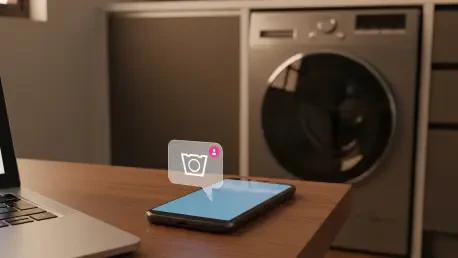

Modern household management often feels like a constant battle against forgotten chores and overlapping schedules, particularly when it comes to the never-ending cycle of laundry. For many individuals, the process of washing clothes is not the issue, but rather the tendency to leave wet garments sitting in the drum long after the cycle has concluded, leading to a musty odor and the need for a repeat wash. This cycle of procrastination and forgetfulness can be effectively interrupted by the integration of intelligent appliances that act as active participants in home maintenance rather than passive tools. By leveraging sensors, connectivity, and real-time alerts, these devices bridge the gap between human error and household efficiency. As the smart home ecosystem matures in 2026, the transition from traditional machines to connected ones is no longer just about novelty but about solving the persistent psychological hurdle of task completion. The ability to receive a direct notification on a smartphone or a verbal reminder from a voice assistant transforms a chore that was once “out of sight, out of mind” into an actionable task that fits into a busy professional or personal life.
The psychological impact of knowing exactly when a task is finished cannot be overstated, as it removes the mental load of having to check on a machine repeatedly. Smart washers provide a level of visibility that was previously impossible, allowing users to track progress through every stage of the agitation and rinse cycles without moving from their desks or leaving their current activity. This transparency fosters a sense of accountability, making it much harder to justify leaving a load to sit for hours. Furthermore, the integration of these machines into a broader automated environment allows for the synchronization of chores with daily routines. When technology handles the monitoring, the human operator is freed to focus on higher-level priorities, confident that the system will provide a nudge at the precise moment action is required. This shift toward proactive appliances is redefining how people interact with their living spaces, ensuring that home maintenance is streamlined and that the common pitfalls of domestic procrastination are systematically eliminated through intelligent design and constant connectivity.
1. Select Your Equipment: Finding the Right Ecosystem Match
The foundation of a successful smart laundry setup begins with selecting appliances that are fully compatible with the existing technological infrastructure of the home. It is not enough to simply purchase a machine with Wi-Fi capabilities; the device must be able to communicate fluently with the specific smart home hubs and protocols already in use. For instance, Samsung models are highly regarded for their deep integration with the SmartThings platform, which serves as a centralized brain for thousands of connected devices. When a consumer chooses equipment that matches their ecosystem, they ensure that the setup process is intuitive and that the subsequent automation sequences are reliable. Compatibility also dictates the depth of information available to the user, such as energy consumption metrics, water usage statistics, and detailed maintenance alerts. Selecting a brand that prioritizes open standards or popular integrations ensures that the investment remains functional as the smart home landscape continues to evolve between 2026 and 2030.
Beyond simple connectivity, the hardware specifications and the manufacturer’s commitment to software updates play a critical role in the longevity of the equipment. High-end smart washers often include advanced sensors that can detect load weight and soil levels, automatically adjusting the cycle parameters to optimize cleaning while minimizing resource waste. This level of automation is the first line of defense against procrastination, as it simplifies the decision-making process for the user. When the machine takes over the complexities of setting the right temperature or duration, the barrier to starting a load is significantly lowered. Additionally, prospective buyers should look for models that offer robust remote diagnostic features. These tools can identify potential mechanical issues before they lead to a complete breakdown, ensuring that the laundry routine is never unexpectedly interrupted. By prioritizing a seamless match between the appliance’s software and the user’s preferred control interface, a household can establish a reliable system that fundamentally changes how domestic chores are managed.
2. Install and Connect to Wi-Fi: Optimizing Network Performance
Once the physical installation of the washer and dryer is complete, the next critical step is establishing a stable and secure connection to the home network. Because modern homes are increasingly crowded with connected gadgets, from security cameras to streaming devices, it is highly beneficial to place smart appliances on a dedicated 2.4GHz or 5GHz Wi-Fi band. Many advanced routers allow for the creation of a secondary “IoT” network, which segregates these devices from the high-bandwidth traffic of laptops and gaming consoles. This separation not only maintains optimal network speeds for work and entertainment but also adds a layer of security by isolating household appliances from sensitive personal data. A strong signal in the laundry room or basement is essential, as even the most sophisticated smart washer becomes a standard, “dumb” machine if it loses its connection to the cloud. If signal strength is weak, utilizing a mesh network or a dedicated range extender can ensure that notifications are delivered instantly and without interruption.
Setting up the network connection typically involves using a smartphone to bridge the device to the router, a process that has become increasingly streamlined in 2026. Most manufacturers utilize Bluetooth Low Energy for the initial handshake, allowing the app to pass Wi-Fi credentials to the machine with minimal user intervention. Once the appliance is online, it is important to check for any immediate firmware updates that may be available. These updates often contain critical patches that improve connectivity stability and refine the accuracy of the sensors. A properly configured network connection serves as the central nervous system of the smart laundry experience, enabling the real-time data exchange necessary for remote monitoring and automated alerts. By taking the time to optimize the network environment during the initial setup, homeowners can avoid the frustration of dropped connections or delayed notifications that might otherwise lead to a return to old, forgetful habits. This technical groundwork is what enables the machine to truly serve as a reliable assistant.
3. Configure the Manufacturer’s App: Monitoring Progress Remotely
The true power of a smart laundry system is unlocked through the manufacturer’s dedicated application, such as Samsung SmartThings or similar proprietary platforms. After the appliances are successfully linked, the app becomes a comprehensive dashboard where the user can oversee every aspect of the laundry process from anywhere in the world. This interface provides a real-time countdown of the remaining time, which is invaluable for planning one’s day around the completion of a wash cycle. Moreover, users can see exactly which stage the machine is in, whether it is currently filling with water, agitating, or performing the final high-speed spin. This granularity allows for better time management, as one can decide whether there is enough time to finish a work meeting or run a quick errand before the clothes need to be moved to the dryer. Having this information readily available on a smartphone eliminates the need to physically travel to the laundry room to check on progress, effectively removing one of the biggest friction points in the chore.
In addition to monitoring, these applications often offer the ability to customize and send specific wash cycles to the machine that may not be available on the physical control panel. For example, a user can select a “delicates” or “activewear” cycle through the app and sync it directly to the washer, ensuring that specialized fabrics receive the correct care. The app also serves as the primary hub for receiving maintenance notifications, such as reminders to clean the lint filter or run a self-cleaning cycle to prevent the buildup of bacteria and odors. This proactive maintenance ensures the longevity of the appliance and keeps it operating at peak efficiency. By centralizing these controls and insights into a single mobile interface, the manufacturer’s app transforms the laundry experience from a guessing game into a data-driven process. This digital oversight is a key component in overcoming procrastination, as it provides constant, low-friction access to the status of a chore that would otherwise be easily ignored or forgotten in the bustle of daily life.
4. Activate Remote Monitoring Features: Engaging Smart Controls
To fully utilize the smartphone as a remote control and notification hub, users must ensure that the specific “Smart Control” or “Smart Monitor” functions are physically engaged on the appliances. Most smart washers and dryers include a dedicated button that must be pressed to authorize remote interactions, a safety feature designed to prevent the machines from being started or altered unintentionally. Once this mode is active, the machine stays in a state of readiness, allowing the user to pause the cycle if they realize they left a specific garment out, or even delay the start of a wash until a more convenient time, such as when energy rates are lower. This manual activation step is a crucial link between the physical machine and its digital twin. Without it, the app may only provide read-only data rather than full interactive control. By keeping these features engaged, the user ensures that they have the maximum possible flexibility to respond to the changing demands of their schedule throughout the day.
The engagement of these smart features is what enables the delivery of push notifications, which are arguably the most effective tool for combating laundry procrastination. These alerts appear on the user’s phone the moment a cycle ends, providing an immediate prompt to move the load. In 2026, these notifications are often intelligent, potentially appearing on smartwatches or even through car infotainment systems, ensuring the message reaches the user wherever they are. This persistent but non-intrusive reminding system mimics the “nudge” theory often used in productivity apps, encouraging the completion of a task without being overly burdensome. When the “Smart Control” feature is active, it also allows the machine to integrate with other smart home triggers, such as flashing smart lights in a different color when the wash is done. This multi-sensory approach to task management ensures that the user is always aware of the machine’s status, making it virtually impossible to “accidentally” forget a load of laundry in the drum, thereby preserving the freshness of the clothing.
5. Sync with a Voice Assistant: Creating Extra Safeguards
For those who spend significant time in specific rooms of the house or who prefer hands-free interaction, syncing the smart washer and dryer with a voice assistant like Amazon Alexa is a game-changer. This process involves navigating to the “Skills & Games” section of the Alexa app and searching for the manufacturer’s specific skill, such as the SmartThings integration. Once the account is linked and the skill is enabled, the voice assistant can discover the new appliances and add them to the list of managed devices. This integration creates a redundant layer of monitoring that goes beyond the smartphone, utilizing the various smart speakers and displays scattered throughout the home. By bringing the appliances into the Alexa ecosystem, the user can ask for status updates using natural language, such as asking how much time is left on the dryer while they are busy in the kitchen. This creates a seamless flow of information that integrates laundry management into the natural environment of the home.
The synchronization with a voice assistant also allows for the creation of complex routines that can coordinate the laundry cycle with other household events. For example, a routine could be set up so that when the washer finishes, the smart thermostat adjusts the temperature in the laundry room or the robot vacuum starts cleaning the area. This holistic approach to home automation ensures that chores are not handled in isolation but as part of a synchronized system. Furthermore, the Alexa integration provides a visual status on devices like the Echo Show, where the remaining time can be displayed as a persistent widget. This constant visual cue serves as a passive reminder for those who might miss a single push notification on their phone. By expanding the control and monitoring capabilities to include voice assistants, the user builds a robust network of reminders that makes it nearly impossible for the laundry to be neglected. This multi-platform visibility is essential for anyone looking to permanently solve the problem of laundry procrastination through technological intervention.
6. Enable Audio Announcements: Implementing Verbal Reminders
The final and perhaps most effective step in the setup process is enabling verbal announcements through the voice assistant’s configuration settings. Within the Alexa app, users can designate specific smart speakers to announce when the washer or dryer has completed its cycle. Unlike a standard chime from the machine itself, which might be muffled by doors or floor levels, a verbal announcement like “The laundry is finished” can be broadcasted across multiple rooms simultaneously. This ensures that the notification reaches the user whether they are in a home office, a bedroom, or the garage. The psychological impact of a spoken reminder is often much stronger than a simple beep or a phone vibration, as it commands a different type of attention and feels more like a direct instruction. This feature is particularly useful for households where family members share laundry duties, as the announcement serves as a universal signal that the next step in the process is ready to be taken.
Building upon the verbal reminders, these announcements can be customized to suit the specific needs of the household, such as setting a “quiet hours” window where announcements are suppressed to avoid waking sleeping children. This level of customization ensures that the smart system remains a helpful assistant rather than a source of annoyance. In 2026, voice synthesis technology has reached a point where these reminders sound natural and can be integrated into broader daily briefings or “goodnight” routines. By the time a user hears the announcement, they have already been primed by the previous steps of the setup—the equipment selection, the app configuration, and the remote monitoring. This final audio cue acts as the ultimate fail-safe. In the past, the journey of a load of laundry was often interrupted by human distraction; however, with the implementation of pervasive audio alerts, the cycle is much more likely to be completed promptly. This proactive communication strategy represents the pinnacle of modern smart home utility, providing a definitive solution to the age-old problem of damp, forgotten clothes and the procrastination that causes them.
Actionable Solutions for Future Household Efficiency
The transition to a smart laundry system represents a significant shift from passive home management to an active, data-driven approach that prioritizes efficiency and fabric care. To maximize the benefits of this technology, users should begin by auditing their current home network to ensure it can support the increased demand for connectivity in 2026 and beyond. Implementing a dedicated IoT network is a highly recommended first step for anyone looking to expand their collection of smart appliances. Once the hardware is in place, the focus should shift toward fine-tuning the notification system to ensure it aligns with personal habits. Rather than enabling every possible alert, users should strategically choose the ones that offer the most value, such as cycle completion announcements and critical maintenance warnings, to avoid “notification fatigue.” Regularly updating the appliance firmware through the manufacturer’s app will ensure that new features and security patches are applied, keeping the system running smoothly as smart home standards continue to evolve.
Looking ahead, the integration of artificial intelligence within these machines will likely offer even more personalized insights, such as recommending the best time to run a wash based on the user’s historical patterns and real-time energy prices. Homeowners should stay informed about the expanding capabilities of their chosen ecosystem, as new skills and integrations are frequently released. For those who still struggle with the physical act of moving laundry, setting up a “delayed start” through the app can ensure that a cycle finishes exactly when the user returns home from work, minimizing the time clothes spend sitting in the drum. Ultimately, the successful elimination of laundry procrastination lies in the harmony between human intent and machine execution. By following a structured approach to selection, installation, and configuration, individuals can reclaim their time and ensure that their wardrobes remain fresh and well-maintained. The path forward involves embracing these intelligent tools not just as gadgets, but as essential components of a well-organized, modern lifestyle that values both productivity and peace of mind.