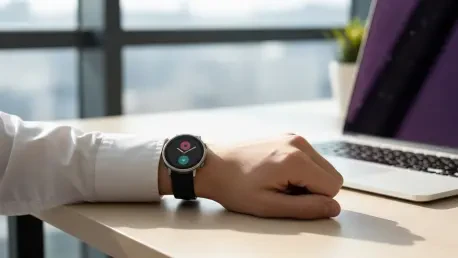

In a market saturated with devices demanding daily charging and complex interactions, a beloved brand from the past reemerged at CES 2026, challenging the very definition of what a modern wearable should be. The unexpected revival of Pebble, with its new Pebble Round 2, represents more than just a nostalgic return; it is a bold statement against the feature-creep and battery anxiety that have come to characterize the smartwatch industry. By championing simplicity, exceptional longevity, and timeless design, this comeback story forces a critical question: has the industry’s relentless pursuit of power and complexity come at the cost of practicality and user experience? The Pebble Round 2, priced at an accessible $199, is not merely a new product but a potential course correction, betting that consumers are ready to embrace a more focused and elegant approach to wearable technology. Its arrival signals a pivotal moment for a market dominated by a few major players, suggesting that a different path forward is not only possible but perhaps long overdue.
A Legacy Reborn from Open-Source Roots
The journey of the Pebble brand is a lesson in resilience, culminating in a revival that few thought possible. After its initial success as a crowdfunded pioneer, the company was acquired by Fitbit and its operations were eventually shut down, seemingly relegating the iconic name to the annals of tech history. However, the brand’s original creator, Eric Migicovsky, has orchestrated a remarkable return under a new entity, Core Devices. This comeback was critically enabled by Google’s strategic decision to release the open-source code for PebbleOS, the operating system that powered the original devices. This move transformed a proprietary system into a community-accessible platform, providing the foundational software needed for a new generation of hardware. Migicovsky’s new venture leverages this open-source framework, allowing the Pebble Round 2 to rise from the ashes not just as a piece of hardware but as a continuation of a user-focused philosophy that many felt was lost in the modern smartwatch race. This narrative of a founder reclaiming a beloved creation underscores a powerful alternative to the typical corporate lifecycle in the tech world.
Beyond the hardware, the Pebble Round 2 offers immediate access to a vast and mature software ecosystem, a significant advantage that sets it apart from other newcomers. Thanks to its foundation in the original PebbleOS, the device is compatible with the thousands of existing apps and watch faces developed by a dedicated community over the years. This instant library provides a level of personalization and functionality that would take a new platform years to build. The smartwatch offers broad compatibility, seamlessly connecting with both Android and iOS devices and ensuring it can serve a wide audience without being locked into a specific mobile platform. This approach stands in stark contrast to the walled-garden strategies employed by major competitors, which often prioritize brand loyalty over user choice. By embracing its history and the community that supported it, Core Devices has ensured that the Pebble Round 2 launches not as a fledgling product but as a fully realized platform with a rich heritage and a clear value proposition from day one.
The Intersection of Classic Design and Modern Functionality
The design philosophy of the Pebble Round 2 is a direct homage to its celebrated predecessor, the 2015 Pebble Time Round, refining a form factor that prioritizes elegance and comfort over aggressive technological aesthetics. The device features a perfectly circular, bezel-less 1.3-inch color e-paper display that extends across the entire front face, creating a seamless and sophisticated look. Despite housing modern components, it maintains a remarkably slim profile at just 8.1mm, making it approximately a third thinner than prominent competitors like the Google Pixel Watch 4. This commitment to a slender, lightweight design ensures it functions as a discreet accessory rather than a bulky piece of tech on the wrist. The watch is offered in three distinct stainless steel frame colors to suit different styles: a versatile Matte Black with a 20mm band, a classic Brushed Silver available with either a 14mm or 20mm band, and a refined Polished Rose Gold with a 14mm band. This focus on premium materials and varied aesthetic choices positions the Pebble Round 2 as a fashion-forward wearable aimed at users who value style as much as substance.
While its design is rooted in classic watchmaking principles, the Pebble Round 2 incorporates a thoughtful blend of modern hardware and user-friendly interaction methods. The smartwatch features a responsive touchscreen for intuitive navigation, which is thoughtfully complemented by four physical buttons along the sides. This hybrid control system offers users tactile, reliable feedback—a feature often missed in touch-only devices, especially for quick actions or use in challenging conditions. Under the hood, the device is equipped with dual microphones, 30-meter water resistance, and essential health-tracking capabilities for monitoring steps and sleep patterns. However, its most compelling technical achievement is its two-week battery life, a figure that dramatically outshines the one-to-two-day standard of its competitors. This exceptional longevity, powered by the low-energy e-paper display, fundamentally changes the user’s relationship with the device, transforming it from a daily charging chore into a reliable, ever-present companion. Core Devices further signaled its innovative direction at CES by also showcasing the Index 01, a smart ring for capturing notes, demonstrating a broader vision for practical, integrated wearables.
A Potential Shift in Market Dynamics
The strategic choices behind the Pebble Round 2’s launch suggested a deliberate effort to redefine value in the smartwatch market. By focusing on core functionalities, an elegant and wearable design, and unprecedented battery life, Core Devices sidestepped a direct feature-for-feature competition with industry giants. Instead, it presented an alternative vision centered on user convenience and aesthetic appeal, all at a competitive price point of $199. The decision to begin shipping in May 2026 positioned it to capture a market segment potentially fatigued by the escalating complexity and cost of mainstream wearables. This approach recognized that not every user needed or wanted a powerful computer on their wrist, complete with cellular connectivity and an app store mirroring their smartphone. The Pebble Round 2 was instead a testament to the idea that a smartwatch could be a beautiful, reliable, and simple extension of one’s digital life—a proposition that proved both refreshing and compelling in a crowded field. The overwhelmingly positive reception at its unveiling indicated that this philosophy resonated deeply with a significant portion of consumers.