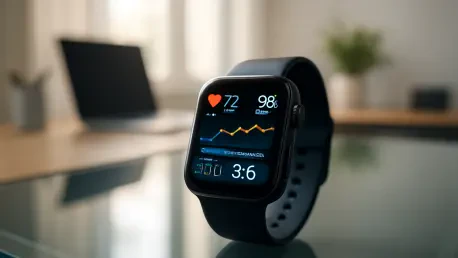

The release of the Google Pixel Watch 5 marks a major turning point for the wearable industry, shifting the focus from basic activity tracking to deep metabolic health management. By moving beyond simple step counts and heart rate monitoring, Google is attempting to provide users with a proactive health guardian that can identify silent physiological changes. This new direction is designed to help millions of people gain a better understanding of how their bodies process energy and manage long-term wellness. The central feature of this launch is the Health Guardian suite, which aims to address the growing crisis of prediabetes in the United States. With over 100 million adults currently living with the condition—many of whom are unaware of it—the watch provides a much-needed early warning system. By tracking trends over time rather than providing one-off measurements, the device helps users recognize when they might need to consult a doctor for formal testing. This evolution in wearable technology represents a fundamental shift from reactive gadgets to predictive health monitors that can potentially alter the course of public health by catching issues before they become chronic conditions.
Transforming Metabolic Health Tracking
The Breakthrough in Insulin Resistance Monitoring
At the heart of the Health Guardian suite is a monthly report that tracks insulin resistance trends without the need for a blood sample. The watch uses a sophisticated AI model to process data from various sensors, including heart rhythm, sleep quality, and skin temperature. By looking at how these metrics interact during daily activities and periods of rest, the device can estimate if a user’s cells are becoming less responsive to insulin, which is a key precursor to type 2 diabetes. This method of non-invasive tracking relies on complex algorithms that detect subtle patterns in the autonomic nervous system. For instance, small variations in heart rate variability during deep sleep can signal metabolic stress that the user might not feel physically. By aggregating this data over several weeks, the watch creates a comprehensive picture of metabolic health that was previously only available through repeated lab work. This allows for a continuous feedback loop where users can see how dietary changes or exercise routines directly influence their metabolic stability over time.
This innovative approach is supported by the WEAR-ME study, a clinical research project published in the journal Nature, which validated the effectiveness of using wearable sensors for metabolic screening. The study involved over a thousand participants and compared wearable data against actual blood biomarkers to ensure the AI model was reliable and scientifically sound. The findings showed a high level of accuracy in predicting insulin resistance, giving the technology a strong foundation of credibility before it reached the consumer market. Researchers discovered that the correlation between peripheral skin temperature shifts and glucose processing was strong enough to form the basis of a predictive model. Despite its scientific roots, Google is careful to categorize this feature as a wellness tool rather than a medical diagnostic device. While the research model used lab results to improve its accuracy, the version on the watch relies solely on the sensors on the wrist. This distinction is important for regulatory reasons, as it ensures users understand the watch is meant for early detection and lifestyle guidance rather than replacing professional medical advice.
Expanding the Metabolic Dashboard
Beyond insulin tracking, the watch provides a broader view of metabolic health through blood pressure trends and sleep breathing quality. The blood pressure feature estimates changes in arterial pressure using pulse wave data, eliminating the need for bulky traditional cuffs for daily monitoring. These updates create a more complete picture of how a user’s cardiovascular and metabolic systems are functioning together throughout the day and night. By analyzing the speed at which blood travels from the heart to the extremities, the watch can detect signs of arterial stiffness, which often accompanies metabolic syndrome. This real-time data allows individuals to see the immediate effects of stress or high-sodium meals on their circulatory system. The integration of these metrics into a single dashboard provides a holistic view of the body’s energy management. When blood pressure data is overlaid with metabolic trends, it becomes easier to identify the systemic triggers that contribute to long-term health decline, empowering users to make more informed choices about their daily habits.
The inclusion of sleep breathing quality adds another layer of depth to the metabolic profile, as poor oxygenation during the night is closely linked to metabolic dysfunction. The watch uses its SpO2 sensors to monitor oxygen saturation levels and detect disruptions that could indicate issues like sleep apnea. Since chronic sleep deprivation and oxygen desaturation can worsen insulin resistance, tracking these patterns is vital for anyone looking to improve their metabolic standing. The device provides a nightly score that summarizes the stability of a user’s breathing, highlighting periods of potential distress. Furthermore, the dashboard offers actionable insights, such as suggesting earlier bedtimes or consistent wake-up intervals based on the user’s metabolic recovery patterns. By connecting the dots between sleep, circulation, and energy processing, the watch moves beyond isolated data points and offers a narrative of the user’s internal health. This level of detail encourages a more proactive approach to wellness, where individuals can address minor fluctuations before they develop into more significant health challenges.
Navigational Accuracy in Urban Environments
Overcoming the Urban Canyon Obstacle
For athletes and city dwellers, the Pixel Watch 5 introduces a massive upgrade to navigation with its cloud-corrected GPS system. Traditional watches often struggle in “urban canyons” where tall buildings block satellite signals or cause them to bounce off glass and metal surfaces. This interference leads to inaccurate distance tracking and messy route maps that can frustrate runners and cyclists trying to monitor their performance. When a signal reflects off a skyscraper, the watch perceives the satellite as being further away than it actually is, leading to a phenomenon known as multipath error. This often results in a jagged path on the map that suggests the athlete was running through walls or zig-zagging across the street. To combat this, Google has implemented a system that cross-references satellite data with known geographical obstacles in real-time. By understanding the environment in which the user is moving, the watch can intelligently filter out distorted signals. This ensures that the tracked distance remains consistent even when navigating the narrowest streets of a major metropolitan area.
Google solves this problem by using a sophisticated three-tier processing system that includes 3D building models from Google Earth to enhance positional accuracy. By identifying which satellite signals are likely to be reflected by nearby structures, the watch can ignore bad data and focus on clear signals that have a direct line of sight. This is combined with atmospheric corrections and server-side processing to reconstruct a highly accurate path that accounts for the unique physics of a city environment. The initial data is gathered on the device, but the heavy lifting of path reconstruction happens in the cloud where more powerful algorithms can analyze the signal noise. This hybrid approach allows for a level of precision that was previously impossible for a standalone wearable device. As a result, the watch can pinpoint a user’s location to within a few meters, even in areas where GPS signals were once considered unreliable. This technological leap is particularly beneficial for competitive athletes who require precise pacing data to manage their training loads and race strategies effectively.
Reconstructing Paths with 3D Modeling
In real-world testing conducted in New York City, the device proved to be significantly more accurate than its closest competitors in the high-end wearable market. While other premium watches occasionally placed runners on the wrong street or inside buildings, the Pixel Watch 5 produced clean, reliable tracks that mirrored the actual path taken. This was achieved through the integration of the Horizon Correction algorithm, which uses the 3D building data to predict signal shadows. By knowing exactly where a building stands, the system can anticipate when a GPS signal will be lost and rely on internal accelerometers and gyroscopes to maintain tracking continuity. This seamless transition between satellite and sensor-based tracking ensures that there are no gaps in the workout data. It is important to note, however, that these specific corrections are applied after the workout is synced, meaning live pacing data during the run still relies on standard on-device processing. This post-processing method ensures that the final map and distance calculations are as close to reality as possible.
The ability to reconstruct a path using historical satellite data and geographical mapping represents a shift in how location services are delivered on small-form hardware. Instead of relying purely on the hardware’s antenna, the system treats GPS as just one of many data streams that contribute to a final location estimate. This holistic approach significantly reduces the margin of error in dense urban environments. Furthermore, the inclusion of local Wi-Fi positioning and cellular tower triangulation helps bridge the gap when satellite visibility is at its lowest. For the average user, this means that tracking a morning run or navigating to a new restaurant becomes a much more reliable experience. The frustration of lost signals and inaccurate mile markers is largely eliminated, making the watch a more dependable tool for daily life. As urban environments continue to grow and become more complex, the need for such sophisticated navigation systems will only increase, making this feature a cornerstone of the device’s long-term utility.
Advancing Wearable Safety Systems
Detecting Respiratory Emergencies
A new safety feature called Breathing Emergency Detection is designed to save lives during acute health crises, such as severe pneumonia or choking. By monitoring oxygen levels and physical responsiveness, the watch can identify when a user has stopped breathing properly and is unable to call for help. This proactive approach turns the watch into a critical safety net that remains active even when the user is incapacitated or unconscious. The system relies on a combination of the SpO2 sensor and the microphone to detect abnormal sounds or a complete lack of airflow. By analyzing the frequency and depth of breaths, the AI can distinguish between normal heavy breathing during exercise and the gasping associated with a medical emergency. This feature is particularly valuable for individuals living alone or those with existing respiratory conditions who may be at a higher risk of sudden failure. The constant monitoring provides peace of mind, knowing that the device is always looking for signs of distress that might otherwise go unnoticed.
The technical implementation of this feature involves a low-power sensing mode that keeps the necessary sensors active without significantly draining the battery. When the watch detects a potential emergency, it follows a strict protocol that includes haptic vibrations, loud alarms, and a countdown to ensure it does not trigger a false alarm. If the user does not dismiss the alert within a specified timeframe, the device automatically contacts emergency services and shares the user’s exact GPS location. This automated response is a major advancement in wearable safety, as it removes the need for the user to be conscious or mobile to get help. Currently, this feature is launching in Europe, as it requires specific regulatory approval in other regions due to the automated nature of the emergency response and the privacy implications of constant microphone monitoring. Google has worked closely with healthcare providers and emergency dispatchers to ensure that the data sent by the watch is formatted in a way that is immediately useful to first responders.
The Protocol for Automated Assistance
The emergency response protocol is designed to be as non-intrusive as possible while still being effective when every second counts for the individual. The initial warning stage uses a unique haptic pattern that is difficult to ignore, followed by an escalating audible tone. This multi-stage alert system is crucial for preventing accidental calls to emergency services during normal activities that might mimic a respiratory event, such as intense snoring or holding one’s breath. If the user is conscious but simply unable to speak, they can confirm the emergency with a simple tap on the screen. This flexibility ensures that the safety system adapts to the specific circumstances of the crisis. Moreover, the watch can be configured to notify designated emergency contacts simultaneously, providing them with the same location data sent to professional responders. This dual notification system ensures that family members are kept in the loop and can potentially reach the user faster if they are nearby.
Implementing such a system on a global scale involves navigating a complex landscape of telecommunications regulations and privacy laws. In the European market, where the feature is debuting, the watch complies with strict data protection standards to ensure that audio data is processed locally and only transmitted during a confirmed emergency. This localized processing is a key part of maintaining user trust, as it prevents the constant recording of private conversations. As the feature expands to other regions, Google will likely need to adapt the software to meet the specific requirements of different emergency dispatch systems. The goal is to create a universal safety standard that can be relied upon regardless of where the user is located. By turning a consumer electronic device into a life-saving tool, Google is pushing the boundaries of what a wearable can be. This focus on safety demonstrates a commitment to providing value that goes beyond mere convenience, potentially saving thousands of lives through early intervention and automated assistance.
Hardware Power and Intelligent Integration
Enhancing Performance with New Internals
To handle these complex health and navigation tasks, Google has significantly upgraded the internal components of the device compared to its predecessors. The new processor and increased memory provide a much smoother user experience, allowing for faster app loading and more responsive interactions across the entire interface. These hardware improvements are essential for supporting the heavy data processing required for real-time sensor fusion and AI-driven health insights that define the Pixel Watch 5. The custom-designed silicon is optimized for power efficiency, ensuring that the advanced background monitoring does not compromise the overall battery life. This balance of power and efficiency allows the watch to remain active throughout the day and night, capturing the continuous data streams necessary for accurate metabolic tracking. Furthermore, the improved thermal management system prevents the watch from overheating during intense workouts or while performing complex calculations, maintaining a consistent performance level even under heavy load.
The watch also features deep integration with Gemini AI, allowing users to control their device and manage their schedule through intuitive voice commands. The “Raise to Talk” feature makes it easier to start workouts, set reminders, or reply to messages without the need to navigate through complex menus. This integration extends to the health features, where Gemini can provide context for the data being gathered, such as explaining what a specific trend in insulin resistance might mean for the user’s daily routine. While some of the most advanced autonomous AI features are still in development, the current integration provides a faster and more intuitive way to interact with the Google ecosystem. The AI can also learn a user’s habits over time, suggesting the best times for exercise or rest based on their physiological state. This level of personalization makes the watch feel less like a tool and more like a dedicated health assistant that understands the unique needs of the individual wearing it.
Refined Design and All-Day Comfort
On the outside, the watch features a brighter display and a more durable build, using 100% recycled aluminum to appeal to environmentally conscious consumers. The display utilizes the latest LTPO technology, which allows for a high refresh rate during interaction and a very low power state when the screen is in always-on mode. This ensures that the watch face is always visible without significantly impacting the battery life. One of the most practical changes is the switch to medical-grade band materials designed to prevent skin irritation during long-term wear. This change directly addresses common complaints from previous generations, ensuring that the watch can be worn comfortably 24/7, which is necessary for accurate long-term health tracking. The clasp and lug system have also been refined to provide a more secure fit, which is crucial for the heart rate and SpO2 sensors to maintain consistent contact with the skin for accurate readings.
The design philosophy focuses on a minimalist aesthetic that fits both professional and casual environments, making it a versatile accessory for any occasion. The watch is available in several different finishes, allowing users to choose a style that best reflects their personal taste. Despite the increase in internal complexity, the device remains slim and lightweight, avoiding the bulkiness often associated with high-end sports watches. This focus on comfort is not just about fashion; it is a functional requirement for a device intended to monitor health around the clock. If a watch is uncomfortable, users are less likely to wear it during sleep, which would lead to significant gaps in their metabolic and respiratory data. By prioritizing wearability, Google ensures that the device can fulfill its role as a continuous health guardian. The combination of premium materials and thoughtful ergonomics makes the Pixel Watch 5 one of the most wearable high-tech devices currently available on the market.
Market Strategy and Consumer Availability
Pricing Tiers and Feature Rollout
The Pixel Watch 5 is positioned as a premium wearable, coming with a slight price increase compared to previous models to reflect the advanced technology integrated into the device. It is available in two sizes to accommodate different wrist types and offers both Wi-Fi and LTE versions to suit the varied connectivity needs of different users. There is even a special edition for sports fans that features unique branding and exclusive watch faces, though the core health and navigation technology remains the same across all versions of the hardware. This pricing strategy reflects the watch’s shift from a simple accessory to a comprehensive health tool. By offering a range of options, Google aims to capture a broad segment of the market, from casual users interested in basic fitness to health-conscious individuals looking for deep physiological insights. The inclusion of LTE connectivity allows for true independence from the smartphone, which is a major selling point for those who prefer to leave their phones behind during workouts or outdoor activities.
While the watch is available for purchase now, consumers should keep in mind that the most advanced health features will be rolled out gradually over the coming months. The cloud-corrected GPS and basic AI tools are available at launch, but the full suite of Health Guardian reports is scheduled for a later software update. This staggered release approach allows Google to refine the algorithms and ensure that the health data provided to users is as accurate and helpful as possible. It also means that the watch will continue to grow in value and capability after the initial purchase, providing a sense of long-term investment for the user. This model of continuous improvement via software updates has become standard in the tech industry, allowing for the deployment of cutting-edge features as soon as they are ready. For the consumer, this means the device they buy today will be even more capable in a year, as more data is collected and the AI models become more sophisticated.
The Evolution of Proactive Health Management
Researchers determined that the next logical step was the integration of these wearable insights into broader clinical pathways to bridge the gap between consumer data and medical intervention. The strategy focused on providing users with a clear path of action when the watch detected a decline in metabolic health markers. By the time the device reached the general public, the development team had already established protocols for how the watch could interface with healthcare providers. This ensured that the data gathered was not just interesting to look at, but actually useful for making medical decisions. The focus remained on empowering the individual to take charge of their wellness through small, sustainable changes in behavior. The success of the initial launch indicated that there was a significant appetite for devices that could provide more than just basic notifications. Users expressed a clear preference for tools that offered a deeper understanding of their internal physiology and long-term health trajectory.
Looking ahead, the team considered the expansion of these features to include more specialized health monitoring, such as early detection of cardiac anomalies or mental health stressors. The lessons learned from the rollout of the insulin resistance tracking provided a roadmap for how to introduce complex health metrics to a non-medical audience. It was recognized that the key to success lay in the balance between technical accuracy and user-friendly interpretation. As the technology matured, the goal was to make these advanced health screenings accessible to everyone, regardless of their medical knowledge. The final iterations of the product design reflected this commitment to clarity and ease of use. By providing a clear, actionable picture of health, the device moved closer to the vision of a truly proactive health guardian. This transition represented a significant milestone in the history of wearable technology, setting a new standard for what these devices could achieve in the pursuit of better public health outcomes.