
Apple markets readiness scores as a flagship hardware feature, yet the biometric data required for these calculations is already present in legacy sensors. While the tech giant emphasizes that the latest processing power is necessary for real-time recovery analysis, the reality is that the core metrics—resting heart rate and heart rate variability—have been recorded by the Apple Watch for several generations. The emergence of readiness scores as a standard health metric has sparked a debate about the necessity of hardware upgrades when the fundamental data remains consistent across different device iterations. For many users, the decision to stick with a legacy device is not just about cost but about the realization that the sensors already on their wrist are more than capable of providing the necessary input for advanced algorithms. This shift in perspective highlights a growing trend where software sophistication, rather than incremental hardware improvements, dictates the overall utility of a wearable device for long-term health tracking. By leveraging the deep well of information already stored within the Health ecosystem, users can unlock deep physiological insights that were once considered exclusive to the newest models.
Bridging the Technological Gap Through Software
The Role of Heart Rate Variability: A Core Metric
Independent developers have stepped in to fill the gap left by manufacturer-imposed limitations, creating applications that synthesize existing health data into cohesive readiness scores. These apps do not require new infrared sensors or faster chips; instead, they leverage the deep well of information already stored within the Apple Health ecosystem. By applying modern data science to heart rate patterns and sleep cycles, these platforms can estimate a user’s physical preparedness with remarkable accuracy. This approach effectively bypasses the traditional upgrade cycle, proving that the value of a smartwatch often lies in how the data is interpreted rather than how it is collected.
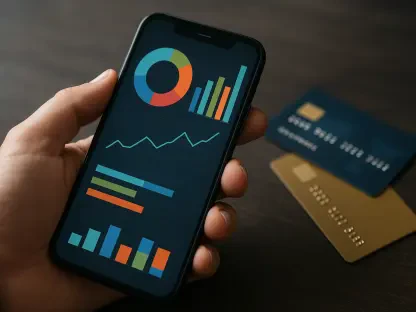
For instance, apps like Bevel focus on three critical dimensions: daily strain, physiological recovery, and sleep quality. By processing Heart Rate Variability (HRV) data through proprietary models, these tools offer a percentage-based recovery score that mirrors the functionality found in the newest hardware. This integration of circadian rhythm analysis further enhances the utility of older devices, allowing them to compete with the most advanced wearables currently on the market. Advanced third-party software takes the raw biometric readings and contextualizes them against historical baselines, ensuring that the readiness score is personalized to the individual’s unique physiology.
Real-Time Performance: Athlete Adaptation Strategies
Specialized applications like Training Today have revolutionized how competitive athletes interact with their older Apple Watch models by introducing real-time Readiness to Train (RTT) scores. This specific metric is designed to fluctuate throughout the day based on active data points, such as recent workouts and cumulative sleep trends. Unlike static scores that are calculated once every morning, these dynamic updates allow users to adjust their training intensity on the fly. The ability to view these metrics directly on the watch face via custom complications ensures that the data is always accessible during a workout session.
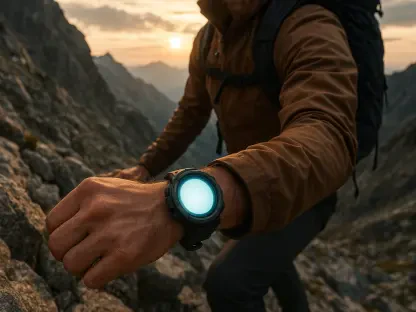
This constant feedback loop is particularly valuable for endurance athletes who must balance high-volume training with adequate recovery to avoid overtraining syndrome. By utilizing the existing optical heart rate sensors to their fullest potential, these apps provide a level of granularity that was previously thought to be exclusive to the latest specialized fitness trackers. The shift toward granular health tracking has introduced the concept of “strain” as a counterpoint to recovery, providing a balanced view of an athlete’s physical state. By comparing cardiovascular stress to recovery capacity, users can determine if they are in a productive training zone or if they are risking injury.
Evaluating Third-Party Solutions for Enhanced Insights
Precision Scoring: Longitudinal Health Trends
Platform-agnostic analysis tools like Athlytic have gained popularity by offering a sleek interface that prioritizes long-term trend visualization over simple daily snapshots. While native features often focus on immediate metrics, these third-party solutions allow users to see how their recovery capacity changes over weeks or months. This longitudinal perspective is essential for identifying patterns, such as how specific dietary habits or stress levels at work impact cardiovascular health. By trending HRV and resting heart rate data, users can determine if their overall fitness is improving or if they are in a state of chronic fatigue.
The use of larger scales for readiness scores, such as the 100-point system employed by apps like Incredible, offers a level of precision that native 10-point systems lack. This granularity allows users to see minor fluctuations in their health that might otherwise go unnoticed, providing a more sensitive measure of how small lifestyle changes affect their body. For example, a user might notice that a slightly earlier bedtime improves their readiness by five points, a distinction that might be lost in a coarser scoring system. These apps often utilize widgets and complications to integrate health data seamlessly into the user’s daily routine, making it easier to stay informed.
Strategic Implementation: Maximizing Device Utility
To fully leverage the potential of an older Apple Watch, users should focus on consistent data collection by wearing the device during sleep and throughout various daily activities. This consistency allowed third-party algorithms to build an accurate baseline, which served as the foundation for any reliable readiness score. Additionally, periodically reviewing the permissions within the health settings ensured that these third-party tools had access to the full range of biometric data required for their calculations. Staying informed about new app releases and software updates remained crucial for anyone looking to maintain a high level of monitoring.
The transition to software-based tracking proved that the longevity of consumer electronics was increasingly tied to the creativity of developers rather than the limitations of physical components. Users who integrated these third-party solutions found that they could achieve a high level of health monitoring without the need for frequent hardware updates. By focusing on software flexibility, fitness enthusiasts successfully extended the utility of their devices while gaining deeper insights into their physiological recovery. Ultimately, the industry shifted toward a model where data interpretation became as valuable as the sensors themselves, allowing legacy hardware to remain relevant.