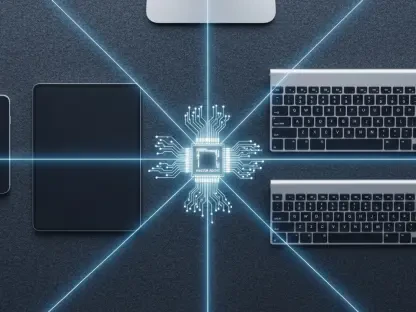

The silent hum of consumer electronics in the modern home often masks a complex network of data collection and proprietary software, leaving users with little control over the technology they own. Yet, nestled within this ecosystem is a credit-card-sized computer that offers a powerful alternative: a device capable of transforming everyday objects into customized, private, and more functional tools that operate entirely on your own terms.
From Classroom Curiosity to DIY Powerhouse
Originally conceived as a low-cost tool to promote computer science education in schools, the Raspberry Pi quickly transcended its academic roots. Its simple design, affordability, and open-source nature captured the imagination of hobbyists, programmers, and tinkerers worldwide. This grassroots adoption fueled its evolution from a classroom curiosity into a foundational component of the do-it-yourself (DIY) and maker communities. The device’s accessibility demystified computing, allowing anyone with a spark of curiosity to build projects that were once the domain of specialized engineers.
The core of the Raspberry Pi’s appeal lies in its unparalleled versatility and minimal financial barrier to entry. For the price of a few streaming service subscriptions, users gain access to a fully functional computer capable of running a wide range of software. This combination empowers individuals to create bespoke solutions tailored to their specific needs, from enhancing home entertainment to bolstering digital security. The vast ecosystem of free, open-source software further lowers the bar, providing robust tools that make even complex tasks manageable for beginners.
This article explores seven distinct yet accessible projects that demonstrate the transformative potential of this miniature powerhouse. Each project repurposes the Raspberry Pi into a dedicated appliance that can add significant value to a household. From reclaiming digital privacy and building an all-in-one entertainment hub to establishing personal data infrastructure, these blueprints illustrate how a tiny computer can give you greater control over your home environment.
Blueprints for a Smarter, More Private Household
Reclaiming Your Digital Privacy and Security
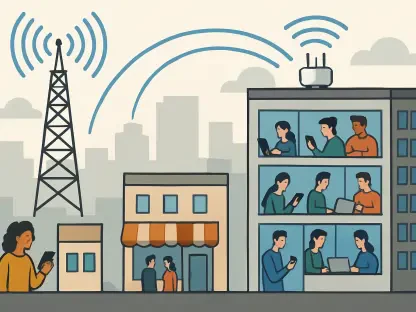
In an online environment saturated with advertisements and trackers, a Raspberry Pi offers a surprisingly potent defense. By installing Pi-hole, an open-source software package, the device can be configured as a network-wide ad-blocker. Unlike browser extensions that only work on a single computer and within a specific application, Pi-hole operates at the network’s DNS level. This means it intercepts and blocks requests to ad-serving domains for every device connected to the home network, including smartphones, tablets, and smart TVs, providing comprehensive protection without needing to install software on each client.
The pervasiveness of online tracking is a well-documented concern, with scripts silently collecting user data across websites and applications to build detailed behavioral profiles. A DIY solution like Pi-hole offers a formidable shield against this practice. By severing the connection to known tracking domains, it significantly reduces a household’s digital footprint and enhances overall privacy. The setup is straightforward, requiring the user to point their router’s DNS settings to the Raspberry Pi’s IP address, effectively creating a protective filter for all outgoing internet traffic.
Furthermore, the proliferation of inexpensive Internet of Things (IoT) cameras has introduced significant security vulnerabilities into many homes. These devices often suffer from weak security protocols and may transmit sensitive video footage to third-party cloud servers, creating potential backdoors for unauthorized access. As a secure alternative, a Raspberry Pi connected to a standard USB webcam can function as a private, self-hosted security camera server. This setup ensures that all video data remains entirely within the local network, giving the user complete ownership and control over their personal security footage and eliminating the risks associated with commercial cloud services.
Crafting an All-in-One Media and Gaming Powerhouse
For enthusiasts of classic video games, a Raspberry Pi can become a portal to the past. Using a software distribution called RetroPie, the device transforms into a versatile retro gaming console capable of emulating a vast library of systems, from early arcade machines and 8-bit consoles to more advanced platforms like the original PlayStation. RetroPie bundles numerous emulators into a single, user-friendly interface, simplifying the process of organizing and launching games. This allows users to consolidate their nostalgia into one compact and energy-efficient package.
Beyond gaming, the Raspberry Pi excels as a Home Theater PC (HTPC), offering a privacy-respecting alternative to modern smart TVs. Many commercial smart TVs are equipped with Automatic Content Recognition (ACR) technology that monitors viewing habits for targeted advertising. By building an HTPC with software like LibreELEC—a lightweight operating system designed exclusively to run the Kodi media center—users can create a powerful and entirely private media hub. This setup can play local media files from a USB drive or stream content from a network storage device, all without the intrusive data collection and advertising common in commercial streaming platforms.
The continuous advancements in Raspberry Pi hardware have significantly expanded its capabilities in the entertainment sphere. Newer models, with their more powerful processors and increased RAM, can handle high-definition video streaming and more demanding emulation tasks with ease. This performance boost ensures a smooth and responsive user experience, making the Raspberry Pi a viable and compelling choice for both a primary media center and a high-performance retro gaming machine, proving that powerful home entertainment does not require sacrificing personal data.
Establishing Your Own Data and Web Infrastructure
Cloud storage services offer convenience, but they come at the cost of data ownership and recurring fees. A Raspberry Pi provides a tangible alternative for those who prefer to maintain local control over their files. By installing OpenMediaVault (OMV), a powerful open-source software solution, the device can be converted into a budget-friendly Network-Attached Storage (NAS) device. This creates a centralized file server on the home network, allowing users to store, manage, and access their documents, photos, and media from any connected device, all without relying on a third-party provider.
For individuals interested in understanding the mechanics of the internet, hosting a personal web server on a Raspberry Pi is an invaluable educational experience. This project allows one to host a personal blog, a family photo gallery, or a private forum directly from home. Due to its low power consumption, the Raspberry Pi is an ideal candidate for an always-on server, running 24/7 without a noticeable impact on electricity costs. Once configured, the website becomes accessible to any device on the local network, offering a hands-on lesson in web infrastructure and content management.
These projects fundamentally challenge the prevailing assumption that cloud services are the default solution for data management and web hosting. Building a personal NAS or web server empowers users with complete ownership of their digital assets and infrastructure. This shift toward local control not only enhances privacy but also fosters a deeper understanding of the technologies that underpin the digital world. It is a practical demonstration that with a small investment in hardware and a willingness to learn, anyone can build a more resilient and independent digital home.
Transforming Everyday Objects into Smart Decor
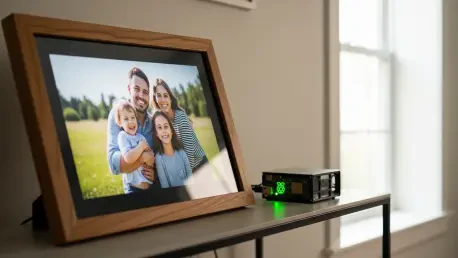
A spare computer monitor or an old television can be given a new lease on life with the help of a Raspberry Pi. One of the most creative and visually appealing projects is building a custom digital photo frame. By connecting the Pi to a display and running a simple slideshow application, users can create a dynamic showcase for their favorite photographs. This setup continuously cycles through a chosen library of images, turning a forgotten piece of hardware into a personalized piece of home decor that brings cherished memories into the living space.
When compared to commercial digital photo frames, which can be costly and often come with restrictive software, the DIY approach offers superior flexibility and cost-effectiveness. Users have complete control over the software, the display size, and the physical frame itself. This allows for a high degree of personalization, from creating custom startup scripts that automate the slideshow to building an ornate wooden frame that seamlessly integrates the monitor into the home’s aesthetic. The project’s cost is minimal, especially if repurposing existing hardware.
This particular project perfectly embodies the creative spirit of the DIY community by blending technology with artistry. It is more than just a functional device; it is an opportunity to craft a unique object that reflects personal style and technical ingenuity. The process of transforming a generic screen into a custom photo frame is a testament to the Raspberry Pi’s ability to serve as a bridge between the digital and physical worlds, empowering users to create technology that is both useful and beautiful.
Your First Steps into the World of DIY Tech
The key takeaway from these diverse applications is the profound versatility of a single Raspberry Pi. This one device can serve numerous, distinct roles within a home, shifting from a privacy guardian one day to an entertainment console the next. Furthermore, older models that may seem obsolete for desktop computing remain highly useful for less intensive tasks like running Pi-hole or a basic NAS, promoting sustainability by extending the life of existing hardware. The success of these projects is largely thanks to the vibrant open-source community, which produces polished software that simplifies otherwise complex setups.
For those new to the ecosystem, starting with a pre-packaged disk image is a highly recommended entry point. Distributions like RetroPie and LibreELEC are designed to be “flashed” onto an SD card, turning the installation process into a simple, straightforward procedure. This approach allows beginners to achieve a fully functional and polished result with minimal technical hurdles, building confidence and providing a solid foundation for more advanced projects in the future.
Choosing the right hardware is also crucial for a successful first build. While any model can be useful, a starter kit often provides the best value, typically including the Raspberry Pi itself, a case, a power supply, and an SD card. For projects involving media streaming or more demanding emulation, opting for a more recent model like the Raspberry Pi 4 or 5 is advisable. A stable power supply is non-negotiable, as insufficient power is a common source of instability and performance issues.
The Future is in Your Hands
The projects outlined here reinforce the overarching theme of empowerment, enabling users to build technology that serves their needs without compromising their privacy. By moving away from closed, commercial ecosystems, individuals can take direct control over their digital lives, deciding for themselves how their data is stored and used. This shift represents a significant step toward a more user-centric model of technology, where the individual, not the corporation, is in command.
The Raspberry Pi’s ongoing importance as a tool for learning, innovation, and technological independence is clear. It provides a platform for experimentation and a practical means of understanding the complex systems that govern the modern world. More than just a piece of hardware, it has become a symbol of the movement to reclaim control from Big Tech, demonstrating that powerful, private, and personalized solutions are within reach for everyone.
Ultimately, the most compelling outcome is the call to action it inspires. Individuals are encouraged to choose a project that resonates with them, repurpose that old hardware collecting dust in a drawer, and begin building a smarter home on their own terms. It is a tangible reminder that the future of home technology does not have to be dictated by others; it is something that can be built, customized, and owned.The silent hum of consumer electronics in the modern home often masks a complex network of data collection and proprietary software, leaving users with little control over the technology they own. Yet, nestled within this ecosystem is a credit-card-sized computer that offers a powerful alternative: a device capable of transforming everyday objects into customized, private, and more functional tools that operate entirely on your own terms.
From Classroom Curiosity to DIY Powerhouse
Originally conceived as a low-cost tool to promote computer science education in schools, the Raspberry Pi quickly transcended its academic roots. Its simple design, affordability, and open-source nature captured the imagination of hobbyists, programmers, and tinkerers worldwide. This grassroots adoption fueled its evolution from a classroom curiosity into a foundational component of the do-it-yourself (DIY) and maker communities. The device’s accessibility demystified computing, allowing anyone with a spark of curiosity to build projects that were once the domain of specialized engineers.
The core of the Raspberry Pi’s appeal lies in its unparalleled versatility and minimal financial barrier to entry. For the price of a few streaming service subscriptions, users gain access to a fully functional computer capable of running a wide range of software. This combination empowers individuals to create bespoke solutions tailored to their specific needs, from enhancing home entertainment to bolstering digital security. The vast ecosystem of free, open-source software further lowers the bar, providing robust tools that make even complex tasks manageable for beginners.
This article explores seven distinct yet accessible projects that demonstrate the transformative potential of this miniature powerhouse. Each project repurposes the Raspberry Pi into a dedicated appliance that can add significant value to a household. From reclaiming digital privacy and building an all-in-one entertainment hub to establishing personal data infrastructure, these blueprints illustrate how a tiny computer can give you greater control over your home environment.
Blueprints for a Smarter, More Private Household
Reclaiming Your Digital Privacy and Security
In an online environment saturated with advertisements and trackers, a Raspberry Pi offers a surprisingly potent defense. By installing Pi-hole, an open-source software package, the device can be configured as a network-wide ad-blocker. Unlike browser extensions that only work on a single computer and within a specific application, Pi-hole operates at the network’s DNS level. This means it intercepts and blocks requests to ad-serving domains for every device connected to the home network, including smartphones, tablets, and smart TVs, providing comprehensive protection without needing to install software on each client.
The pervasiveness of online tracking is a well-documented concern, with scripts silently collecting user data across websites and applications to build detailed behavioral profiles. A DIY solution like Pi-hole offers a formidable shield against this practice. By severing the connection to known tracking domains, it significantly reduces a household’s digital footprint and enhances overall privacy. The setup is straightforward, requiring the user to point their router’s DNS settings to the Raspberry Pi’s IP address, effectively creating a protective filter for all outgoing internet traffic.
Furthermore, the proliferation of inexpensive Internet of Things (IoT) cameras has introduced significant security vulnerabilities into many homes. These devices often suffer from weak security protocols and may transmit sensitive video footage to third-party cloud servers, creating potential backdoors for unauthorized access. As a secure alternative, a Raspberry Pi connected to a standard USB webcam can function as a private, self-hosted security camera server. This setup ensures that all video data remains entirely within the local network, giving the user complete ownership and control over their personal security footage and eliminating the risks associated with commercial cloud services.
Crafting an All-in-One Media and Gaming Powerhouse
For enthusiasts of classic video games, a Raspberry Pi can become a portal to the past. Using a software distribution called RetroPie, the device transforms into a versatile retro gaming console capable of emulating a vast library of systems, from early arcade machines and 8-bit consoles to more advanced platforms like the original PlayStation. RetroPie bundles numerous emulators into a single, user-friendly interface, simplifying the process of organizing and launching games. This allows users to consolidate their nostalgia into one compact and energy-efficient package.
Beyond gaming, the Raspberry Pi excels as a Home Theater PC (HTPC), offering a privacy-respecting alternative to modern smart TVs. Many commercial smart TVs are equipped with Automatic Content Recognition (ACR) technology that monitors viewing habits for targeted advertising. By building an HTPC with software like LibreELEC—a lightweight operating system designed exclusively to run the Kodi media center—users can create a powerful and entirely private media hub. This setup can play local media files from a USB drive or stream content from a network storage device, all without the intrusive data collection and advertising common in commercial streaming platforms.
The continuous advancements in Raspberry Pi hardware have significantly expanded its capabilities in the entertainment sphere. Newer models, with their more powerful processors and increased RAM, can handle high-definition video streaming and more demanding emulation tasks with ease. This performance boost ensures a smooth and responsive user experience, making the Raspberry Pi a viable and compelling choice for both a primary media center and a high-performance retro gaming machine, proving that powerful home entertainment does not require sacrificing personal data.
Establishing Your Own Data and Web Infrastructure
Cloud storage services offer convenience, but they come at the cost of data ownership and recurring fees. A Raspberry Pi provides a tangible alternative for those who prefer to maintain local control over their files. By installing OpenMediaVault (OMV), a powerful open-source software solution, the device can be converted into a budget-friendly Network-Attached Storage (NAS) device. This creates a centralized file server on the home network, allowing users to store, manage, and access their documents, photos, and media from any connected device, all without relying on a third-party provider.
For individuals interested in understanding the mechanics of the internet, hosting a personal web server on a Raspberry Pi is an invaluable educational experience. This project allows one to host a personal blog, a family photo gallery, or a private forum directly from home. Due to its low power consumption, the Raspberry Pi is an ideal candidate for an always-on server, running 24/7 without a noticeable impact on electricity costs. Once configured, the website becomes accessible to any device on the local network, offering a hands-on lesson in web infrastructure and content management.
These projects fundamentally challenge the prevailing assumption that cloud services are the default solution for data management and web hosting. Building a personal NAS or web server empowers users with complete ownership of their digital assets and infrastructure. This shift toward local control not only enhances privacy but also fosters a deeper understanding of the technologies that underpin the digital world. It is a practical demonstration that with a small investment in hardware and a willingness to learn, anyone can build a more resilient and independent digital home.
Transforming Everyday Objects into Smart Decor
A spare computer monitor or an old television can be given a new lease on life with the help of a Raspberry Pi. One of the most creative and visually appealing projects is building a custom digital photo frame. By connecting the Pi to a display and running a simple slideshow application, users can create a dynamic showcase for their favorite photographs. This setup continuously cycles through a chosen library of images, turning a forgotten piece of hardware into a personalized piece of home decor that brings cherished memories into the living space.
When compared to commercial digital photo frames, which can be costly and often come with restrictive software, the DIY approach offers superior flexibility and cost-effectiveness. Users have complete control over the software, the display size, and the physical frame itself. This allows for a high degree of personalization, from creating custom startup scripts that automate the slideshow to building an ornate wooden frame that seamlessly integrates the monitor into the home’s aesthetic. The project’s cost is minimal, especially if repurposing existing hardware.
This particular project perfectly embodies the creative spirit of the DIY community by blending technology with artistry. It is more than just a functional device; it is an opportunity to craft a unique object that reflects personal style and technical ingenuity. The process of transforming a generic screen into a custom photo frame is a testament to the Raspberry Pi’s ability to serve as a bridge between the digital and physical worlds, empowering users to create technology that is both useful and beautiful.
Your First Steps into the World of DIY Tech
The key takeaway from these diverse applications is the profound versatility of a single Raspberry Pi. This one device can serve numerous, distinct roles within a home, shifting from a privacy guardian one day to an entertainment console the next. Furthermore, older models that may seem obsolete for desktop computing remain highly useful for less intensive tasks like running Pi-hole or a basic NAS, promoting sustainability by extending the life of existing hardware. The success of these projects is largely thanks to the vibrant open-source community, which produces polished software that simplifies otherwise complex setups.
For those new to the ecosystem, starting with a pre-packaged disk image is a highly recommended entry point. Distributions like RetroPie and LibreELEC are designed to be “flashed” onto an SD card, turning the installation process into a simple, straightforward procedure. This approach allows beginners to achieve a fully functional and polished result with minimal technical hurdles, building confidence and providing a solid foundation for more advanced projects in the future.
Choosing the right hardware is also crucial for a successful first build. While any model can be useful, a starter kit often provides the best value, typically including the Raspberry Pi itself, a case, a power supply, and an SD card. For projects involving media streaming or more demanding emulation, opting for a more recent model like the Raspberry Pi 4 or 5 is advisable. A stable power supply is non-negotiable, as insufficient power is a common source of instability and performance issues.
The Future is in Your Hands
The projects outlined here reinforce the overarching theme of empowerment, enabling users to build technology that serves their needs without compromising their privacy. By moving away from closed, commercial ecosystems, individuals can take direct control over their digital lives, deciding for themselves how their data is stored and used. This shift represents a significant step toward a more user-centric model of technology, where the individual, not the corporation, is in command.
The Raspberry Pi’s ongoing importance as a tool for learning, innovation, and technological independence is clear. It provides a platform for experimentation and a practical means of understanding the complex systems that govern the modern world. More than just a piece of hardware, it has become a symbol of the movement to reclaim control from Big Tech, demonstrating that powerful, private, and personalized solutions are within reach for everyone.
Ultimately, the most compelling outcome is the call to action it inspires. Individuals are encouraged to choose a project that resonates with them, repurpose that old hardware collecting dust in a drawer, and begin building a smarter home on their own terms. It is a tangible reminder that the future of home technology does not have to be dictated by others; it is something that can be built, customized, and owned.