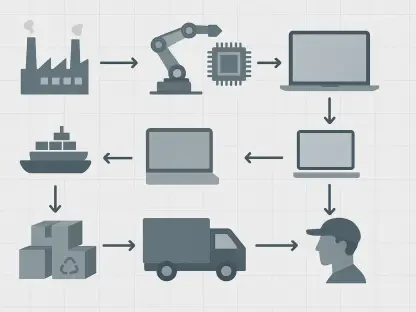

In the highly volatile landscape of global trade, a single missing shipping container or a subtle temperature fluctuation in a pharmaceutical batch can result in millions of dollars in losses and catastrophic disruptions to critical healthcare supply chains. This reality has propelled asset tracking from a secondary logistics requirement into a foundational pillar of the digital ecosystem, where connectivity is no longer a luxury but a baseline for survival. By leveraging sophisticated sensors and cloud-based analytical platforms, modern organizations are now able to monitor the precise location and physical health of goods as they traverse complex international routes. This digital transformation allows companies to move decisively beyond traditional manual checks and periodic audits, creating a transparent environment where high-value equipment and perishable items are constantly accounted for. The transition toward a fully digitized supply chain ensures that physical movement is mirrored in the digital realm, allowing businesses to achieve a level of precision that was previously unattainable in distributed global environments.
As supply chains grow increasingly complex and decentralized, the ability to maintain a continuous, uninterrupted stream of data from physical assets has emerged as a strategic necessity for maintaining operational resilience. This level of visibility acts as a safeguard against unforeseen disruptions, enabling logistics managers to pivot strategies in real time when delays occur or environmental conditions deviate from the norm. The integration of Internet of Things (IoT) technologies ensures that every touchpoint in the journey of a product is documented, providing a granular view of the entire lifecycle of an asset. Consequently, the modernization of tracking systems does more than just prevent loss; it optimizes the entire flow of commerce by providing the insights needed to refine inventory management and enhance overall service delivery. By digitizing the physical movement of goods, enterprises are fundamentally transforming their operational models to meet the demands of an era defined by rapid fluctuations and the constant need for data-driven accountability.
Technical Framework: The Layers of Connected Asset Architecture
The true power of modern tracking systems lies in a sophisticated three-layer architecture that seamlessly integrates the edge, the network, and the cloud into a unified operational stream. At the edge, intelligent hardware tags are attached directly to assets, utilizing a suite of sensors to monitor critical variables such as temperature, humidity, vibration, and precise geographical coordinates. Rather than acting as simple beacons, these modern devices often utilize edge computing to process information locally, which allows them to filter out irrelevant data points and only transmit alerts when specific predefined thresholds are breached. This localized intelligence is vital for preserving battery life and reducing the costs associated with high-bandwidth data transmission, ensuring that a device can remain functional for the duration of a long-haul voyage. By performing initial analysis on the device itself, the system becomes more efficient, focusing the attention of human operators only on the events that require immediate intervention or strategic decision-making.
Selecting the appropriate connectivity standard within this architectural framework is the next critical step for ensuring that data remains accessible throughout the journey of the asset. Organizations must carefully navigate a diverse landscape of communication technologies, choosing solutions like Global Navigation Satellite Systems (GNSS) for outdoor accuracy or Cellular IoT for broad wide-area coverage across international borders. For indoor environments where satellite signals often fail to penetrate, solutions such as Bluetooth Low Energy (BLE) or Ultra-Wideband (UWB) provide the centimeter-level precision required to locate specific items within massive automated warehouses or manufacturing floors. This diverse range of communication standards ensures that assets stay connected regardless of their specific environment, whether they are deep inside a shipping vessel or moving through a suburban distribution center. The synergy between these different connectivity layers allows for a seamless transition as goods move from one mode of transport to another, maintaining the digital thread without interruption.
Industrial Impact: Driving Strategic Value Through Data
The inherent versatility of connected tracking systems allows them to address unique and often high-stakes pain points across a wide spectrum of industrial sectors. In the logistics and pharmaceutical industries, IoT is absolutely essential for maintaining the integrity of the cold chain, where products like vaccines or specialized chemicals must remain within strict temperature ranges to stay effective. Beyond simple location monitoring, these systems provide a continuous record of environmental conditions, allowing companies to prove compliance with safety regulations and avoid the waste associated with spoiled inventory. Similarly, in the healthcare sector, real-time location systems (RTLS) empower medical staff to find critical equipment like ventilators or infusion pumps instantly, which significantly improves patient outcomes by reducing search times during emergencies. This application of technology demonstrates how real-time data directly translates into operational efficiency and the preservation of high-value resources in time-sensitive environments.
Beyond the immediate benefits of location tracking, these technologies provide a wealth of longitudinal data that allows organizations to shift from a reactive to a proactive management style. By analyzing the usage patterns of expensive machinery over time, manufacturers can implement lean practices and improve asset utilization rates, ensuring that capital-intensive equipment never sits idle due to poor scheduling. This data-driven approach reduces the historical reliance on safety stock, as managers gain higher confidence in their real-time inventory levels and the estimated arrival times of incoming components. Furthermore, the persistent digital audit trail created by these systems is invaluable for meeting the stringent compliance requirements of highly regulated industries such as aerospace and heavy manufacturing. By turning physical assets into data-generating nodes, businesses can identify bottlenecks in their workflows and make informed adjustments that drive long-term profitability and sustainable growth in a competitive global market.
Implementation Strategy: Navigating Challenges and Future Innovations
Despite the clear operational benefits, the successful implementation of large-scale tracking systems requires a careful management of the Tracking Trilemma, which involves balancing location accuracy, battery longevity, and hardware cost. High-frequency updates provide the best precision for fast-moving goods, but they drain power quickly, creating a significant engineering challenge for assets that must remain in the field for years without maintenance. To address this, organizations are increasingly looking toward hybrid systems that adjust their reporting frequency based on the movement of the asset, effectively conserving energy when the item is stationary. Additionally, integrating this influx of real-time data into legacy enterprise resource planning (ERP) systems requires a robust software management strategy to ensure that the information is accessible and actionable for all stakeholders. Solving these technical hurdles is essential for scaling a deployment from a few dozen trial units to a fleet of thousands of interconnected devices across a global network.
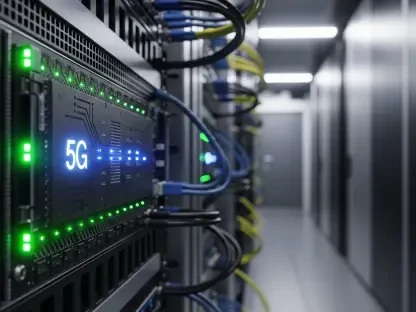
Looking toward the immediate horizon, the integration of 5G connectivity and expanded satellite IoT constellations is set to eliminate the remaining coverage gaps in remote maritime and rural areas. Innovations in energy harvesting, where devices power themselves using ambient light, kinetic motion, or thermal gradients, are becoming more practical, potentially solving the battery life problem for the next generation of hardware. As these technologies mature and undergo further standardization, the strategic focus for modern enterprises shifted from the basic feasibility of tracking to the optimization of the tools used to gain a competitive edge. Decision-makers who prioritized the creation of interoperable systems and invested in robust data security protocols successfully navigated the transition into this more transparent era of logistics. The final step for many was the adoption of edge-based artificial intelligence, which allowed devices to recognize and report complex patterns of behavior without human oversight, thereby cementing the role of automated tracking as a permanent fixture of global commerce.