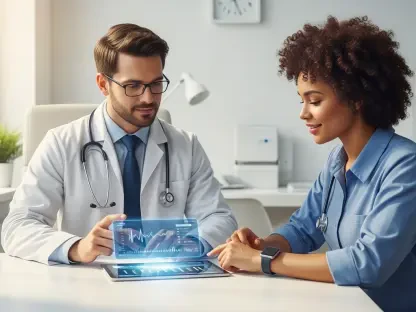

The traditional model of neurological care is undergoing a profound transformation as the healthcare industry moves away from episodic clinical assessments toward a more continuous and data-driven paradigm. Historically, practitioners were forced to rely on snapshots of a patient’s health captured during infrequent office visits, which often failed to represent the nuances of chronic conditions. In 2026, the widespread availability of sophisticated consumer-grade sensors has enabled a shift toward real-time monitoring that captures physiological data in the natural environment of the patient. This transition is crucial because it mitigates the common issues of recall bias and the “white coat effect,” where symptoms might be masked or exaggerated in a clinical setting. By providing a longitudinal view of metrics such as heart rate variability and physical activity, these devices offer a granular perspective on functional status. This shift marks a significant milestone in brain health management, where data-informed decisions replace the guesswork of the past.
Transforming Diagnostic Detection: A Proactive Approach
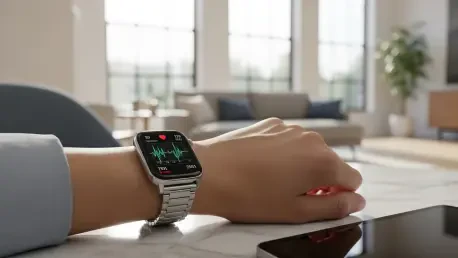
Modern smartwatches and specialized biosensors have become essential tools in the early detection of cardiovascular complications that directly impact neurological outcomes, specifically regarding stroke prevention. By integrating multi-lead electrocardiogram sensors into everyday devices, manufacturers have empowered users to identify irregularities like atrial fibrillation before they lead to catastrophic events. While the American Academy of Neurology emphasizes that these consumer devices are not a replacement for clinical-grade diagnostics, they function as an effective early-warning system. When a device flags a rhythmic abnormality, it provides the necessary impetus for a patient to seek professional verification through traditional medical channels. This synergy between consumer tech and clinical practice allows for the identification of high-risk individuals who might otherwise remain asymptomatic until a stroke occurs. Building on this foundation, the medical community can now prioritize high-risk cases with much greater precision.
In the specialized field of epilepsy management, wearables are fundamentally changing how clinicians track and respond to seizure activity by replacing subjective diaries with objective data. Utilizing advanced accelerometers and complex biosensors, these devices can detect specific movement patterns and physiological shifts associated with ictal events in real time. This capability is particularly transformative for patients who experience nocturnal seizures or those who have difficulty remembering the frequency and duration of their episodes. When this data is integrated into digital health platforms, it enables a level of precision neurology that was previously impossible, allowing for the tailoring of medication schedules to the specific temporal patterns of an individual’s condition. By providing an accurate record of seizure burden, these tools help physicians refine treatment plans more rapidly. This objective monitoring reduces the uncertainty that often accompanies epilepsy, giving patients a greater sense of agency over their daily lives.
Enhancing Quality of Life: Specialized Monitoring Solutions
Sleep neurology is another area where the rapid advancement of sensor technology is providing significant clinical value outside of the traditional laboratory setting. Although laboratory-based polysomnography remains the gold standard for definitive diagnosis, consumer wearables utilizing photoplethysmography offer a cost-effective way to monitor sleep architecture over long periods. These tools allow clinicians to track trends in sleep duration and stages, providing insights into how chronic conditions like insomnia or sleep apnea fluctuate over months rather than a single night. Despite the hurdles presented by proprietary algorithms and data privacy concerns, the ability to observe a patient’s rest patterns in their own bed provides a more authentic representation of their neurological health. This information is vital because poor sleep quality is often a precursor to or a symptom of various neurological declines. Continuous monitoring helps identify these correlations early, facilitating interventions that can improve a patient’s cognitive function.
For individuals suffering from chronic migraines and tension-type headaches, wearables provide a non-pharmacological pathway to symptom relief through the application of real-time biofeedback. Specialized devices that monitor muscle tension, skin temperature, and heart rate variability allow patients to visualize their physiological response to stress as it happens. By identifying these physiological markers before a headache fully escalates, patients can implement behavioral modifications and relaxation techniques to mitigate the severity of the episode. This proactive approach empowers the individual to address environmental and internal triggers early, potentially reducing their reliance on acute medications. The data generated by these devices also helps clinicians understand the relationship between a patient’s lifestyle and their headache frequency, leading to more personalized and effective management strategies. This shift toward self-regulation represents a major advancement in the holistic treatment of chronic pain disorders within the field of neurology.
Navigating the Implementation: Challenges and Next Steps
The integration of wearable technology into standard neurological practice is not without its complexities, as the constant stream of data can sometimes lead to unintended psychological consequences for the patient. A primary concern for clinicians in 2026 is the rise of wearable-induced anxiety, where users become overly fixated on their health metrics, leading to unnecessary stress or a surge in consultations for benign fluctuations. Furthermore, the reliance on patient-generated health data requires a high degree of digital literacy and can be skewed by improper device usage. Clinicians must take an active role in educating patients on the limitations of their devices, ensuring that data is interpreted within the correct medical context. Addressing these psychological barriers is essential to ensure that the technology remains a helpful tool rather than a source of distress. To maximize the utility of these tools, the medical community should focus on developing standardized protocols for data interpretation that minimize the risk of false positives.
Looking toward the future of neurological care, the primary objective must be to ensure that the benefits of the digital health revolution are distributed equitably across all socioeconomic populations. The high cost of advanced wearables creates a risk of widening existing health disparities, where only affluent patients have access to continuous monitoring and the improved outcomes it provides. Medical institutions and regulatory bodies should prioritize the oversight of these technologies to ensure data privacy and the accuracy of algorithms across diverse demographics. Moving forward, the synthesis of machine learning and refined sensor design will likely lead to even more sophisticated predictive capabilities. To capitalize on these advancements, healthcare providers were encouraged to adopt a collaborative approach that involves constant communication between technologists and patients. By focusing on accessibility and robust clinical validation, the neurological community successfully transformed these digital tools into a foundational element of modern brain health maintenance.