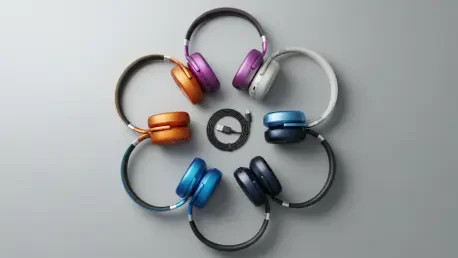

The long-awaited arrival of the second-generation AirPods Max signifies a pivotal shift in the premium over-ear headphone market, blending computational audio advancements with refined hardware to address the evolving needs of high-fidelity enthusiasts. Apple has officially unveiled this successor to its high-end lineup, marking the first major update since the original debut several years ago. At the core of this evolution lies the ## chip, a powerful processor that enables 1.5 times more effective Active Noise Cancellation compared to the original model. This leap in processing power facilitates the new Adaptive Audio mode, which dynamically balances transparency and noise cancellation based on the user’s immediate surroundings. The hardware is available in a fresh palette including midnight, starlight, orange, purple, and blue, reflecting a modern aesthetic that complements its technical prowess. By focusing on these core computational improvements, the manufacturer successfully addressed the primary criticisms of the first generation while maintaining the luxury appeal of the brand.
Advanced Audio Precision and Digital Connectivity
Technical improvements in this second iteration focused heavily on the nuances of sound reproduction and professional communication. The inclusion of a high-dynamic-range amplifier ensured that listeners experienced cleaner audio across the entire frequency spectrum, which was particularly noticeable when utilizing the enhanced Spatial Audio features. This technology offered superior localization of instruments, creating a more immersive soundstage that felt expansive rather than compressed within the earcups. For professionals, the device introduced a dedicated voice isolation feature and improved microphone arrays designed to filter out ambient chatter during calls or recordings. The most significant physical change was the adoption of a USB-C port, which finally enabled 24-bit, 48 kHz lossless audio through a wired connection. This change signaled a departure from older standards, providing a modern interface that integrated seamlessly with the latest laptops and tablets while offering the high-fidelity throughput that serious listeners had long requested.
Intelligent Utility and Long-Term Hearing Health
The integration of utility-focused software further distinguished the device as a versatile tool for both productivity and personal well-being. Features such as Live Translation provided real-time language support, while the Digital Crown’s new role as a Camera Remote allowed users to trigger shutters on their mobile devices from a distance. Beyond these conveniences, the hardware prioritized hearing health through a sophisticated Loud Sound Reduction system. This feature worked by minimizing the impact of sudden, harsh environmental noises without altering the tonal balance of the music being played. As the product reached global markets in over thirty regions following the March preorders, it became clear that the focus had shifted toward a more holistic user experience. Potential users were advised to consider how these multipurpose tools could replace several standalone gadgets in their daily routines. This strategic blend of computational intelligence and hardware flexibility ultimately defined the next era of high-end personal audio equipment for the modern consumer.