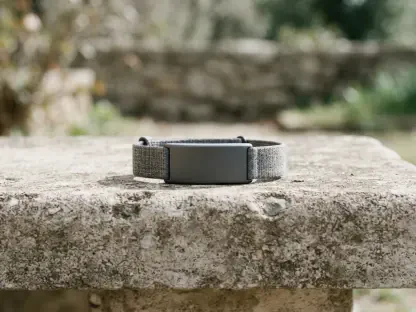

Apple’s extensive patent filings suggest a shift toward finger-worn interfaces that prioritize a lightweight design and sophisticated technological integration. This strategic pivot marks a significant evolution from the wrist-bound dominance that has defined the wearables market for more than a decade. By relocating the primary hub of digital interaction to the finger, the technology giant aims to reduce the friction between the virtual and physical worlds, offering a more discreet and intuitive way to manage an increasingly complex digital existence. The potential for such a device extends far beyond basic health notifications; it represents a fundamental rethinking of how users provide input to their surrounding environments. For many consumers, the weight and high visibility of a traditional smartwatch remain significant barriers to consistent usage, particularly during formal events or while resting. A ring-based solution elegantly addresses these aesthetic and comfort concerns while simultaneously leveraging the high dexterity of the human hand to enable nuanced control schemes that were previously impossible through larger, more cumbersome hardware formats.
Advanced Integration: The Future of Gesture Interaction
The shift toward a finger-based interface is particularly significant for the rapid expansion of spatial computing and augmented reality environments. While existing headsets often utilize external cameras for hand tracking, these systems frequently struggle with occlusion or low-light conditions, leading to inconsistent performance that breaks user immersion. A dedicated smart ring provides a constant, localized stream of telemetry data, allowing for high-precision manipulation of virtual objects without the need for heavy gloves or handheld controllers. Users might find themselves adjusting audio volume with a simple circular motion of their index finger or flicking through digital documents with subtle taps that are nearly invisible to onlookers. This level of granularity in gesture recognition transforms the wearer into a conductor of their digital orchestra, moving away from the blunt force of modern touchscreens toward a more refined and naturalistic input method that feels like a seamless extension of human intent and physical movement.
Moreover, the implementation of pressure-sensitive surfaces on the ring’s exterior enables a multilayered interaction model that goes well beyond simple taps or swipes. By differentiating between a light press and a firm squeeze, the device can provide contextual commands based on the specific application currently active on a paired iPhone or Mac. For instance, a light tap might pause a track on AirPods, while a sustained squeeze could trigger a system-wide focus mode or silence an incoming call across the entire ecosystem. This hardware sophistication allows the ring to serve as a silent commander, bridging the gap between mobile devices and the user’s immediate physical surroundings. The inclusion of high-fidelity haptic feedback further enhances this experience, providing tactile confirmation of digital actions without requiring the user to glance at a screen. This tactile language creates a loop of communication that is both efficient and private, ensuring that the wearer remains present in their environment while maintaining full control.
Seamless Interconnectivity: Redefining Health and Security
In the realm of personal wellness, the smart ring presents an ideal solution for continuous health monitoring without the physical bulk of traditional fitness trackers. The skin on the finger is exceptionally rich with blood vessels, making it a prime location for capturing high-fidelity biometric readings such as heart rate variability and blood oxygen saturation. By placing advanced sensors closer to the skin’s surface in a secure, stable fit, the device can capture data that is significantly more accurate during high-intensity movement or various deep sleep cycles. This capability is especially valuable for the demographic that finds wearing a watch to bed uncomfortable or disruptive to their natural rest patterns. As the industry moves from 2026 to 2028, the integration of specialized thermal sensors could provide even earlier indicators of illness or subtle changes in metabolic states. The ring thus becomes a silent guardian, gathering critical health metrics in the background and syncing them to the cloud for long-term analysis.
The strategic introduction of this finger-worn device suggests a future where authentication and digital security are handled through mere proximity rather than cumbersome passwords. By utilizing the ring as a secure token for biometric verification, users are able to unlock their desktop computers or authorize encrypted transactions simply by bringing their hand near a localized sensor. This level of integration effectively eliminates the friction points that previously slowed down complex digital workflows, making every interaction feel almost instantaneous and remarkably secure. For developers, the rise of such hardware necessitates a pivot toward designing minimalist applications that prioritize glanceable information and gesture-first navigation. Businesses are encouraged to rethink their customer interaction points, considering how hands-free navigation might change the retail or hospitality experience for the better. Ultimately, the successful deployment of the ring signals that the next frontier of personal technology is not about larger screens, but about making the technology itself disappear into the user’s daily habits.