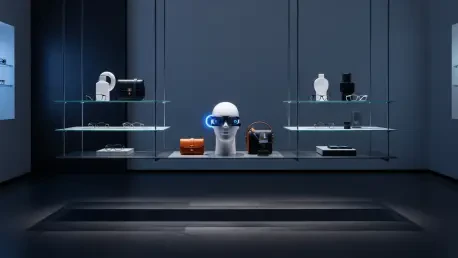

Recent sightings at the Prada Fall/Winter 2026 fashion show in Milan have ignited intense speculation regarding a potential blockbuster collaboration between the social media giant Meta and the legendary Italian luxury house Prada. Mark Zuckerberg was observed occupying a prominent seat in the front row alongside Lorenzo Bertelli, Prada’s chief merchandising officer, suggesting that the relationship between these two industry titans has progressed far beyond casual acquaintance or mutual professional admiration. This high-profile appearance comes at a critical juncture for wearable technology, as the industry seeks to move beyond utilitarian designs toward products that possess genuine aesthetic appeal for the fashion-conscious consumer. The rumor mill has been churning with reports that the two companies are currently co-developing a sophisticated line of AI-integrated smart glasses that would combine Meta’s cutting-edge software capabilities with the timeless elegance and prestige associated with the Prada brand. This potential union signals a broader trend in which technology is no longer viewed as a mere tool but as an essential element of personal style. By bridging the gap between Silicon Valley and the high-fashion runways of Europe, Meta aims to solidify its dominance in the burgeoning augmented reality market while Prada secures its position as a digital pioneer.
The Strategic Foundation: Bridging Technology and High Fashion
The logistical foundation for this rumored partnership appears increasingly solid following the recent ten-year licensing renewal between EssilorLuxottica and Prada, which provides a clear manufacturing pathway for Meta’s hardware aspirations. As Meta’s primary hardware partner, EssilorLuxottica already manages the production of the highly successful Ray-Ban Meta collection, and extending this expertise to a luxury brand like Prada represents a natural evolution of their current business model. This existing infrastructure allows Meta to bypass many of the traditional manufacturing hurdles associated with creating high-end eyewear, focusing instead on the deep integration of its Meta AI ecosystem into the premium frames. The collaboration is expected to leverage Prada’s signature design language, potentially incorporating iconic materials like Saffiano leather accents or the house’s distinctive minimalist aesthetic to distinguish the product from more mainstream offerings. Industry analysts suggest that by utilizing established luxury supply chains, the partnership can maintain the exclusivity and high price points necessary to appeal to the ultra-premium market segment. Such a move effectively transforms a piece of wearable hardware into a coveted status symbol, ensuring that the technology remains secondary to the overall fashion statement made by the wearer.
Building on the momentum of previous wearable releases, Meta is clearly pivoting toward a strategy that prioritizes consumer desire over pure technical specifications. While earlier iterations of smart glasses were often criticized for being bulky or aesthetically unappealing, the massive success of the Ray-Ban and Oakley smart frames in late 2025 proved that consumers are willing to embrace cameras and microphones on their faces if the brand name carries sufficient cultural weight. A Prada-branded device would likely target a demographic that values artisanal quality and brand heritage as much as digital functionality, providing Meta with access to a wealth of high-net-worth individuals who may have previously shunned tech-heavy accessories. This approach allows the technology to permeate the luxury market in a subtle way, where the inclusion of an AI assistant becomes a standard feature of a high-end lifestyle rather than an experimental gimmick. Furthermore, the partnership reflects a shift in how luxury brands perceive digital innovation, moving from a position of cautious observation to active participation in the hardware space. By aligning with Meta, Prada is not merely licensing its name but is helping to define the future of how humans interact with the digital world through the lens of sophisticated, high-end design.
Technical Innovation: Integrating Artificial Intelligence Into Luxury
Functionally, these rumored smart glasses are expected to house a suite of advanced features that go well check beyond the capabilities of current consumer models, focusing heavily on seamless AI integration. Reports suggest the inclusion of ultra-discreet microphones and speakers that utilize bone conduction or directed audio to ensure the wearer remains connected to a personalized AI assistant without compromising the privacy of those nearby. This assistant would likely offer real-time language translation, contextual object recognition, and high-fidelity audio summaries of incoming notifications, all processed through Meta’s latest large language models. The challenge for the design team involves housing these components within the slim, elegant profiles that Prada is known for, requiring significant breakthroughs in miniaturization and thermal management to prevent the frames from becoming uncomfortable during extended use. To maintain the luxury appeal, the hardware must be virtually invisible to the naked eye, allowing the user to benefit from augmented reality features without the social friction often associated with more conspicuous headsets. If successful, this integration will represent a new standard for functional elegance, where the digital and physical worlds merge without the need for cumbersome screens or obvious camera lenses.
However, the transition of these devices into the luxury mainstream brings a complex set of ethical and privacy-related challenges that both companies must navigate with extreme care. As cameras and sensors become even more integrated into stylish, everyday eyewear, concerns regarding public surveillance and unauthorized data collection are likely to intensify. Critics have already pointed out that the more fashion-forward these glasses become, the harder it will be for the general public to identify when they are being recorded or analyzed by an AI system. To address these issues, the collaboration will likely need to implement highly visible physical indicators, such as bright LED lights, and transparent data-handling policies that reassure both the wearer and the public. Success in the luxury market depends heavily on brand trust, and any perceived breach of privacy could inflict lasting damage on the reputation of both Meta and Prada. Consequently, the development process must prioritize the implementation of “privacy by design” principles, ensuring that the sophisticated AI features operate within a framework of strict user consent and data security. Balancing the desire for a sleek, uninterrupted aesthetic with the technical necessity of privacy alerts remains one of the most significant hurdles the engineering teams will face during the production cycle.
Implementation Strategies: Actionable Steps for the Luxury Market
The successful rollout of this partnership required a paradigm shift in how luxury retailers managed their digital and physical storefronts to accommodate advanced hardware. Companies looking to follow this model should have invested in specialized staff training, ensuring that sales associates in boutiques were as proficient in troubleshooting AI software as they were in describing the craftsmanship of high-end materials. By creating a hybrid shopping experience, brands could have demystified the technology for traditional luxury clients, offering personalized setup sessions and curated digital experiences that demonstrated the value of the AI assistant in a high-fashion context. This hands-on approach likely mitigated initial skepticism among older demographics and fostered a sense of exclusivity around the product’s technological capabilities. Furthermore, the integration of bespoke software skins that reflected the brand’s visual identity provided a cohesive user experience that felt distinct from generic consumer electronics. This level of customization ensured that the digital interface was as much a part of the luxury brand experience as the physical frames themselves, reinforcing the perception of the glasses as a unified, high-end product.
In the future, stakeholders in the wearable space must focus on establishing industry-wide standards for privacy and data transparency to maintain public confidence in increasingly inconspicuous devices. It was essential for early adopters like Meta and Prada to take a leadership role in advocating for clear regulations that protected individual privacy while allowing for technical innovation to thrive. Moving forward, the industry should prioritize the development of open-source privacy protocols and physical hardware switches that give users absolute control over their device’s sensors. Additionally, brands must consider the long-term lifecycle of these products, offering hardware upgrade programs that allowed customers to keep their luxury frames while updating the internal processors and batteries. This approach addressed the inherent conflict between the rapid obsolescence of technology and the enduring value of luxury goods. By focusing on sustainability and long-term utility, the luxury tech sector can avoid the pitfalls of disposable electronics and create a more responsible path for the integration of AI into our daily lives. The ultimate takeaway from this collaboration was that the marriage of tech and fashion required a commitment to ethical design that matched the ambition of the engineering itself.