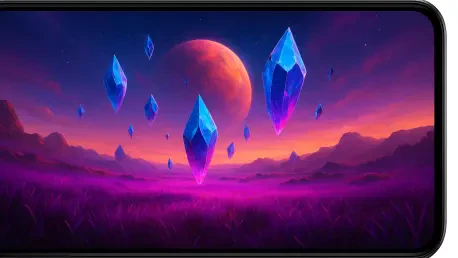

The ability of an iPhone 11 to process the seamless planetary transitions and complex mathematics of No Man’s Sky suggests a new era of accessibility for premium gaming. This milestone serves as the centerpiece for Apple’s Indie Games Week, a curated initiative designed to spotlight the ingenuity and creative risks taken by independent development studios across the globe. By leveraging the immense reach of the App Store, the event aims to provide a platform for titles that challenge traditional gameplay conventions, offering unique artistic and narrative experiences that might otherwise be overshadowed by massive corporate marketing budgets. Carson Oliver, a key executive in App Store operations, emphasized that the initiative celebrates games that push the boundaries of technology and storytelling. This strategic focus highlights the impressive evolution of Apple’s proprietary silicon, which has moved beyond simple utility to become a powerhouse for high-fidelity gaming. The initiative effectively bridges the gap between niche projects and a massive audience.
The Technical Evolution: Efficiency and Reach
The official release of the mobile port of No Man’s Sky on October 28 represents a significant achievement in software engineering and hardware optimization. Developed by Hello Games, the title is renowned for its vast, procedurally generated universe, which requires immense mathematical calculations to generate diverse environments on the fly. Bringing this resource-intensive experience to a handheld format was once considered impossible, yet the developers have successfully scaled the engine to run on older hardware such as the iPhone 11 and the third-generation iPad Air. By optimizing the Metal API, they ensured that the transition from deep space to a planet’s surface remains fluid, preserving the hallmark visual identity of the franchise. Additionally, the entire game universe has been condensed into a storage footprint of less than five gigabytes, an impressive feat that ensures accessibility for users with limited device space. This achievement demonstrates that software efficiency can overcome hardware limitations.
The journey toward this release began with a internal belief within Hello Games that their custom engine could be adapted for ARM-based architectures following the success of the Mac port. Sean Murray and his team observed that the performance of earlier desktop versions provided a roadmap for what could be achieved on mobile platforms by 2026. This release represents a significant technical milestone because it proves that high-end gaming scope is no longer tethered to a desk or a power outlet. The development process involved a rigorous reassessment of how shaders and lighting are handled on mobile screens to maintain the vibrant aesthetic and atmosphere of the game. It also highlights a strategic shift in how developers approach the Apple ecosystem, viewing the iPhone and iPad not as secondary markets but as primary targets for high-end ports. This transition is facilitated by the unified architecture of Apple’s silicon, which allows for a smoother porting process from macOS to mobile, effectively doubling the potential reach of a single development cycle.
Designing for Interaction: Touch and Peripherals
Adapting a game with dozens of intricate menus and complex flight controls for a touchscreen required a complete fundamental redesign of the user experience. The development team at Hello Games focused on creating a touch-first interface that prioritizes intuitive gestures without cluttering the screen with virtual buttons. For example, resource gathering and inventory management have been streamlined to feel more natural on glass, using drag-and-drop mechanics that take advantage of the iPad’s large surface area and high-fidelity touch sensors. This overhaul ensures that the learning curve for new players remains manageable while still providing the depth that returning veterans expect from the title. The result is a user interface that feels native to the device rather than a cramped version of its PC counterpart. By centering the experience around the unique affordances of mobile hardware, the developers have managed to preserve the sense of wonder and exploration that is central to the game’s identity.
While the touch interface is the primary focus, the game remains highly versatile by offering full support for external hardware, including popular game controllers and even mouse-and-keyboard setups on the iPad. This flexibility is crucial for players who wish to engage with the game’s more demanding survival mechanics or participate in long-distance space travel where precision is paramount. Furthermore, the inclusion of TV casting features allows users to transition their experience from a handheld screen to a larger display, effectively turning the iPhone into a portable console. This approach aligns with the modern trend of platform-agnostic gaming, where the player chooses the input method that best suits their current environment. By supporting a wide array of peripherals, Hello Games has ensured that the mobile port does not feel like a compromised version of the original experience, but rather a flexible alternative that caters to different playing styles and specific ergonomic needs.
Expanding the App Store Ecosystem: Featured Indie Titles
The martial arts action title Sifu serves as another flagship example of how challenging gameplay can be successfully adapted for mobile audiences during Indie Games Week. Known for its unforgiving combat and the unique mechanic where the protagonist ages after every defeat, the game requires high levels of precision and timing. To maintain this fluid movement on mobile, the developers at Sloclap implemented a revamped camera system that better tracks action on smaller displays, along with precision-tuned touch controls that minimize input lag. This focus on responsiveness is vital for a game where a single mistimed parry can lead to a significant penalty. The port demonstrates that even games built around twitch reflexes can thrive on mobile if the developers are willing to invest in platform-specific optimizations. By bringing Sifu to the App Store, Apple is signaling to the gaming community that it is a viable platform for high-skill titles that demand the utmost performance.
The diversity of the Indie Games Week lineup is further showcased by titles like Vampire Crawlers and Dome Keeper, which represent the strategic and roguelite genres. Vampire Crawlers offers a tactical, card-based interpretation of the bullet heaven genre, prioritizing decision-making and build-crafting over pure physical speed. Meanwhile, Dome Keeper challenges players to balance resource management with frantic defensive combat against alien waves, a loop that fits perfectly into the pick-up-and-play nature of mobile gaming. Other titles, such as the narrative-heavy Yes, Your Grace 2: Snowfall and the tactical 9 Kings, provide a variety of experiences ranging from emotional storytelling to deep strategic planning. These inclusions prove that the independent scene is not limited to a single style of play, but is instead a vibrant landscape of innovation. This variety ensures that every type of gamer can find something that resonates with them, further establishing the App Store as a destination for high-quality software.
Strategic Industry Impact: A New Standard
The strategic consensus following these releases is that the gap between mobile and traditional gaming platforms has effectively closed during the current year. Apple’s focus on democratizing high-end gaming by ensuring compatibility with older devices like the iPhone 11 suggests that software optimization has become the critical frontier for the industry. This approach expands the potential market for premium games beyond the early adopter demographic, allowing developers to reach millions of users who may not own the latest flagship hardware. By providing editorial spotlights and dedicated guides for Mac-compatible indie games, Apple is positioning its ecosystem as a primary destination for daring artistic visions and technical experimentation. This strategy benefits not only the developers, who gain access to a massive and engaged audience, but also the consumers, who now have access to a library of titles that were once locked behind expensive hardware barriers.
The launch of these ambitious titles marked a pivotal moment for the mobile industry, proving that complex, high-fidelity experiences could thrive on handheld devices without losing their core identity. The strategic decision to prioritize accessibility ensured that a wide range of users could participate in these galactic adventures and martial arts challenges. Moving forward, the success of this initiative suggested that the universal nature of modern game development will continue to provide a blueprint for studios aiming to maximize their audience across hardware boundaries. For independent developers, the immediate next step involved leveraging these optimization techniques to ensure their artistic visions remained uncompromised by hardware limitations. This evolution ensured that the mobile device in a user’s pocket was no longer viewed as a secondary platform, but as a primary tool for experiencing world-class entertainment across various genres and styles.