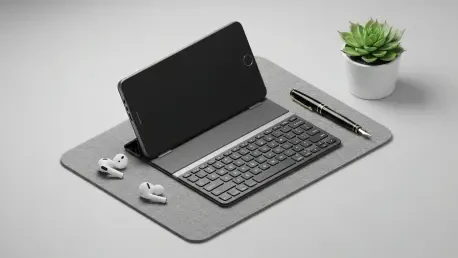

Modern digital landscapes are increasingly defined by an unending barrage of notifications that fragment human attention and diminish the capacity for deep work or meaningful social interaction. As a response to this pervasive issue, the Minimal Phone has emerged as a specialized tool designed to bridge the gap between high-tech functionality and a distraction-free lifestyle. Priced at approximately $399, this device targets a niche but growing audience that prioritizes essential communication over the mindless scrolling and media consumption typical of traditional smartphones. By integrating a 4.3-inch E Ink e-paper display with a physical QWERTY keyboard, the hardware evokes a sense of nostalgia for classic professional devices while addressing contemporary concerns regarding screen addiction. The goal is not to return to a primitive era of technology, but rather to introduce a deliberate level of friction that discourages passive consumption while maintaining the utility required for professional life.
Technical Foundations: The Utility of Intentional Friction
The centerpiece of the hardware design is the monochrome E Ink display, which utilizes a 600 by 800-pixel resolution to provide a high-contrast reading experience that remains perfectly visible even under direct sunlight. Unlike the high-refresh-rate OLED panels found on flagship devices, this e-paper technology operates with a significant delay between frame transitions, making it fundamentally unsuited for video playback or fast-paced gaming. This inherent limitation serves as a psychological barrier, stripping away the dopamine-driven visual flair of modern applications and leaving only the core information behind. With a pixel density of 230 PPI, text remains sharp and legible, ensuring that reading emails, long-form articles, or navigation instructions is comfortable for the eyes over extended periods. This intentional choice of display technology transforms the smartphone from an entertainment hub into a dedicated productivity tool that respects the cognitive limits of the user.
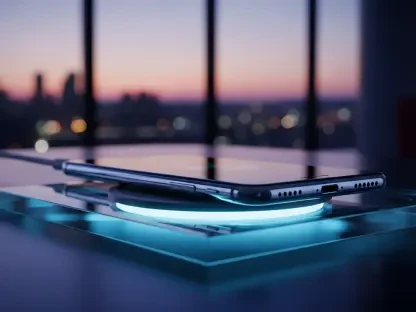
Supporting the unique display is a hardware configuration that balances efficiency with necessary modern standards to ensure the device remains a reliable daily companion. Under the hood, the device is powered by a MediaTek MT6769 processor paired with 6 GB of RAM and 128 GB of internal storage, providing more than enough overhead for a text-based operating system. While the internal components are surprisingly robust for a monochrome device, the connectivity is restricted to 4G LTE to further discourage data-heavy background activities that could lead to distraction. Despite these constraints, the phone does not sacrifice modern conveniences, featuring NFC for contactless payments, Wi-Fi 5 for stable home connectivity, and 15W Qi wireless charging for ease of use. This combination of “slow” display technology and “fast” internal processing ensures that while the user is not distracted by flashy visuals, the device itself remains responsive and capable of handling essential tasks.
Software Ecosystem: Balancing Access and Minimalism
Unlike many basic “dumb phones” that lack the infrastructure for modern life, the Minimal Phone runs a highly customized version of Android 14 with full access to the Google Play Store. This strategic inclusion allows users to retain vital applications for banking, ride-sharing, and encrypted messaging platforms like WhatsApp or Signal, which are often non-negotiable requirements in contemporary society. To prevent the clutter of the standard Android interface, the device utilizes a proprietary Minimal Launcher that replaces colorful icons and widgets with a clean, text-only list of functions. This software layer forces users to be intentional with every interaction, as there are no vibrant notification badges or auto-playing previews to catch the eye. The resulting experience is one where the phone acts as a passive assistant that only provides value when summoned, rather than an active attention-seeker that demands constant engagement from its owner.
Despite the strengths of the software concept, the physical implementation and multimedia performance reveal the inevitable compromises of such a specialized niche product. The chassis is constructed from a lightweight plastic that, while making the device easy to carry, lacks the premium density associated with high-end mobile hardware and is particularly prone to visible fingerprint smudges. Photography is another area where the device struggles, as the 16 MP rear camera produces grainy images with inconsistent exposure levels, while the 5 MP selfie camera is placed awkwardly near the keyboard. Furthermore, the E Ink screen suffers from ghosting, where remnants of previous images remain visible until a full screen refresh is triggered, which can be jarring for those accustomed to fluid displays. These limitations emphasize that the device is a tool for communication and productivity rather than a versatile media powerhouse, demanding a shift in user expectations and habits.
Strategic Implementation: Pathways Toward Digital Wellness
The emergence of focus-oriented hardware demonstrated that a segment of the population sought a more balanced relationship with mobile technology through intentional hardware constraints. Users who successfully integrated these devices into their routines often treated them as primary communication hubs while relegating media consumption to larger, stationary screens. This shift allowed for a significant reduction in daily screen time and a measurable increase in focus during work hours, as the physical keyboard facilitated rapid, accurate typing for professional tasks without the distractions of the broader internet. The adoption process required a clear assessment of which applications were truly essential for daily life versus those that served as mere time-fillers. By prioritizing tools for navigation, scheduling, and direct messaging, individuals reclaimed hours of their day that were previously lost to the algorithmic loops of modern social media.
Moving forward, the success of such devices suggested that the future of mobile technology might lie in modularity or highly specialized secondary ecosystems rather than all-in-one solutions. For those looking to adopt a similar lifestyle, the most effective strategy involved using the Minimal Phone as a primary driver during the workweek while keeping a traditional smartphone for photography or travel-heavy weekends. Manufacturers were encouraged to refine the build quality of focus-oriented devices, perhaps incorporating more durable materials like magnesium or recycled aluminum to match the professional nature of the software. The key takeaway from this technological movement was that productivity was not achieved by having more features, but by having the right features in a format that respected human attention. Future iterations will likely focus on improving E Ink refresh rates and camera software to reduce the friction of essential tasks without compromising the core mission of digital minimalism.