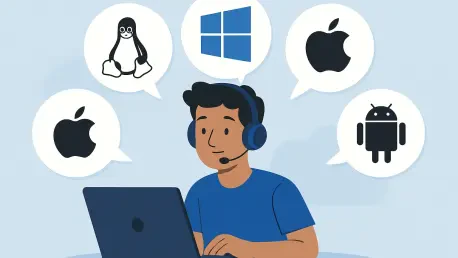

The digital landscape is perpetually shedding its old skin, and even the most foundational operating systems eventually face the inevitable twilight of their operational life, compelling a significant evolution for both the creators of software and its end-users. This process, once a behind-the-scenes technical adjustment, has now stepped into the mainstream. Dropping support for legacy operating systems is no longer a niche decision but a critical strategy for maintaining security, fostering innovation, and allocating resources efficiently within the modern digital ecosystem. This analysis will examine the data driving this trend, explore real-world case studies like Surfshark’s recent policy shift, incorporate expert insights on the matter, and consider the future implications for the industry and its consumers.
The Growing Momentum of Sunsetting Old Systems
Data and Adoption Metrics
The momentum to sunset older systems is heavily supported by clear data trends. The user base for obsolete operating systems, such as Android 5.0 (Lollipop), has dwindled to a minuscule fraction of the global market. As users naturally upgrade their hardware over time, the percentage of active devices running these decade-old platforms shrinks, making the case for continued support economically and practically unviable for most software companies.
This shift in user distribution directly influences how development resources are allocated. Industry reports consistently show that the cost of maintaining backward compatibility is substantial, contributing significantly to what engineers call “technical debt.” This debt refers to the implied cost of rework caused by choosing an easy solution now instead of using a better approach that would take longer. By ending support for aging systems, companies can redirect these valuable engineering hours away from patching old code and toward building innovative features for the modern platforms used by the vast majority of their customers.
Furthermore, security vulnerability statistics provide the most compelling argument for this trend. Outdated operating systems are notoriously susceptible to security breaches because they no longer receive critical security patches from their original creators. Data consistently links a higher incidence of malware infections and data theft to devices running unsupported software, reinforcing the fact that ending legacy support is a primary driver for creating a safer digital environment for everyone.
Real-World Applications and Case Studies
A prominent and recent example of this trend in action is Surfshark’s decision to cease updates for its Android 5.0 application. The virtual private network provider formally announced that to receive official app support and the latest updates, users must be running Android 6.0 or a newer version. This move effectively categorizes older devices as legacy hardware that will miss out on crucial security enhancements and new functionalities.
Surfshark’s rationale for this decision aligns perfectly with the broader industry movement. The company stated the change was necessary to “ensure the safety of our apps,” “accelerate the development and testing of new features,” and “strengthen overall application security.” By focusing exclusively on modern platforms, the development team can operate more efficiently and deploy more robust security measures that are simply incompatible with older technology.
This practice is not isolated to the VPN industry. Major software providers across banking, communication, and productivity sectors have made similar moves. Many are implementing advanced features like post-quantum encryption to safeguard against future threats, but these sophisticated cryptographic standards often rely on modern system kernels and libraries that legacy operating systems cannot support. Consequently, ending support for older OS versions becomes a prerequisite for innovation.
Expert Commentary on the End of Life Cycle
Cybersecurity professionals consistently emphasize the inherent risks of running modern applications on unpatched, unsupported operating systems. They argue that even the most advanced security tool can be undermined by the foundational weaknesses of an old OS. Such a setup provides a false sense of safety, as an attacker can often bypass the application’s security by exploiting a known, unpatched vulnerability in the operating system itself.
From the developer’s standpoint, maintaining code for aging platforms presents a significant dilemma. Software engineers and development leads describe it as a process that stifles innovation, as they must constantly create workarounds for outdated APIs and deprecated features. This not only slows down the release of new functionalities but also dramatically complicates the testing process, increasing the likelihood of bugs and performance issues for all users.
Tech strategists view proactive end-of-life planning as a key component of a forward-thinking business strategy. Moves like Surfshark’s, which includes support for the as-yet-unreleased Android 16, are seen as a powerful statement of future-proofing. By anticipating the technological horizon and making disciplined decisions about what to leave behind, companies can maintain a competitive edge, deliver a more secure product, and build trust with their customer base.
Future Outlook: Balancing Innovation and Inclusion
The prevailing trend suggests that software support windows will continue to shorten, compelling consumers into more frequent hardware and software update cycles. This new standard is driven by the rapid pace of technological advancement and the escalating sophistication of cyber threats, making long-term support for any single version of an OS increasingly impractical.
This acceleration offers clear benefits, including a more secure digital environment for the overwhelming majority of users, a faster rollout of cutting-edge features, and more stable, high-performance applications. However, it also presents significant challenges. There is a tangible risk of digital exclusion for users who are unable to afford new hardware, contributing to a growing digital divide. This trend also raises environmental concerns related to increased electronic waste as functional devices are rendered obsolete.
To counteract these negative impacts, the concept of “responsible offboarding” is gaining traction. Companies can mitigate the fallout by providing customers with clear, advanced warnings and transparent transition plans. Offering alternative solutions, as Surfshark did by detailing manual connection methods via WireGuard, OpenVPN, and router configurations, empowers users on legacy hardware to maintain access to essential services. This approach balances the need for progress with a commitment to user inclusion.
Conclusion: Moving Forward in a Modern OS Landscape
The analysis showed that ending legacy OS support has become an essential, data-backed trend. It was driven by undeniable security needs, the high cost of maintaining outdated code, and an industry-wide push for rapid innovation. This strategic shift was not merely a technical decision but a reflection of the tech industry’s maturation, where prioritizing the security and experience of the many has begun to outweigh the challenge of maintaining compatibility for the few. The move toward transparent end-of-life policies and the user’s recognition of their role in maintaining up-to-date systems are fundamental practices for ensuring a safer digital future for all.