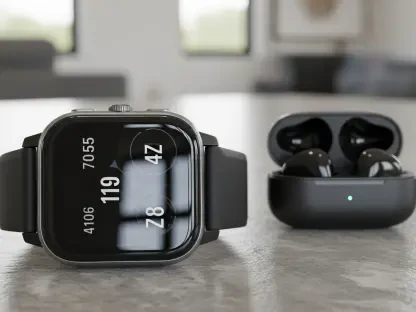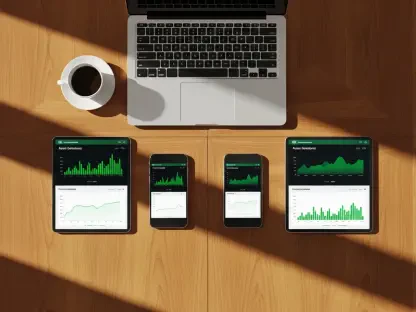

The small device strapped to millions of wrists around the globe is quietly collecting a staggering amount of personal health data, creating a continuous physiological narrative that was once the exclusive domain of clinical research. This evolution from a simple timekeeper and notification device into a sophisticated health monitor has fundamentally changed how individuals interact with and understand their own well-being. It offers the potential to move from reactive healthcare, where problems are addressed after symptoms appear, to a proactive model where subtle, early warning signs can be identified and acted upon long before they become critical issues. The implications are profound, turning everyday technology into a personal guardian.
Beyond the Glass The Science Powering Your Insights
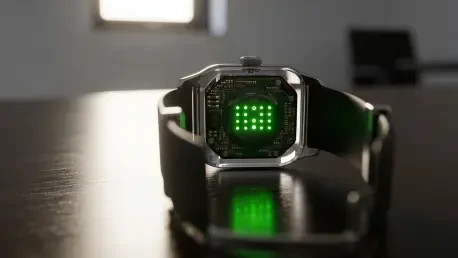
Beneath the polished exterior of the Apple Watch lies a complex array of advanced sensors working in unison to paint a detailed picture of your body’s internal state. The primary optical heart sensor employs a method called photoplethysmography, using green and infrared LEDs to flash light hundreds of times per second against the skin. This light reflects off the blood flowing through the wrist, and the sensor measures the changes in light absorption to calculate heart rate and rhythm. This is complemented by an accelerometer that tracks movement and electrodes that enable electrocardiogram (ECG) readings, all feeding data into sophisticated algorithms.
The true power of this system, however, is not in any single measurement but in the analysis of trends over extended periods. A momentary spike in heart rate could be caused by anything from climbing a flight of stairs to watching an exciting movie. The watch’s software is designed to differentiate between these normal fluctuations and persistent irregularities that may signal an underlying health concern. This focus on long-term patterns allows the device to provide more meaningful and contextually aware insights, a capability that has been significantly enhanced with recent updates like the hypertension notification feature introduced in watchOS 26, which analyzes data over weeks to detect subtle signs of elevated blood pressure.
Decoding Your Night More Than Just Hours Slept
For years, sleep tracking was a simple measure of duration, but the Apple Watch now provides a far more granular view of what happens after the lights go out. By analyzing heart rate variability, respiratory rate, and subtle movements, the device estimates the time spent in each critical sleep stage: light, deep, and REM. Understanding this breakdown is crucial, as each stage serves a distinct restorative purpose, from physical repair during deep sleep to memory consolidation during REM. A person may sleep for eight hours but wake up feeling unrested if they are not spending adequate time in these deeper, more rejuvenating stages.
To make this complex data more accessible, the platform introduced a simplified sleep score. This single metric distills sleep quality into an easily understandable number, combining factors like total sleep duration, consistency in sleep schedule, and the frequency of interruptions. This score provides immediate feedback, allowing users to see how lifestyle choices, such as a late-night meal or evening exercise, directly impact their restorative rest. Furthermore, the watch has become a potential lifesaver by passively analyzing breathing patterns to detect irregularities consistent with sleep apnea, a common but often undiagnosed condition that can have serious long-term health consequences.
A Guardian for Your Heart
The heart health capabilities of the Apple Watch represent one of its most significant contributions to personal wellness. The integrated ECG app allows users to capture a medical-grade electrocardiogram on demand, directly from their wrist. By simply placing a finger on the Digital Crown for 30 seconds, a user can record the heart’s electrical signals at the very moment they experience symptoms like a rapid or skipped heartbeat. This transforms vague, subjective feelings into a concrete, shareable PDF for a physician, providing actionable data that can be critical for diagnosing conditions like atrial fibrillation (AFib).
A groundbreaking addition is the hypertension notification feature, which addresses a silent but widespread global health crisis. Affecting an estimated 1.3 billion people, hypertension often presents no symptoms until significant damage has occurred. The watch leverages its optical heart sensor to monitor how blood vessels respond to the pressure waves created by each heartbeat. Over a 30-day period, if the algorithm detects patterns indicative of sustained high blood pressure, it proactively sends a notification. This early warning system empowers individuals to seek medical advice and make lifestyle changes before the condition escalates into a more severe cardiovascular event.
Your Personal Vitals Dashboard
Beyond heart and sleep metrics, the Apple Watch serves as a centralized dashboard for a range of other important vital signs. The blood oxygen sensor measures SpO2, the percentage of oxygen carried by red blood cells, which is a key indicator of respiratory and circulatory health. While a healthy individual’s level typically sits between 95% and 100%, this metric is particularly valuable for athletes training at altitude or for individuals with conditions like asthma or COPD, who can use it to monitor for concerning drops in oxygenation.
Simultaneously, the device passively tracks respiratory rate, counting the number of breaths taken per minute. This often-overlooked vital sign can be a subtle but powerful indicator of overall wellness. An elevated resting respiratory rate might signal the onset of an illness, heightened stress levels, or changes in cardiovascular fitness. Similarly, wrist temperature sensing provides another layer of insight. While not a replacement for a clinical thermometer, it tracks baseline temperature trends during sleep, with significant deviations potentially indicating fever, an impending illness, or hormonal cycle changes.
Beyond Vitals A Comprehensive Fitness Partner
The Apple Watch excels as a comprehensive fitness tracker, designed to motivate and guide users toward a more active lifestyle. Its most recognizable feature is the Activity Ring system, a visually intuitive and gamified approach to daily wellness. The three rings—Move, Exercise, and Stand—encourage a balanced routine that incorporates not just intense workouts but also consistent, low-level movement and reduced sedentary time throughout the day. This holistic model promotes sustainable habits over sporadic bursts of activity.
For those engaged in more structured training, the device offers advanced metrics to optimize performance and prevent overexertion. The Training Load feature measures the cumulative cardiovascular effect of workouts over time, helping athletes understand the intensity of their regimen and when to prioritize recovery. VO2 max, a measure of cardiorespiratory fitness, is tracked to show how the body’s ability to use oxygen improves with consistent exercise. During workouts, real-time heart rate monitoring allows for precise intensity adjustments, ensuring that training is both effective and safe.
From Wearable to Trustworthy The Real-World Impact
The transition from a simple wearable to a trusted health companion required a practical approach to setup and data interpretation. Activating the device’s key health features is managed through the Health app on a paired iPhone, where users can grant permissions and customize notifications. However, access to the most advanced functions is dependent on the hardware. For instance, the on-demand ECG app is available on Series 4 and newer models, while blood oxygen monitoring requires a Series 6 or later. The latest innovations, including hypertension notifications and the detailed sleep score, are optimized for the most recent generations of the device.
Understanding the distinction between its functions is crucial for users. The Apple Watch is a powerful monitoring tool, not a diagnostic one; its purpose is to surface potential issues for review by a healthcare professional. Users often have questions about its practical use, such as its effect on battery life. While continuous tracking is energy-intensive, most models are designed to last a full day, with nightly charging being a common routine. It is also important to differentiate between passive background monitoring, like the continuous heart rate tracking that identifies trends, and an active reading, like an ECG, which captures a specific moment in time when a user initiates the test. This combination of passive and active monitoring provides a comprehensive yet user-friendly health overview.
The journey of the Apple Watch from a fashionable accessory to an indispensable health tool illustrated a significant shift in personal technology. It provided millions with unprecedented access to their own biometric data, fostering a deeper understanding of the intricate connections between lifestyle, activity, and overall health. By turning complex physiological signals into clear, actionable insights, it empowered individuals to take a more proactive role in their well-being, transforming the relationship between people and their health from one of passive observation to active participation.