
The once-ubiquitous sight of a neon-colored pipe labyrinth or a floating 3D starfield has transitioned from a nostalgic memory of early personal computing into a sophisticated tool for modern digital preservation. While the rhythmic bounce of a DVD logo once defined idle hours, these iconic animations largely faded as monitor technology advanced toward more stable displays. Many users assumed screensavers were a mere quirk of the 1990s, yet recent shifts in hardware engineering and digital privacy have pulled them back from the brink of extinction. Far from being a relic of the past, the moving image is once again becoming a vital guardian for the high-end hardware on a desk and the sensitive data within a drive.
This resurgence is not merely a sentimental nod to retro computing but a pragmatic response to the physical vulnerabilities of the latest display standards. As technology moves toward more vibrant but delicate materials, the idle screen provides a layer of protection that static images simply cannot offer in a modern workspace. This shift marks a significant return to form where software must once again step in to mitigate the physical limitations of the hardware it serves. Understanding this comeback requires a look at how the digital landscape changed while the fundamental need for protection remained.
From Flying Toasters: High-Tech Necessity
In the early decades of personal computing, the screensaver was a critical maintenance tool rather than a decorative choice. This necessity was born from the limitations of Cathode Ray Tube monitors, which operated by firing electron beams at a phosphor-coated glass screen. If a static image remained on the screen for too long, the phosphors would wear out unevenly, leaving a permanent, ghostly “burned-in” image on the glass. Iconic animations like the 3D maze or flying toasters served the functional purpose of ensuring no single pixel remained static, thereby extending the lifespan of expensive equipment.
As the industry moved toward Liquid Crystal Displays in the mid-2000s, the threat of burn-in appeared to vanish, leading to a long period where screensavers were viewed as unnecessary energy consumers. These newer panels did not rely on glowing phosphors, making the moving images of the past feel like an obsolete tradition. However, the current era has seen a reversal of this trend as premium display technologies reintroduce old hardware risks in new forms. The transition from purely functional to aesthetic, and back to functional, illustrates how software evolution often mirrors hardware cycles.
The Technological Pendulum: Why Screensavers Matter Again
The arrival of Organic Light-Emitting Diode screens has brought the burn-in paradox back to the forefront of the tech industry. Unlike standard LCDs, OLEDs use self-emissive organic compounds that emit their own light and degrade based on usage intensity. Because these materials have a finite lifespan, today’s high-end professional monitors and 4K televisions are surprisingly as vulnerable as the heavy monitors of thirty years ago. A static taskbar or a news ticker left on an OLED screen for an extended period can cause permanent ghosting, making motion-based idle screens a critical line of defense for expensive hardware.
Beyond hardware preservation, the modern screensaver acts as an essential indicator of a system’s operational state. For the underlying operating system, the activation of an idle screen serves as a flag that signals the user is away, allowing the machine to redirect processing power to intensive background tasks. Deep antivirus scans, system backups, and cloud synchronization often occur during these intervals to prevent lagging during active workflows. This creates a balance where the computer performs its most demanding maintenance while the screen remains protected by fluid, high-definition motion.
The Drivers: Modern Screensaver Revival
Commercial and ambient utility have also fueled this revival, transforming the idle screen into a secondary information hub or a digital art piece. Devices such as the Amazon Fire TV or Google Chromecast utilize idle time to showcase high-definition photography or targeted notifications, ensuring that a blank screen never goes to waste. This approach turns a dormant television into a dynamic part of home decor, blending functionality with aesthetic appeal. Consequently, the screensaver has evolved from a simple pixel-shifter into a curated experience that provides value even when the user is not actively engaged.
Furthermore, the rise of remote and hybrid work has shifted how users perceive their digital environment during breaks. Instead of a harsh black screen that signifies a “shutdown” or “off” state, a well-designed screensaver maintains a sense of “readiness” in the workspace. This psychological bridge keeps the user connected to their digital station without the wear and tear of a static desktop. Moreover, modern software now allows for highly customizable idle states that can display real-time weather, stock tickers, or personal galleries, making the transition between work and rest more fluid.
Security and Privacy: Expert Perspectives
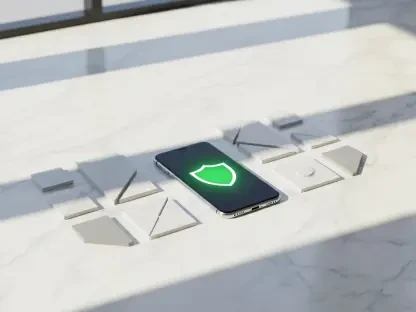
In a world where data privacy is paramount, the screensaver has transitioned from a physical protector to a digital gatekeeper. Cybersecurity professionals frequently recommend short screensaver timeouts paired with mandatory password prompts to prevent unauthorized access in open-office environments. This “dead man’s switch” ensures that the moment a user walks away from their station, the session is effectively hidden and locked. Rather than being a visual distraction, the screensaver serves as a deliberate boundary between an active session and a secured machine.
Experts note that this layer of security is particularly effective against “shoulder surfing” and casual data theft in public spaces like cafes or shared offices. When a screensaver activates, it immediately obscures sensitive spreadsheets, private communications, or proprietary code from prying eyes. This automated privacy feature is far more reliable than expecting a user to manually lock their screen every time they step away for a brief moment. Thus, the modern implementation of the idle screen has become a standard protocol in corporate security frameworks.
Optimization Strategies: Productivity and Longevity
The effective implementation of an idle screen strategy depended on the specific hardware and security needs of the user. For those utilizing OLED displays, the selection of animations with high movement and varied color palettes was essential to ensure even wear across all organic pixels. It was discovered that avoiding screensavers with static elements, such as fixed clocks or icons, provided the best protection against permanent image retention. This approach preserved the vibrance and accuracy of professional-grade screens over years of continuous operation.
Security-conscious professionals integrated these visual tools into their broader defense strategies by configuring immediate password locks upon activation. It was also found that setting resource-heavy software to run exclusively during these idle periods maximized overall system performance during work hours. By the end of this period, the screensaver was no longer viewed as a nostalgic relic but was recognized as a multifaceted tool that harmonized hardware safety with digital security. These practices ensured that the modern computer remained a protected, efficient, and private workspace.