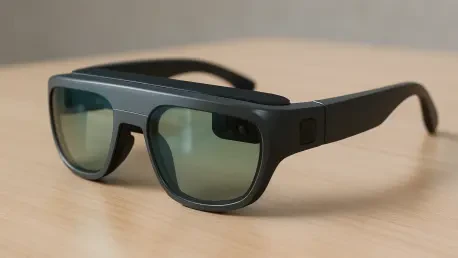

The sudden ubiquity of augmented reality eyewear on city streets signifies a monumental shift from experimental hardware to an essential component of the modern consumer’s digital wardrobe. While previous years were defined by bulky prototypes and limited developer kits, the current market landscape reflects a sophisticated convergence of fashion-forward design and high-performance spatial computing. Major technology conglomerates are no longer merely competing on technical specifications but are instead battling for dominance in lifestyle integration and daily utility. This transition is characterized by a move away from tethered systems toward standalone, lightweight frames that can track eye movement, interpret hand gestures, and overlay contextual information onto the physical world with near-zero latency. As production scales and costs decrease, the barrier to entry has dropped significantly, allowing a broader demographic to transition from traditional smartphones to hands-free, heads-up displays that redefine how individuals interact with their surroundings.
Corporate Reorganization and Supply Chain Mastery
Strategic maneuvers within corporate hierarchies are currently dictating the pace of innovation, as evidenced by Snap Inc.’s decision to isolate its hardware development. By spinning off the Spectacles division into an independent entity, the company has effectively bypassed the bureaucratic hurdles of its social media parent, allowing for more aggressive R&D and specialized external investment. This structural independence enables the new unit to iterate on waveguide optics and battery efficiency at a much faster cadence than its competitors. Meanwhile, Meta has encountered the harsh realities of global demand, facing significant supply chain bottlenecks that have hampered the international release of its latest display-enabled glasses. The domestic market has absorbed the initial production runs, leaving global consumers waiting for a ramp-up in manufacturing capacity. This scenario highlights that success in the current era depends less on software superiority and far more on the ability to secure rare earth materials and precision manufacturing slots within a congested global logistics network.
The logistical challenges of 2026 have forced firms to rethink their long-term procurement strategies to avoid the pitfalls of component shortages that plagued previous hardware cycles. For instance, Meta’s pivot toward vertical integration is an attempt to mitigate reliance on external vendors for custom silicon and specialized sensor arrays. This move mirrors a wider industry trend where established tech giants are acquiring smaller optics firms to safeguard their intellectual property and production pipelines. By controlling the entire stack from the micro-LED displays to the operating system, these companies aim to provide a more cohesive user experience while shielding themselves from market volatility. This period of consolidation is critical as the industry prepares for a sustained growth phase from 2026 to 2029. Ensuring a steady flow of high-quality components is now viewed as the primary differentiator between market leaders and those relegated to niche status, as reliability in delivery becomes as vital as the revolutionary nature of the technology itself.
Strategic Alliances and Consumer Accessibility
The intersection of high-end technology and traditional optical retail has created a new gateway for mainstream adoption, most notably through the partnership between Google and Warby Parker. This collaboration leverages Google’s advanced artificial intelligence and environmental mapping capabilities while utilizing the extensive brick-and-mortar footprint and stylistic expertise of a renowned eyewear brand. By offering professional fittings and prescription lens integration, these companies are addressing the ergonomic concerns that previously deterred potential users. This approach transforms the purchase process from a technical acquisition into a standard lifestyle upgrade, making the transition to smart eyewear feel natural for existing glass wearers. Furthermore, Apple has maintained its position at the premium end of the spectrum by branding its “Visual Intelligence” feature as a non-negotiable tool for productivity and spatial awareness. This ecosystem-focused strategy ensures that for high-end users, the eyewear acts as a seamless extension of their existing devices, providing a level of polish and integration that justifies a significantly higher price point.
In contrast to the premium models, Amazon is reportedly developing a project codenamed “Jayhawk” which aims to disrupt the market through aggressive pricing and mass-market distribution channels. By utilizing its vast logistics infrastructure and Prime subscriber base, the company could potentially provide an affordable entry point for millions of consumers who find current high-end offerings financially inaccessible. This strategy focuses on essential utility, such as navigation and shopping assistance, rather than the high-fidelity graphical overlays seen in more expensive alternatives. The diversification of product tiers ensures that augmented reality is not restricted to a wealthy elite but is instead becoming a versatile tool for various socio-economic groups. As these different market philosophies clash, the resulting competition is driving rapid improvements in battery life and weight reduction. The next few years, from 2026 to 2030, will likely see the stabilization of these different product categories, ranging from basic heads-up notifications to fully immersive spatial computing environments that can replace traditional monitors and television screens.
Regulatory Landscapes and Privacy Constraints
As these devices become more integrated into the public sphere, the tension between technological capability and individual privacy rights has reached a critical boiling point. Internal documents from major manufacturers suggest a growing concern regarding how facial recognition and environmental recording features will be perceived by both the public and regulatory bodies. Governments across various regions are already drafting legislation to limit the persistent data collection inherent in always-on camera systems, forcing companies to implement more visible recording indicators and robust encryption protocols. Some firms have even considered disabling certain advanced features in specific jurisdictions to ensure compliance with local privacy laws, creating a fragmented user experience across the globe. This regulatory scrutiny is not merely a legal hurdle but a fundamental design constraint that influences how sensors are positioned and how data is processed on-device versus in the cloud. Navigating these ethical dilemmas is now a central part of product development, as public trust is recognized as the ultimate currency in the widespread acceptance of wearable surveillance technology.
The transition witnessed throughout this year proved that technical excellence alone was insufficient to secure a permanent place in the lives of the general public. Instead, the most successful manufacturers were those who prioritized user comfort, aesthetic appeal, and transparent data practices over purely speculative feature sets. The industry moved toward a model where hardware served as a subtle facilitator of human interaction rather than a disruptive barrier, leading to a more harmonious integration of digital information into physical spaces. Moving forward, the focus shifted toward developing standardized protocols for interoperability and refining the balance between immersive experiences and environmental safety. Stakeholders recognized that the next logical step involved deep collaboration with urban planners and public safety officials to ensure that heads-up displays enhanced, rather than distracted from, the navigational realities of crowded city environments. The era of the prototype officially ended, giving way to a period of sustained refinement and ethical accountability that laid the foundation for a more transparent digital future.