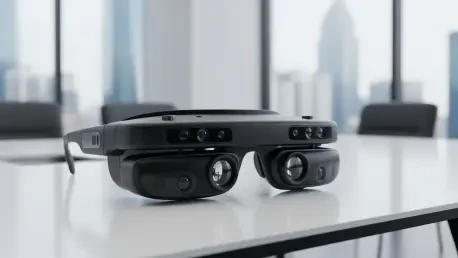

The sudden departure of Scott Myers, the long-standing Senior Vice President of Specs at Snap, represents a significant and potentially destabilizing shift as the organization approaches a critical 2026 product launch cycle. For over six years, Myers served as the primary architect of the hardware division, guiding the company through its ambitious transformation from an ephemeral messaging app into a serious contender in the wearable technology space. His exit was reportedly triggered by a high-stakes strategic disagreement with CEO Evan Spiegel, exposing a fundamental rift regarding the long-term vision for augmented reality hardware. This leadership vacuum is particularly poorly timed, as it follows the recent January 2026 spin-off of the hardware team into a standalone entity known as Specs Inc. This restructuring was originally designed to streamline development and allow for a more singular focus on engineering breakthroughs, but the loss of its top executive now threatens to undermine that newfound independence.
Structural Disruptions: The Leadership Rift
The friction between Myers and Spiegel suggests that the internal culture at Snap may be grappling with the immense pressure of bringing sophisticated AR glasses to a mass consumer market. When a visionary leader who has managed a division for more than half a decade leaves due to a strategic blow-up, it often signals deep-seated concerns about the feasibility of the current roadmap or the prioritization of specific features. Within the halls of Specs Inc., this departure could lead to a temporary paralysis as middle management waits for a new directive, potentially stalling the iterative feedback loops necessary for refining wearable tech. The loss of a unified voice at the top complicates the decision-making process for engineering teams who are already working against tight deadlines for the next generation of hardware. If the conflict centered on the balance between aesthetic design and raw processing power, the final product might see a sudden shift in its technical specifications or battery performance.
Beyond the internal dynamics, the spin-off of the hardware division was intended to foster an environment of agility, yet this goal is now compromised by the sudden absence of established institutional knowledge. Myers held the keys to numerous long-term partnerships and proprietary developmental processes that are not easily documented or transferred to a successor during a period of turmoil. As Specs Inc. attempts to operate as a separate entity, it requires a steady hand to navigate the complexities of corporate governance while maintaining a close relationship with the parent company’s software ecosystem. The timing of this transition suggests that the organizational structure may not yet be robust enough to withstand such a high-profile exit without losing momentum. Investors and industry analysts are looking for signs of how the company will bridge this gap, as any perceived instability could affect the valuation of the hardware subsidiary. The move toward autonomy was a bold bet that now faces its first major test under duress.
Technical Execution: Market Positioning Challenges
From a technical perspective, the risks associated with this executive transition involve critical elements such as firmware stabilization, supply chain logistics, and ongoing developer relations. With a 2026 launch window fast approaching, the stabilization of the operating system that powers these augmented reality glasses is paramount to ensuring a smooth user experience. Any shift in leadership can result in a change of priorities regarding which bugs are squashed or which API functionalities are prioritized for third-party creators. Developers who have invested significant resources into building experiences for the Snap platform may now feel a sense of hesitation, wondering if the core capabilities of the upcoming devices will remain consistent with previous promises. If the transition results in a pivot toward different hardware components, the resulting delays in manufacturing could push the release date further into the year, missing vital seasonal sales opportunities. Maintaining a reliable hardware roadmap is essential for building a loyal community.
The broader market landscape offers little room for error as competitors race to capture the burgeoning demand for immersive technology and artificial intelligence integration. According to recent IDC forecasts, the AR and VR shipment market is expected to experience a 41.4% growth starting from 2026, driven largely by lower price points and the maturation of AI-assisted features. In this high-stakes environment, Snap must compete against giants who possess significantly deeper pockets and more established hardware distribution networks. The loss of a veteran like Myers, who understood the intricate balance of optics and ergonomics, could slow down the pace of innovation exactly when the company needs to accelerate. If the hardware team is forced to spend time reorganizing instead of iterating, they risk falling behind in the race to define the next computing platform. Strategic agility is only possible when the leadership team is aligned on the specific technical milestones required to capture market share.
Strategic Imperatives: The Path Ahead
The organizational response to this vacancy necessitated a swift recalibration of the executive hierarchy to protect the upcoming launch and maintain confidence. Executives looked toward internal candidates who had been deeply embedded in the development of the 2026 hardware iteration to provide a sense of continuity. By promoting from within, the company sought to preserve the existing relationships with component suppliers and manufacturing partners in Southeast Asia. This approach aimed to minimize disruptions to the production schedule, ensuring that the final assembly of the new spectacles proceeded without the delays typically associated with external hires. To further stabilize the ecosystem, the leadership team prioritized clear communication with the developer community, offering guarantees regarding API stability and support. These actions were designed to mitigate the perception of volatility and reassure stakeholders that the core vision for the hardware remained intact despite the change.
Moving forward, the primary objective involved finalizing the feature set for the 2026 release while seeking a long-term replacement who could bridge the gap between engineering and consumer appeal. The search for a new leader focused on individuals with proven experience in scaling hardware startups or managing large-scale consumer electronics divisions. This transition period offered an opportunity to re-evaluate the integration of generative artificial intelligence into the AR interface, a feature that became increasingly central to the competitive landscape. By refining the interaction model between the glasses and the digital world, the company worked to ensure the product would resonate with a wider audience beyond early tech enthusiasts. The success of the 2026 debut eventually rested on the ability of the remaining team to execute the existing roadmap while remaining flexible enough to adapt to new market demands. This strategy allowed the company to navigate the executive vacuum and keep its technological future on course.