
After a year of digital exile that left mobile gamers wondering if they had seen the last of Queen Meve, the acclaimed card-based role-playing game Thronebreaker: The Witcher Tales has made a triumphant, if quiet, return to the App Store and Google Play. The title was abruptly pulled in 2025 following the discovery of a critical bug that created severe connectivity issues, rendering the single-player experience nearly unplayable for a vast portion of its audience. This unexpected removal left both new and returning players in limbo, cutting them off from a significant piece of The Witcher universe. Now, developer CD Projekt has successfully resolved the underlying technical problems, restoring the game to digital storefronts. The rollout is expected to propagate across all global regions within a 24-hour window, marking the end of a long and frustrating absence for fans of the rich narrative and strategic gameplay that define this unique spin-off. Its reappearance raises questions not only about its long-term stability but also its role in the franchise’s future.
A Legacy of Narrative Excellence
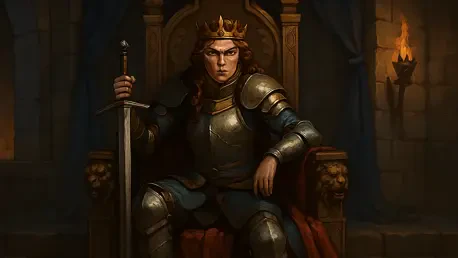
Long before its mobile troubles began, Thronebreaker: The Witcher Tales had already carved out a formidable reputation since its original 2018 release. The game stands as a testament to deep, character-driven storytelling, earning an overwhelming 96% positive rating on Steam from players who lauded its mature plot and engaging mechanics. It departs from the third-person action of the mainline series, instead weaving its tale through a combination of isometric exploration, dialogue choices, and a sophisticated card-based combat system. The story serves as a canonical prequel, chronicling the journey of Queen Meve of Lyria and Rivia as she battles to reclaim her kingdoms during the devastating second Nilfgaardian invasion. This narrative focus provides crucial context and world-building for the entire franchise, offering a perspective far removed from that of Geralt of Rivia. Its removal from mobile platforms was therefore more than a simple inconvenience; it was the temporary loss of an essential and highly celebrated chapter in The Witcher saga.
Bridging the Gap to a New Saga
The successful relaunch of Thronebreaker was more than a simple bug fix; it was a modernization that reaffirmed the title’s place in the modern mobile gaming landscape. This updated version came complete with refined touch screen adaptations, ensuring that the intricate card battles and world exploration felt intuitive and responsive on a variety of devices. Furthermore, the inclusion of cross-save capabilities provided a seamless experience, allowing players to continue Queen Meve’s journey across different platforms without losing progress. This thoughtful reintroduction offered a significant and high-quality piece of content for a fanbase eagerly awaiting any news regarding the next major installment, unofficially dubbed The Witcher 4. By restoring access to this beloved prequel, CD Projekt not only satisfied longtime enthusiasts but also provided a perfect entry point for newcomers, ensuring the rich lore of the Continent remained accessible while the next grand chapter in the saga was being forged.