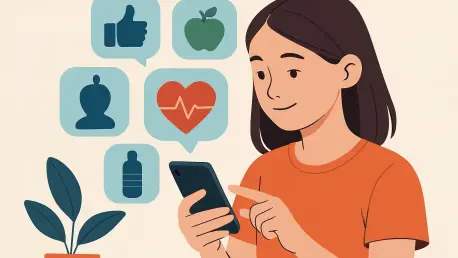

Nearly 13% of influencers base their entire health authority on personal lived experiences rather than scientific rigor or clinical evidence. This shift toward anecdotal authority has fundamentally transformed how adolescents interact with health data, moving away from textbooks and toward TikTok. In 2026, the average teenager does not seek out a physician for minor wellness inquiries but instead encounters advice passively while scrolling through social media feeds. Sophisticated recommendation algorithms ensure that fitness tips, dietary regimens, and mental health strategies are interwoven with entertainment, making it nearly impossible for a young user to avoid health narratives. This continuous stream of curated content creates an environment where health expectations are shaped by viral trends rather than medical standards. As these digital platforms prioritize engagement over accuracy, the resulting saturation of wellness content forces adolescents to navigate a complex web of information without traditional guardrails.
Analyzing the Credibility of Digital Health Influencers
The distinction between a professional medical practitioner and a charismatic content creator is frequently lost within the high-speed scroll of modern social media platforms. While approximately 41% of health-focused influencers claim some degree of healthcare professional status, a vast majority of the remaining creators operate with little to no formal medical training. These individuals often market themselves as wellness coaches or lifestyle entrepreneurs, utilizing high production values and large follower counts to simulate authority. In the eyes of an adolescent, a million followers often weigh more heavily than a board certification, leading to a pervasive credibility gap. This environment fosters the spread of misinformation, as creators prioritize trends that garner views rather than evidence-based protocols. Consequently, the digital marketplace of ideas becomes a space where popularity acts as a proxy for truth, leaving young audiences vulnerable to advice that might be outdated or factually incorrect.
A recurring theme among influential health figures is the prioritization of personal storytelling, where weight loss journeys or chronic illness management narratives are framed as universal blueprints. While these lived experiences can foster a sense of community and emotional support, they frequently lack the rigorous scientific validation required for general medical guidance. The danger is particularly acute when a specific anecdote is transformed into a marketable program or a “hack” that claims to work for everyone. Although many teenagers express a baseline level of skepticism toward online personalities, research indicates that even partial trust can lead to substantial behavioral changes. Adolescents may begin adopting restrictive diets or intensive exercise routines based purely on the success story of a single individual. This reliance on narrative over clinical evidence creates a risky dynamic, as the nuances of biological diversity and individual health histories are ignored in favor of a simplified, one-size-fits-all approach to wellness.
Psychological and Behavioral Risks for Teenagers
The influence of social media health content extends beyond casual observation and actively dictates the daily choices teenagers make regarding their physical health. Constant exposure to “What I Eat in a Day” videos and fitness transformations can profoundly distort an adolescent’s perception of body normalcy and healthy eating habits. This saturation of idealized imagery often leads to the adoption of extreme dietary restrictions or the use of unregulated performance-enhancing supplements. The pursuit of aesthetic perfection is frequently fueled by influencers who promote specific products through affiliate partnerships, blurring the line between health advice and commercial advertising. For a developing teenager, the pressure to conform to these curated standards can manifest as obsessive tracking of calories or ingredients, potentially leading to disordered eating patterns. The physical consequences of following non-expert advice can be severe, ranging from nutritional deficiencies to injuries sustained from improper exercise techniques promoted in viral workout challenges.
Beyond the physical ramifications, the constant influx of wellness content exerts a significant psychological toll on young adults, often manifesting as heightened anxiety regarding their own health status. The prevalence of mental health checklists on platforms like Instagram encourages a culture of self-diagnosis, where normal developmental challenges or temporary emotional shifts are misidentified as clinical disorders. This phenomenon can lead teenagers to believe they suffer from ADHD, anxiety, or depression simply because they align with a list of symptoms shared in a thirty-second video. Furthermore, the relentless focus on self-optimization and fixing perceived flaws creates an environment of perpetual dissatisfaction. Instead of seeing social media as a space for connection, it becomes a mirror for comparison, where the curated lives of others highlight one’s own perceived inadequacies. This psychological pressure can exacerbate existing mental health issues and create a cycle of stress, as teenagers feel compelled to constantly monitor and improve their mental state.
Verification Framework: Four Essential Questions for Online Claims
To protect adolescents from the risks of unregulated online advice, it is critical to implement a framework for digital literacy that emphasizes skeptical inquiry. The first step in this verification process involves a thorough investigation into the creator’s identity and professional credentials. Teens should be taught to ask whether a creator’s background specifically qualifies them to provide medical or nutritional advice, or if their authority is based solely on a high follower count. Furthermore, it is essential to scrutinize the commercial intent behind the content. When an influencer includes affiliate links or promotes a specific supplement brand, their objectivity is inherently compromised. By identifying these financial motives, young users can differentiate between genuine educational content and a sophisticated sales pitch. Recognizing that many wellness narratives are designed to funnel viewers into a purchase is a vital step in maintaining a healthy distance from biased information, ensuring that commercial interests do not dictate health decisions.
The final stages of verifying online health claims require comparing social media narratives against established, evidence-based sources. Adolescents should be encouraged to use reputable medical platforms, such as the CDC, the Mayo Clinic, or recognized professional medical associations, to cross-reference any advice encountered online. This habit of external research helps ground digital trends in scientific reality, providing a necessary counterweight to viral misinformation. Most importantly, the framework must emphasize that social media should only ever be a starting point for a broader conversation with a medical professional. A TikTok video or an Instagram post can never serve as a valid replacement for a clinical diagnosis or a personalized treatment plan developed by a licensed doctor. By reinforcing the necessity of professional consultation, parents and educators can help teens understand the boundaries of digital content. This approach ensures that while teenagers may find inspiration online, they rely on clinical expertise for their actual medical and psychological well-being.
Managing Feed Algorithms and Online Security
Taking proactive control of the digital environment is a necessary step for maintaining mental and physical wellness in an era of algorithmic dominance. Teenagers can be empowered to actively curate their social media feeds by unfollowing accounts that trigger body dissatisfaction or promote unrealistic health standards. Utilizing platform-specific tools, such as the “Not Interested” or “Mute” buttons, allows users to effectively train recommendation algorithms to stop serving distressing or repetitive wellness content. This shift from passive consumption to active management transforms the social media experience from a source of external pressure into a more personalized and positive space. When teenagers take ownership of their digital surroundings, they reduce the risk of being trapped in echo chambers of misinformation or negative self-comparison. This proactive stance encourages a healthier relationship with technology, where the focus remains on authentic connection and discovery rather than the constant pursuit of an idealized and often unachievable digital version of health.
The journey toward digital wellness is not merely about fact-checking individual posts but involves a broader strategy for navigating the technical risks hidden behind wellness narratives. Health content frequently acts as a gateway to external links and quizzes that are designed to harvest personal information or facilitate phishing scams. To combat these threats, the implementation of comprehensive digital security tools and family safety plans provides a crucial layer of protection against financial and privacy risks. By fostering a culture of media literacy, families can work together to distinguish between helpful inspiration and harmful misinformation. The final focus shifts from simply consuming content to engaging with it critically, ensuring that the digital landscape remains a tool for growth rather than a source of distress. This proactive approach allows adolescents to reclaim their autonomy, moving past the influence of unqualified figures toward a more balanced and evidence-based perspective on their own health and well-being in the digital age.