
The sudden disappearance of a beloved television series or a specific musical album from a digital library has become a common frustration for many consumers who once believed that streaming services offered permanent access to culture. This realization has sparked a significant shift among younger generations, particularly Gen Z, who are increasingly prioritizing tangible ownership over the ephemeral nature of cloud-based subscriptions. While the convenience of instant playback remains a selling point for many, the underlying volatility of licensing agreements means that digital content is essentially rented rather than owned. As major platforms purge titles for tax write-offs or fail to renew rights, the vulnerability of a purely digital lifestyle has become glaringly obvious. The resurgence of physical media is not merely a nostalgia trend, but a calculated response to the inherent instability of the modern subscription economy.
The Illusion of Access: Why Ownership Matters
Financial considerations are playing a pivotal role in this transition as the cumulative cost of maintaining multiple streaming platforms continues to rise while the perceived value of these services fluctuates. Purchasing a physical copy of an album or a film involves a one-time transaction that guarantees lifetime access, insulating the buyer from future price hikes or the risk of content deletion. For many Gen Z collectors, this represents a more sustainable long-term investment compared to the endless cycle of monthly fees that offer no equity in the media being consumed. Furthermore, the fragmentation of the streaming market, where content is scattered across dozens of apps, has made finding specific media more difficult and expensive than ever. By curating a personal physical library, young adults are reclaiming their autonomy and ensuring that their favorite art remains accessible regardless of corporate mergers or shifts in digital distribution strategies.
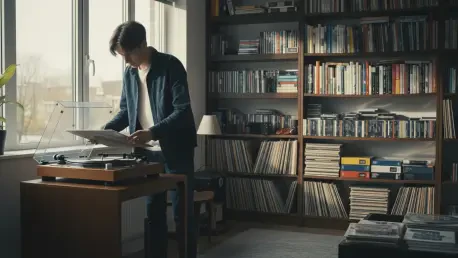
Beyond the practicalities of ownership, the physical format offers a sensory and aesthetic experience that digital files simply cannot replicate in any meaningful way for the modern consumer. The ritual of placing a needle on a vinyl record or flipping through a CD booklet provides a tactile connection to the artist’s work, fostering a deeper level of engagement than scrolling through a generic interface. This move toward physical media also doubles as a form of self-expression, where collections of records and films serve as home decor that reflects an individual’s identity and personal taste to the outside world. High-fidelity audio and the visual appeal of large-scale artwork allow for a more immersive experience, turning a passive activity into an intentional event. As digital fatigue sets in, the demand for analog formats grows, driven by a desire for a more deliberate relationship with media that transcends the fleeting convenience of a glass screen.
Future Directions: Building Resilient Cultural Archives
The movement toward physical media indicated a broader shift in how society valued permanence and historical preservation in an increasingly digital world as ownership became a priority. Enthusiasts took proactive steps to safeguard rare recordings and obscure films that were often ignored by major streaming algorithms, ensuring that diverse cultural artifacts remained available. Rather than relying solely on centralized servers, individuals began to treat their private collections as decentralized archives that were immune to technical outages or corporate censorship. This shift encouraged a new market for boutique physical releases, where independent labels thrived by offering high-quality editions with exclusive content. This approach naturally led to a renaissance of physical retail, where the focus shifted back to community-driven hubs that supported local economies and provided a space for meaningful cultural exchange that had been lost in the transition to the cloud.
For those looking to secure their own media future, the most effective strategy involved supporting local independent retailers and investing in reliable hardware that could sustain these formats for years. By prioritizing physical possession, a new standard for cultural consumption was established, where the value of art was no longer measured by its digital reach, but by its physical presence and longevity. Moving forward, consumers should evaluate which pieces of media are essential to their personal history and prioritize acquiring them in a non-digital format to avoid the risks of the subscription model. This proactive approach ensures that personal libraries remain intact regardless of changes in the tech industry or the shifting priorities of large corporations. Ultimately, the shift back to physical media provided a solution to the instability of the cloud, offering a way to preserve culture through tangible means that empowered the individual over the platform.