
The traditional landscape of mobile videography has long been shackled by the physical limitations of handheld stability, forcing creators to choose between bulky external accessories or the resolution-destroying nature of digital cropping. This fundamental shift in design philosophy sees the Honor Robot Phone integrating professional-grade mechanical stabilization directly into the core chassis of a flagship smartphone. By embedding a dedicated 3-axis gimbal within the body, the manufacturer has effectively transformed the device from a standard communication tool into a sophisticated, pocket-sized cinema camera capable of executing complex fluid motions. This engineering marvel eliminates the need for cumbersome external stabilizers while maintaining the sleek profile expected of a modern flagship. The convergence of robotics and high-end optics suggests that the evolution of mobile imaging is no longer just about sensor size, but about the physical agility and spatial awareness of the lens itself.
Physical Innovation: Engineering and Autonomous Operation
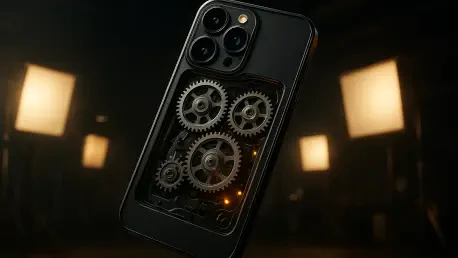
At the center of this technological advancement lies the Titanium Agile Gimbal, a sophisticated 4-degree-of-freedom system that meticulously packs over 100 precision-engineered parts into a remarkably compact space. Engineers achieved this feat by utilizing a high-torque titanium motor capable of handling rapid adjustments without overheating or sacrificing accuracy. This mechanical core allows the camera housing to move independently of the phone’s body, providing a layer of physical isolation that digital algorithms cannot replicate. Unlike standard optical image stabilization that offers minimal tilt, this system provides the structural integrity needed for aggressive movement. The use of titanium ensures that the internal components remain lightweight yet durable enough to withstand the micro-adjustments required during high-speed filming. This hardware-first approach ensures that every frame remains steady, regardless of the physical environment or the intensity of the operator’s movement.
Complementing the robust mechanical hardware is an advanced AI-powered system known as YOYO Robot Mode, which effectively serves as an autonomous camera operator for solo creators. This system utilizes high-speed computer vision to identify and track human subjects in real-time, automatically adjusting the pan and tilt of the gimbal to keep the presenter perfectly framed within the shot. Such a capability is particularly transformative for livestreamers and vloggers who no longer need to worry about walking out of the frame while demonstrating products or engaging in active movement. The AI analyzes the scene to predict subject movement, ensuring that transitions are smooth and natural rather than jerky or reactive. Control of the gimbal is further enhanced through the implementation of spatial voice commands and intuitive hand gestures, providing a truly hands-free filming experience. This integration of robotics and intelligence removes the technical barrier of operating a professional camera.
Professional Standards: Cinematic Optics and Hardware Resilience
To bridge the existing gap between consumer mobile video and professional cinema, a strategic partnership with the film industry giant ARRI has brought high-end color science to the mobile workflow. This collaboration allows the device to record video in 10-bit ARRI LogC3, a format favored by professional cinematographers for its ability to preserve maximum image data for post-production. The sensor provides an impressive 14 stops of dynamic range, ensuring that detail is maintained in both the brightest highlights and the deepest shadows of a scene. This is complemented by a 200-megapixel main sensor with an f/1.6 aperture, which allows the mechanical gimbal to shine in low-light conditions by enabling longer shutter speeds without blur. These professional standards ensure that mobile footage possesses the necessary latitude for professional color grading. Consequently, the device functions as a legitimate tool in a professional environment, prioritizing a natural aesthetic over digital noise.
Powering these capabilities was the Snapdragon 8 Elite Gen 5 platform, complemented by a proprietary # imaging chip that managed the robotic gimbal. This processing power was essential for maintaining the synchronization between mechanical movements and digital capture. The inclusion of a 7,060mAh battery supported the energy-intensive hardware, providing the endurance needed for a full day of production. Ultimately, the arrival of this robotic imaging system established a new benchmark for mobile filmmaking. By prioritizing physical engineering over software shortcuts, the manufacturer provided a tangible solution to handheld instability. This development encouraged an industry shift toward integrating more mechanical components into flagship devices. Filmmakers found that the internal gimbal reduced the need for external gear, streamlining their workflows significantly. Future designs will likely focus on miniaturizing these motors further to allow for multiple stabilized sensors.