
The staggering loss of an estimated $300 billion in federal pandemic relief funds to sophisticated hackers served as a monumental wake-up call, exposing the profound vulnerabilities within the nation’s aging identity verification infrastructure. This colossal failure highlighted a problem that affects millions of Americans annually: the persistent and evolving threat of identity theft. In an age where digital transactions are the norm, the methods used to protect personal information have struggled to keep pace with the ingenuity of criminals. However, a powerful solution may already be in the hands of a vast majority of the population. A bipartisan push in Washington is now championing the idea of transforming the modern smartphone, with its advanced biometric security features, from a mere communication device into a formidable shield against financial fraud, potentially heralding a new era of secure digital identity. This initiative seeks to pair government-issued identification with the unique biological markers of an individual, creating a verification system that is significantly more difficult to compromise than traditional password or knowledge-based methods.
The Case for Biometric Verification
A Bipartisan Push for Digital Security
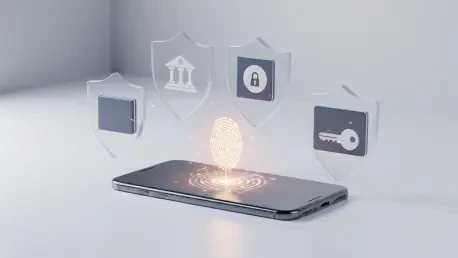
At the forefront of this movement, U.S. Representatives Bill Foster and Dan Meuser are advocating for a system that would integrate secure digital identification with the face and fingerprint recognition technologies that are now standard on most mobile phones. The core of their proposal is a robust two-factor authentication process. The first factor would be a digital version of a trusted government-issued document, such as a passport or a Real ID-compliant driver’s license, stored securely within the device. The second factor would be the user’s own biometric data—a fingerprint scan or facial recognition login. For any high-stakes transaction or verification to proceed, the system would demand both the presentation of the digital ID and a successful biometric match from the device’s owner. This powerful combination effectively creates what proponents call a “legally traceable person,” intrinsically linking a verified identity to a specific, trusted electronic device and raising the barrier for fraud to a level that is nearly insurmountable for most criminals who operate remotely and at scale.
The urgency for adopting such a framework is underscored by the glaring inadequacies of current identity verification protocols in the United States. Rep. Meuser has pointedly criticized the nation’s continued reliance on “rudimentary” security questions, such as a mother’s maiden name, which are easily discoverable in the age of social media and widespread data breaches. Rep. Foster contrasts this outdated approach with the successes seen in other countries that have already implemented secure digital ID systems. In those nations, government benefits were distributed directly and securely to citizens who authenticated their bank information through their mobile phones. This method, Foster claims, “stopped the North Korean hackers cold.” The fundamental argument is one of scale and practicality: while cybercriminals can steal millions of passwords and Social Security numbers through data breaches, they cannot realistically steal millions of physical cell phones and also defeat the sophisticated biometric security measures protecting each individual device.
The Technological Landscape
From a technological standpoint, the foundation for a national digital ID system is largely already in place, making the proposal more of an integration challenge than an inventive one. The vast majority of modern Android and Apple smartphones are equipped with high-fidelity biometric scanners capable of providing the necessary level of security. Progress is already being made on the software and implementation front. Apple, for instance, has introduced a Digital ID function that allows users to securely load their passport or state-issued ID information into the device’s wallet application. This feature is not merely theoretical; it is currently being tested by the Transportation Security Administration (TSA) at approximately 250 airports for domestic travel verification, demonstrating a real-world use case for this technology. These developments show that the core components are available and functional, awaiting a more comprehensive and standardized framework to unlock their full potential in the fight against identity theft.
Despite these technological advancements, the current rollout of digital IDs across the United States remains a fragmented and incomplete patchwork. While 19 states and Puerto Rico have begun to permit some form of digital identification, the system lacks universal recognition and a standardized platform. This creates a disjointed environment where a digital license from one state may not be accepted or even readable in another, severely limiting its utility and effectiveness as a nationwide solution. Without a cohesive federal framework to ensure interoperability and uniform security standards, the effort remains siloed. This lack of a unified approach prevents the realization of a truly national defense against the kind of systemic fraud that plagued pandemic relief efforts and continues to cost consumers and governments billions of dollars annually. The challenge, therefore, lies in harmonizing these disparate state-level initiatives into a single, recognized standard.
Overcoming the Implementation Hurdles
Navigating the Political Opposition
The most significant obstacle to the widespread adoption of a smartphone-based digital ID system is not technological but political. Rep. Foster openly acknowledges that the concept, which he concedes “sort of smells like a national ID card,” faces vehement opposition from the ideological extremes of both the left and the right. Concerns over privacy, potential for government surveillance, and the risk of creating a centralized database of personal information fuel resistance from civil liberties advocates. Simultaneously, fears of government overreach and mandates resonate strongly with conservative and libertarian groups. This creates a challenging political landscape where a solution designed to protect citizens from crime is viewed with suspicion as a potential tool for control. These deep-seated ideological objections form a formidable barrier that has, thus far, prevented a consensus from forming around a national strategy for digital identity.
However, proponents of the digital ID argue that this vocal opposition at the political fringes does not accurately reflect the sentiment of the general populace. Rep. Foster contends that the “vast majority of people in the middle” are exhausted by the constant threat of identity theft and the significant inconvenience it causes in their daily lives, from frozen bank accounts to fraudulent credit applications. This segment of the population, he believes, desires a system that is simultaneously secure, private, and trustworthy. The argument is that a well-designed system could empower individuals by giving them more control over their own data, rather than ceding it to government agencies or corporations. The key to overcoming the political stalemate may lie in effectively communicating these benefits and demonstrating that a secure digital identity can be implemented in a way that enhances personal privacy rather than diminishes it, framing it as a practical tool for modern life.
The Path Forward to Digital Trust
The eventual adoption of smartphone-based biometric verification was not merely a technological upgrade; it represented a fundamental paradigm shift in how personal identity was conceptualized and secured in the digital realm. The system’s success hinged on its ability to move beyond the fragile, knowledge-based authentication methods of the past—like passwords and security questions—to a robust, inherence-based model built on an individual’s unique biological traits. The political hurdles, which once seemed insurmountable, were ultimately navigated by focusing on the tangible, everyday benefits of enhanced security and convenience. This practical appeal resonated deeply with a public that had grown weary of the persistent threat of financial fraud and identity theft. This strategic shift in focus allowed for the establishment of a new, higher baseline for digital trust across countless platforms and services.
The integration of secure digital IDs into the fabric of daily life ultimately streamlined processes that extended far beyond the initial goal of preventing large-scale fraud. Routine activities such as airport check-ins, age verification for restricted purchases, and secure access to sensitive government or healthcare services became significantly faster, more reliable, and less prone to human error. Critically, the system’s architecture was designed with user control and privacy as core tenets, which helped to methodically address the initial, legitimate concerns about potential government overreach. By creating a decentralized framework where a “legally traceable person” was securely linked to their trusted personal device, the initiative succeeded in making the digital world a substantially safer environment for legitimate users while erecting formidable, technologically sophisticated barriers against criminals and malicious actors.