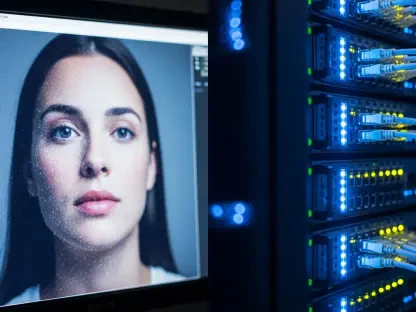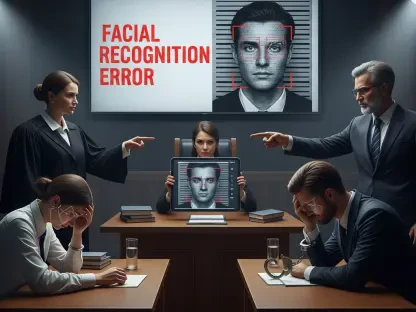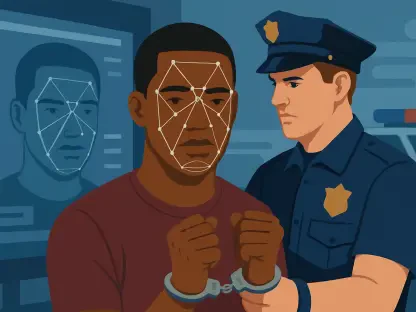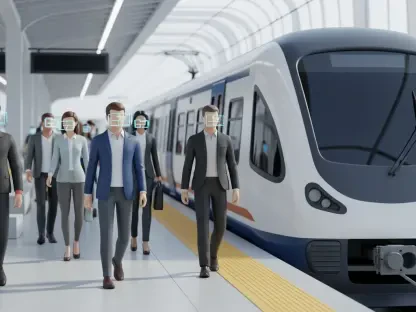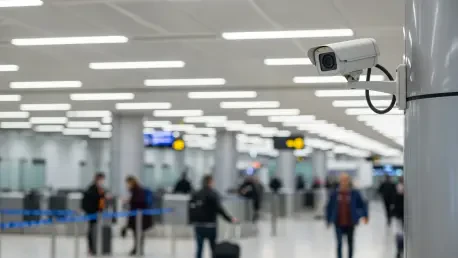

A new reality quietly took effect at U.S. borders in December 2025, fundamentally altering the nature of international travel and personal identity for millions. Under a Department of Homeland Security mandate, every non-citizen entering or exiting the country may have their face photographed and
When it comes to the intersection of mobile technology and government policy, few understand the deep-seated implications better than Nia Christair. With a rich background in mobile app development and enterprise solutions, she brings a crucial technical perspective to the debate over surveillance.
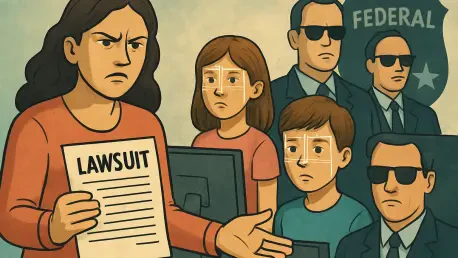
The quiet afternoon outside an Illinois high school last October became the unlikely epicenter of a legal firestorm, as a brief encounter captured on video has pitted state privacy laws against the authority of federal immigration enforcement. The footage, showing U.S. Border Patrol agents
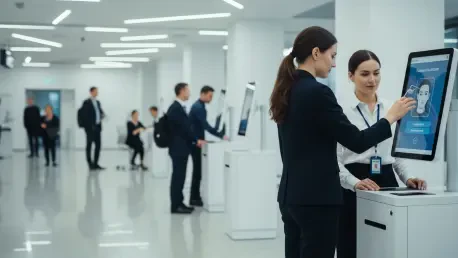
For countless citizens, particularly the elderly or those with certain health conditions, the simple act of pressing a finger against a scanner has long represented an insurmountable barrier to accessing fundamental services. This biometric hurdle has inadvertently excluded a vulnerable segment of
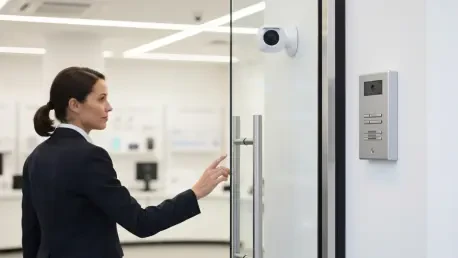
The sight of a notice on a retail storefront instructing you to look directly into a camera before being granted entry can easily spark concerns in an age of ever-advancing surveillance technology. This very scenario at Rogers and Fido locations has fueled widespread speculation that the
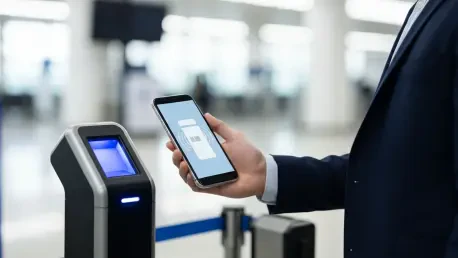
The familiar act of reaching for a wallet to produce a driver's license is steadily being reimagined as Kentucky introduces a mobile identification application, positioning the Commonwealth as a key player in the national shift toward digital credentials. This initiative represents far more than a