
In a nation where geographic and economic barriers have historically left a significant portion of the population outside the formal financial system, a new initiative is bringing banking services directly to the streets of underserved communities. The Bank of the Philippine Islands (BPI) has launched its “BPI On-The-Move” program, a groundbreaking mobile banking solution designed to dismantle long-standing obstacles to financial inclusion. Commemorating its 175th anniversary, the institution is driving forward a tangible commitment to extending its reach, utilizing a custom-built, sustainable mobile bus that functions as a complete banking branch on wheels. This effort represents a pivotal shift from traditional brick-and-mortar banking toward a more dynamic, community-centric model aimed at empowering Filipinos with the tools and knowledge necessary for economic security and growth. The program’s rollout signifies a major step in aligning corporate strategy with the national goal of creating a more inclusive financial landscape for all citizens.
A New Frontier in Community Banking
Bringing Comprehensive Services to the Unbanked
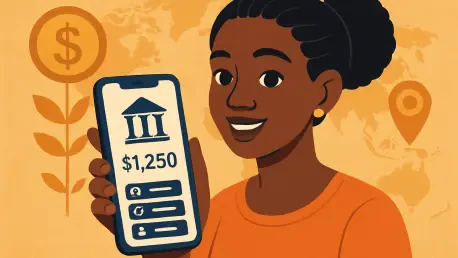
The core of the “BPI On-The-Move” initiative is a sustainably designed, fully-equipped mobile banking bus, which serves as a one-stop shop for a wide array of financial products and services previously out of reach for many. This mobile branch is engineered to deliver a seamless customer experience, offering everything from the opening of digital and regular savings accounts to on-site registration for BPI’s VYBE e-wallet. The program strategically simplifies the onboarding process, removing common hurdles such as complex documentation and the need to travel long distances to a physical branch. Residents can also apply directly for credit cards, personal loans, and various insurance policies, receiving immediate assistance from banking professionals. According to Maria Cristina “Ginbee” Go, BPI’s Head of Consumer Banking, the program’s primary objective is to make the initial steps into the financial world less intimidating and more accessible, thereby empowering individuals to confidently begin their financial journeys and build a more secure future for themselves and their families.
The Inaugural Journey and Strategic Rollout
The program officially commenced its journey on January 26 in Naga City, Camarines Sur, marking the first of many planned deployments throughout 2026. The selection of Naga City as the inaugural location underscores the initiative’s focus on reaching communities beyond major metropolitan centers. The launch event was a testament to the collaborative nature of the project, attended by key BPI executives, including Ginbee Go and Geraldine Alcuaz, alongside Naga City Mayor Leni Robredo. This partnership with the local government unit (LGU) highlights a shared vision for fostering inclusive economic growth from the ground up. By bringing the bank directly to the people, BPI is not only providing services but also demonstrating a deep commitment to on-the-ground engagement. The success of the Naga City launch has set a positive precedent for the program’s planned expansion, with BPI aiming to bring the mobile bank to more cities and municipalities across the nation in the coming months, scaling its impact and reach.
Fostering Financial Literacy and Local Partnerships
Beyond Access to Education and Empowerment
The “BPI On-The-Move” program extends its mission beyond merely providing access to financial products; it is deeply rooted in a commitment to financial education. Acknowledging that access without understanding is insufficient, the initiative integrates comprehensive financial wellness and literacy sessions into its community visits. In Naga City, BPI’s microfinance arm, BanKo, conducted specialized workshops for local government employees, focusing on practical money management skills, budgeting, and the importance of saving and investing. This educational component is crucial for building long-term financial resilience and ensuring that new customers can make informed decisions. By equipping individuals with financial knowledge, BPI is helping to cultivate a culture of financial responsibility that can lead to generational wealth-building and economic stability. This community-based educational approach is a cornerstone of the program’s strategy to create a lasting and meaningful impact that transcends simple account openings.
A Collaborative Model for National Impact
The initiative’s framework is fundamentally built on strong, strategic partnerships with local government units, which are essential for its successful implementation and long-term sustainability. The collaboration with the Naga City government serves as a blueprint for future deployments, demonstrating how public-private partnerships can effectively address societal challenges like financial exclusion. By working closely with LGUs, BPI can better understand the specific needs and contexts of each community, allowing for a more tailored and effective service delivery. This cooperative model ensures that the program aligns with local development goals and leverages the LGU’s established community networks to maximize reach and engagement. This approach is a direct contribution to the Bangko Sentral ng Pilipinas’ national financial inclusion strategy, which emphasizes the importance of a whole-of-nation approach to bringing more Filipinos into the formal financial system and promoting a more equitable economic environment for the entire country.
A Road Paved Toward Greater Inclusion
The initial rollout of the mobile banking program established a powerful precedent for community-centric financial services. By combining accessible product offerings with essential financial education and strong local partnerships, the initiative successfully demonstrated a viable and impactful model for reaching unbanked and underserved populations. The positive reception in Naga City confirmed that a significant demand existed for more convenient and approachable banking solutions. This early success laid the groundwork for a broader national strategy, proving that innovative delivery channels could effectively bridge the gap between traditional banking institutions and the communities they aimed to serve. The program’s initial phase became a crucial learning experience, providing valuable insights that shaped its expansion and reinforced the importance of a multifaceted approach to fostering genuine financial inclusion.