
When the historic Winter Storm Fern unleashed its fury, blanketing a vast corridor of the country from Texas to Maine, the invisible web of wireless connectivity became a lifeline for millions trapped in its path. In an age where a smartphone is a primary tool for emergency alerts, communication with loved ones, and access to critical services, the question of network resilience is no longer a matter of convenience but one of public safety. As the storm intensified, the nation’s leading mobile operators were put to the ultimate test, forcing them to deploy a range of sophisticated strategies honed through years of preparation. The response to this widespread weather event offered a crucial look into the diverse and evolving tactics carriers employ to keep their networks online when they are needed most, demonstrating that readiness is a complex equation involving infrastructure, personnel, and cutting-edge technology working in concert against nature’s most powerful forces.
Differentiated Strategies for Network Resilience
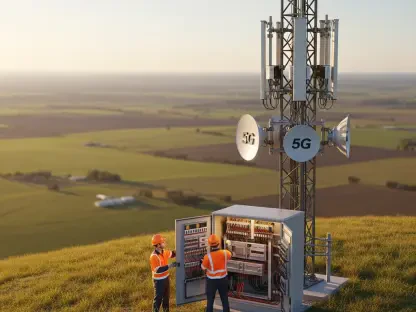
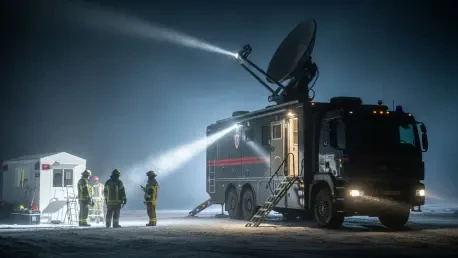
The industry’s response to the crisis revealed that while the objective was universal, the core philosophies guiding each carrier’s preparations were distinctly different. Verizon, for instance, underscored a strategy centered on robust physical infrastructure and asset readiness. The company’s year-round hardening efforts ensured its macro cell sites were equipped with fully functional backup power systems, including batteries and generators, to counteract widespread electrical outages. Proactively, Verizon had also pre-arranged fuel deliveries to keep these generators running for extended periods. Further bolstering its on-the-ground capabilities, a fleet of nearly 3,000 mobile network assets, such as Cells on Light Trucks (COLTs) and Cells on Wheels (COWs), stood ready for rapid deployment to areas where permanent towers might fail. In contrast, AT&T’s preparations highlighted a deep focus on its public safety obligations through its dedicated FirstNet operations. This specialized group, led by former first responders, was placed on high alert to deploy a fleet of network assets specifically to support the non-negotiable communication needs of emergency services, ensuring that police, fire, and medical teams maintained connectivity.
The Future of Connectivity in Crisis
As traditional methods of physical hardening and specialized support were deployed, T-Mobile’s approach offered a glimpse into the next frontier of network management during a crisis. The carrier leaned heavily on advanced technology, leveraging its AI-powered self-optimizing network (SON) to adapt to the storm’s impact in real time. This automated system demonstrated its value by dynamically rerouting cellular traffic around damaged areas and adjusting antenna angles to manage network congestion without the need for manual intervention, ensuring more efficient use of available resources. Furthermore, T-Mobile’s unique partnership with Starlink provided a critical fail-safe through direct-to-device (D2D) satellite connectivity. This collaboration represented a vital backup layer, offering a way to keep users connected even if terrestrial towers were completely offline. Ultimately, the comprehensive response to Winter Storm Fern illustrated that no single solution guaranteed success. It was the combination of Verizon’s infrastructure resilience, AT&T’s unwavering commitment to first responders, and T-Mobile’s technological agility that collectively helped the nation weather the storm, setting a new precedent for disaster preparedness.