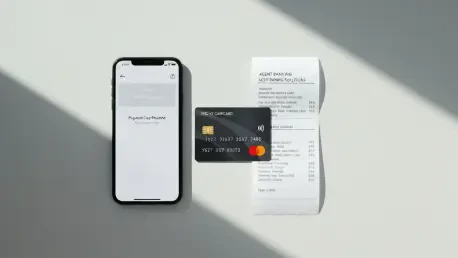

The annual back-to-school season has long been characterized by a frantic rush for parents and guardians, a period marked by long queues, multiple transactions, and the logistical challenge of managing expenses ranging from school fees to uniforms and stationery. As the 2026 academic year commences, this traditionally daunting process is undergoing a significant transformation, driven by financial institutions that have recognized the need for more convenient and streamlined solutions. The Co-operative Bank of Kenya has positioned itself at the forefront of this evolution, rolling out a comprehensive suite of practical financial tools designed to ease the burden on families. By strategically integrating affordable credit options, robust digital payment platforms, and valuable merchant partnerships, the bank is fundamentally altering how families prepare for the academic year. This approach not only mitigates the financial pressures associated with back-to-school shopping but also saves invaluable time previously spent navigating a fragmented landscape of service providers and payment methods. The core of this transformation lies in digital convenience, empowering parents to manage all their educational expenses from a single, accessible platform.
1. Embracing Digital Transformation for Seamless Transactions
A cornerstone of the bank’s strategy is the powerful integration with M-Pesa, particularly through the use of specific Paybill numbers that simplify transactions for both merchants and schools. The ability to send money from an M-Pesa account directly to a retailer’s Co-operative Bank account using Paybill number 400222, completely free of charge, represents a significant advantage for parents shopping for school supplies. This process ensures that funds reflect immediately in the merchant’s account, eliminating delays and providing instant confirmation of payment. For school fees, the dedicated Paybill number 400222 offers a structured and secure method. Parents can easily navigate to the Lipa na Mpesa option, enter the business number, and use a unique account format combining the school’s code with the student’s number (e.g., SCHOOLCODE#STUDENTNUMBER). This system not only ensures accuracy but also provides an immediate SMS confirmation, which serves as a digital receipt and proof of payment. This streamlined digital channel removes the need for physical cash or bank visits, offering a secure, efficient, and traceable way to settle essential educational costs from anywhere.
Complementing its Paybill services, the MCo-op Cash mobile app provides a comprehensive banking-on-the-go experience for smartphone users. Available for download on both the Google Play Store and the App Store, the application grants users free access to their Co-operative Bank accounts, empowering them to manage their finances with unprecedented ease. A key feature of the app is the ability to transfer funds directly to other accounts at no cost, which effectively removes the necessity of withdrawing physical money or going through the cumbersome process of obtaining a banker’s cheque for large payments like school fees. This mobile-first approach is also accessible to non-smartphone users through the USSD code *667#, ensuring wide-ranging inclusivity. By dialing the code or using the app, parents can seamlessly pay for school uniforms, books, and other necessities directly from their bank account. This digital solution not only enhances convenience but also adds a layer of security, as it minimizes the risks associated with carrying large amounts of cash during the busy back-to-school shopping season.
2. Expanding Accessibility Through Varied Touchpoints
Recognizing that not all customers may have consistent access to digital platforms or prefer in-person interactions, the bank has significantly expanded its physical reach through the Co-op Kwa Jirani agent network. This initiative effectively transforms local shops and businesses into mini-bank branches, bringing essential banking services closer to communities across the country. For parents, this means they can deposit school fees directly at a nearby agent without having to travel to a formal bank branch. This service is not only convenient but also cost-effective, as cash deposits made for school fees at a Co-op Kwa Jirani agent are free of charge. Upon completing the transaction, the parent or guardian receives a physical paper receipt, which is a crucial document for school records and serves as undeniable proof of payment. This model provides the reliability of a branch transaction with the accessibility of a neighborhood store, making it an ideal solution for those who value tangible proof of their payments or find agent banking more convenient than digital alternatives.
Further enhancing payment flexibility, Co-op Bank offers a versatile range of payment cards, including Credit Cards, Debit Cards, and Prepaid Cards, each designed to cater to different financial needs and preferences. These cards provide cardholders with the freedom to withdraw cash at any Visa-branded ATM globally or, more conveniently, pay for goods and services directly at any outlet equipped with a Point of Sales (POS) machine. A significant benefit of using these cards for payments is the absence of transaction charges; the only amount deducted from the card is the exact cost of the item or service being purchased. This makes direct card payments a more economical choice compared to withdrawing cash from an ATM, which typically incurs a commission that is immediately deducted from the available card limit. By encouraging direct POS payments, the bank helps parents avoid unnecessary fees and the security risks of carrying cash, allowing them to complete all their back-to-school shopping for items like stationery, uniforms, and textbooks in a single, secure, and efficient manner.
3. A New Standard for Financial Preparedness
The deployment of these integrated payment solutions effectively reshaped the back-to-school preparation experience for countless families. What was once a fragmented and often stressful period of financial management became a more unified and controlled process. Parents and guardians found themselves equipped with a versatile ecosystem that catered to a wide array of payment preferences, whether they favored the immediacy of mobile transactions, the accessibility of agent banking, or the convenience of card payments. The notable shift towards digital and agent-based channels minimized the traditional reliance on physical cash, thereby reducing associated risks and eliminating the time-consuming need for trips to banking halls. This evolution in financial services provided families not just with enhanced convenience but with a greater degree of control and transparency over their seasonal expenditures. The clear digital trails and physical receipts offered by these systems established a new benchmark for how financial institutions can actively support and simplify the critical life events of their customers.