
Every time a smartphone successfully authenticates on a foreign network or a developer accesses a standardized API to verify a user’s identity, the invisible but powerful influence of the Global System for Mobile Communications Association becomes apparent. Representing over a thousand companies and operators, the GSMA acts as the connective tissue of the digital world, ensuring that the disparate pieces of the mobile industry function as a unified global machine. In the current landscape of 2026, where high-speed connectivity is no longer a luxury but a fundamental utility, this organization manages the delicate balance between competitive commercial interests and the collective need for interoperability. By focusing on three strategic pillars—Connectivity for Good, Industry Solutions, and global events like the Mobile World Congress—the GSMA provides the necessary framework for innovation. This oversight allows for a seamless transition between technology generations, ensuring that as 5G matures and 6G research intensifies, the industry moves in a synchronized direction that benefits billions of users across every continent. The organization’s ability to align diverse stakeholders under a common technical and ethical banner remains its most significant contribution to the modern digital age.
Evolutionary Milestones and the Path to Advanced Connectivity
The journey of the GSMA began long before the era of smartphones, rooted in a European initiative from the early 1980s that sought to replace fragmented analog systems with a digital standard. This transition from 1G to 2G was a pivotal moment in technological history, catalyzed by the first digital call in 1991 and the birth of text messaging shortly thereafter. What started as a localized effort quickly transcended regional boundaries, particularly when non-European operators began adopting the standard in the mid-1990s. This expansion transformed the organization from a specialized technical group into a global authority that dictates the pace of telecommunications progress. Today, the association oversees the complex architecture of modern networks, ensuring that advancements in 4G and 5G remain backward compatible while paving the way for the next phase of mobile intelligence. This historical trajectory demonstrates how a commitment to common standards can accelerate the global adoption of technology, turning isolated mobile experiments into a worldwide communication infrastructure.
Beyond historical milestones, the current role of the GSMA involves maintaining the technical rigor required for global interoperability in an increasingly complex environment. Without the Industry Solutions pillar, the mobile world would likely fragment into proprietary silos, making international roaming and cross-border data exchange nearly impossible for most consumers. The association develops the specifications that allow different hardware manufacturers and network providers to communicate effortlessly, fostering a competitive yet collaborative marketplace. As the industry moves from 2026 toward 2028, the focus has shifted toward refining these standards to accommodate the massive influx of Internet of Things devices and autonomous systems that require ultra-low latency. By providing a neutral ground for technical negotiation, the GSMA ensures that even the most innovative startups can integrate their products into the global grid. This technical foundation is what allows a user in Tokyo to rely on the same connectivity protocols as someone in New York or London, maintaining a level of consistency that is essential for the global digital economy to thrive.
Strategic Initiatives and the Era of Programmable Networks
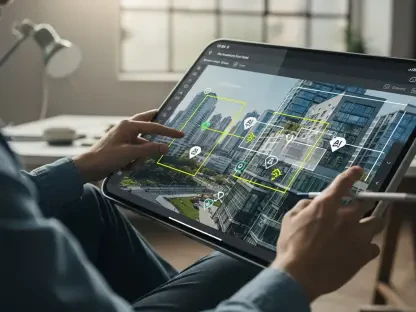
A significant shift in the industry’s focus is the move toward programmable networks, an initiative spearheaded by the GSMA’s Open Gateway project. This framework provides standardized application programming interfaces that allow developers to tap directly into advanced network capabilities, such as location verification, quality of service on demand, and device status checks. This democratization of network access represents a fundamental change in how operators view their infrastructure, moving away from being mere bit pipes toward becoming sophisticated service platforms. By standardizing these APIs globally, the GSMA ensures that a developer only needs to write code once to reach a massive audience, regardless of the carrier or region. This approach has already begun to catalyze new business models in sectors like fintech and logistics, where real-time data from the network can prevent fraud or optimize shipping routes. The success of this initiative relies on the association’s ability to drive consensus among fierce competitors, proving that shared technical standards can create a larger economic pie for all stakeholders involved in the mobile ecosystem.
The physical manifestation of this collaborative spirit is most visible at the Mobile World Congress, which has evolved into a cornerstone event for the entire technology sector. Originally a traveling conference, it found its permanent home in Barcelona two decades ago and has since become the primary venue for unveiling the hardware and software that define the coming years. In 2026, the event continues to serve as a high-stakes arena where industry leaders negotiate the partnerships that will shape the digital landscape. Beyond the flashy product launches, the event facilitates critical discussions on spectrum allocation, regulatory policy, and the ethical implications of artificial intelligence in communications. These gatherings are essential for aligning the goals of telecommunications giants, government officials, and emerging tech firms. By hosting such large-scale events, the GSMA provides a unique platform where technical experts and business executives can bridge the gap between abstract innovation and practical implementation. This synergy ensures that the industry remains agile, responding to shifting consumer demands and geopolitical challenges with a unified voice.
Sustainable Leadership and Future Systemic Integration
Leadership within the GSMA has also become increasingly focused on social responsibility and environmental sustainability through its Connectivity for Good initiative. The association recognizes that the expansion of 5G and the groundwork for 6G must be balanced with a commitment to reducing the industry’s carbon footprint. Through the Climate Transition Guide, the organization provides operators with a concrete framework to manage energy consumption and optimize resource usage across their vast networks. This proactive stance on climate change is mirrored in the association’s governance, which includes influential figures like Telefónica President Marc Murtra. His inclusion on the GSMA Council in early 2025 signaled a continued emphasis on high-level strategic alignment across the European and global markets. By integrating sustainability into the core of its mission, the GSMA ensures that the mobile industry contributes to global climate goals rather than detracting from them. This focus on ethical growth helps maintain public trust and regulatory support, which are critical for the long-term viability of the telecommunications sector in an age where social impact is as important as financial performance.
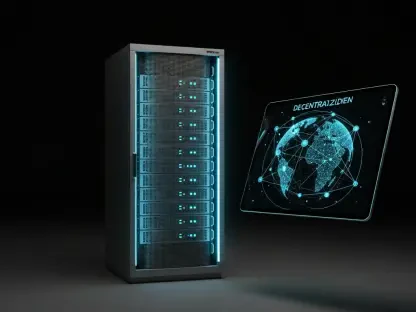
To ensure continued relevance and resilience, stakeholders prioritized the integration of cross-industry partnerships that extended beyond traditional telecommunications. The GSMA effectively moved toward a model where network intelligence was treated as a shared resource, encouraging operators to invest in edge computing and decentralized infrastructure. This strategy required a shift in focus from purely expanding coverage to enhancing the quality and security of existing data pathways. Moving forward, the industry addressed the digital divide by implementing more inclusive financial models and technical aid for developing regions, ensuring that global connectivity remained equitable. Organizations adopted more transparent data governance protocols to navigate the complexities of privacy and international regulation. These steps allowed for a more robust ecosystem where innovation was not hindered by technical friction. Ultimately, the industry moved toward a future where the distinction between mobile networks and general computing became increasingly blurred, demanding a more integrated approach to standards and policy. By fostering this environment, the GSMA secured a framework that supported both economic growth and social advancement for the years ahead.