
The digital divide remains one of the most persistent barriers to global economic equality, leaving billions of people without the basic tools required to participate in the modern economy. While urban centers enjoy the benefits of high-speed fiber optics and 5G saturation, rural and remote regions often remain in a state of technological stagnation because traditional telecommunications giants prioritize high-profit margins over universal access. The World Mobile Network emerges as a disruptive force in this landscape, conceptualizing internet access not as a luxury for the wealthy but as a fundamental human right. By integrating decentralized governance with advanced connectivity solutions, the project seeks to dismantle the gatekeeping mechanisms that have historically kept underserved populations offline. This transition toward a more equitable framework represents a significant departure from the status quo, aiming to empower individuals through digital inclusion and financial autonomy.
The “Telecom 3.0” philosophy driving this initiative focuses on a user-centric ecosystem that effectively bypasses the bloated overhead costs associated with legacy carriers. Traditional models often fail in developing regions because the capital expenditure required to install and maintain hardware far exceeds the immediate revenue potential from low-income communities. In contrast, the World Mobile Network utilizes a lean, decentralized approach that lowers entry barriers and encourages local participation. By removing the need for a massive corporate middleman, the system can provide sustainable services at a fraction of the cost. This shift is not merely about providing a data connection; it is about creating a robust foundation for social empowerment. When individuals gain access to information, global markets, and educational resources, the resulting ripple effect can transform local economies and provide a pathway for millions to escape the cycle of poverty.
Innovative Infrastructure and the Sharing Economy
Hardware Decentralization: The Hybrid Network Model
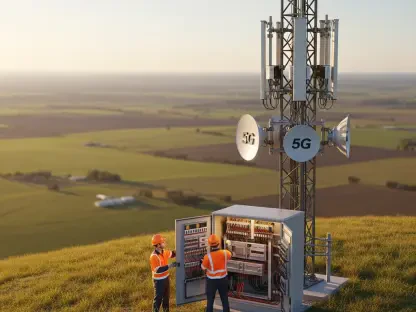
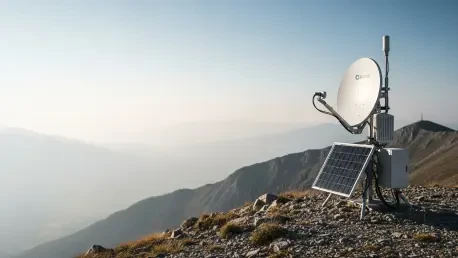
The fundamental structural flaw of traditional telecommunications lies in its reliance on monolithic, centralized infrastructure that is both expensive and difficult to scale in rugged environments. To address this, the World Mobile Network employs a dynamic, hybrid architecture that blends various hardware solutions to create a seamless blanket of coverage. Instead of a one-size-fits-all approach using standard ground towers, the network integrates diverse assets such as low-altitude aerial platforms and specialized long-range radio technology. This multi-layered strategy allows for data transmission across difficult terrains, including dense forests and isolated mountain ranges, where laying fiber optic cables would be financially ruinous. By diversifying the physical methods of connection, the network achieves a significantly lower cost per square kilometer, proving that connectivity can be both high-quality and economically viable in the most remote corners of the globe.
A critical component of this infrastructure is the shift toward a community-owned model, which effectively turns local residents into stakeholders rather than mere consumers. This sharing-economy framework incentivizes local entrepreneurs to host and maintain the hardware required for the network to function. For instance, AirNodes act as the primary interface for users, providing local wireless access through affordable, off-the-shelf equipment that can be set up in small businesses or community centers. By distributing the responsibility for deployment, the network avoids the slow, top-down decision-making processes of legacy providers. This organic growth model ensures that the network expands precisely where it is needed most, driven by actual local demand and supported by those who benefit directly from its presence. The result is a resilient, self-healing system that adapts to the specific needs of each geographical area.
Strategic Node Roles: Operations and Data Routing
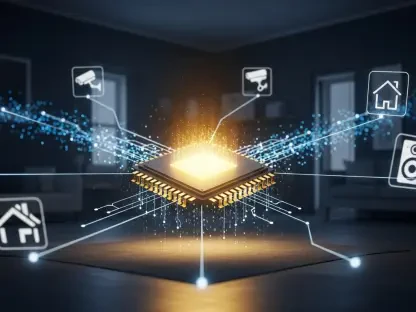
The operational integrity of the network is maintained through a specialized division of labor among different types of nodes, each serving a unique function within the ecosystem. While AirNodes handle the “last-mile” connection to the end user, EarthNodes function as the underlying intelligence of the entire system. These nodes are responsible for processing critical tasks such as digital identity verification, transaction validation on the blockchain, and general ledger maintenance. Because EarthNodes are decentralized, the network does not rely on a single data center that could become a point of failure. This distributed processing power ensures that the network remains secure and operational even if individual components face technical issues. Furthermore, the decentralized nature of these operations prevents any single entity from exerting undue control over the flow of information or the management of user data.
To ensure that data can travel efficiently across vast distances and between different local clusters, the network utilizes AetherNodes as high-capacity backhaul and routing hubs. These nodes act as the vital bridge between local access points and the broader global internet, managing the complex logistics of data packet movement. By optimizing the routing process, AetherNodes reduce latency and ensure a stable user experience even in regions with historically poor infrastructure. This modularity—separating the access, processing, and routing layers—allows the network to remain highly scalable and flexible. As the user base grows, additional nodes can be added to the system without requiring a complete overhaul of the existing framework. This approach not only enhances the technical reliability of the network but also reinforces the economic sustainability of the model by spreading operational rewards across a diverse group of participants.
Blockchain Integration and the World Mobile Chain
A Layer-3 Foundation: Digital Identity and Scalability
At the heart of this technological revolution is the World Mobile Chain, a sophisticated Layer-3 blockchain solution specifically engineered to handle the massive transaction volumes inherent in a global telecommunications network. Unlike general-purpose blockchains that may struggle with the speed and cost requirements of real-time data metering, this specialized chain provides a high-performance environment for coordinating network activity. It serves as an immutable “source of truth,” where every connection event and data transaction is recorded transparently and securely. By being fully EVM-compatible and operating on a scalable Layer-2 environment like Base, the chain offers developers a familiar landscape to build decentralized applications while ensuring that transaction fees remain negligible. This technical efficiency is paramount for a system that aims to serve billions of users, where even small inefficiencies could lead to prohibitive costs for the end user.
Beyond technical connectivity, the integration of blockchain technology facilitates a revolutionary approach to self-sovereign digital identity. In many parts of the developing world, the lack of a verifiable identity is a major hurdle that prevents people from accessing formal financial services, such as credit or insurance. The World Mobile Network solves this by anchoring privacy-preserving digital identities on the blockchain, giving users full ownership of their personal information. This identity layer allows individuals to build a digital reputation and prove their credentials without relying on a centralized government or corporate database. When a user connects to the network, their identity is verified on-chain, creating a secure gateway to a wide range of digital services. This transformation turns a simple mobile device into a powerful tool for financial inclusion, providing the necessary infrastructure for individuals to participate in the global economy with dignity and security.
Settlement and Security: The Role of Distributed Ledgers
The decentralized ledger does more than just store identities; it acts as the primary mechanism for settling the complex web of transactions that occur within a global telecom ecosystem. Every time a user consumes data or a node operator provides a service, the transaction is processed and recorded in real-time, ensuring that all parties are compensated accurately and fairly. This level of transparency is virtually nonexistent in traditional telecommunications, where billing processes are often opaque and prone to errors. By automating settlement through smart contracts, the World Mobile Network eliminates the need for expensive administrative departments and reduces the risk of fraud. The use of a distributed ledger ensures that no single entity can manipulate the records, providing a level of trust that is essential for a community-driven project. This reliability is the bedrock upon which the entire economic framework of the network is built.
Security is further enhanced through the consensus mechanisms inherent in the blockchain, which protect the network from malicious actors and ensure the integrity of data routing. EarthNode operators play a vital role here, as they must validate transactions and maintain the state of the blockchain to ensure everything runs smoothly. Because these operators are geographically dispersed and have a vested interest in the network’s health, the system is highly resistant to censorship and external interference. This robust security architecture is particularly important in regions where political instability or weak institutional oversight might otherwise threaten the availability of communication services. By decentralizing the security layer, World Mobile provides a stable and dependable platform that can withstand local disruptions. This commitment to security and transparency not only protects the users but also builds the long-term credibility necessary for widespread global adoption.
The Economic Engine of Global Connectivity
Utility and Incentivization: The Function of WMTX
The WMTX token serves as the essential utility asset that fuels the complex economic machinery of the World Mobile ecosystem. Far from being a mere speculative instrument, the token is integrated into every facet of the network’s operation, from transaction settlement to the execution of smart contracts. Every interaction within the network—whether it is a user purchasing a data package or an EarthNode processing a block—requires WMTX to facilitate the underlying transaction. This creates a direct and measurable link between the physical expansion of the network and the utility of the token. As more regions are brought online and the total volume of data consumption increases, the demand for WMTX naturally scales alongside it. This functional necessity ensures that the token remains a core component of the network’s long-term sustainability, providing a clear economic incentive for all participants to support and grow the platform.
To maintain a healthy and expanding infrastructure, the network utilizes WMTX as a primary reward mechanism for the individuals and businesses that provide the physical hardware. Node operators receive tokens in exchange for maintaining high uptime, providing reliable coverage, and performing necessary computational tasks. This incentivization model is designed to align the interests of the hardware owners with the needs of the end users. For example, an AirNode operator in a small village is motivated to keep their equipment running perfectly because their earnings are directly tied to the volume of data their neighbors consume. This create a self-sustaining cycle where the quality of the service is constantly optimized by those on the ground. By distributing the economic benefits of the network among the community members who build it, the project ensures that wealth is kept within the local economy rather than being siphoned off by distant corporate entities.
Network Governance and Security through Staking
Participation in the core functions of the network requires more than just hardware; it demands a commitment to the integrity of the system through a process known as staking. EarthNode operators, who are responsible for the critical task of validating transactions and maintaining the blockchain, must stake a significant amount of WMTX tokens to participate in the consensus mechanism. This “skin in the game” serves as a powerful deterrent against malicious behavior, as any attempt to compromise the network would result in a loss of the operator’s staked assets. This security model ensures that those with the most influence over the network’s operations are also the most invested in its continued success and stability. It creates a trustworthy environment where users can be confident that their data and transactions are being handled by honest actors who are financially motivated to uphold the highest standards.
Looking ahead, the success of this decentralized telecom model provides a blueprint for how other essential utilities might be managed in the future. Organizations and governments should consider the implications of community-owned infrastructure as a way to bridge service gaps in underserved regions. For those looking to implement similar systems, the primary focus should be on creating clear economic incentives that reward participation while maintaining rigorous security standards through decentralized consensus. Moving forward, the integration of blockchain with physical infrastructure will likely expand beyond telecommunications into areas like energy distribution and water management. Stakeholders should prioritize the development of interoperable standards that allow these decentralized networks to communicate and share data seamlessly. By embracing the principles of the sharing economy and distributed technology, global society can build more resilient, equitable, and transparent systems that serve the needs of all people, regardless of their geographic location.