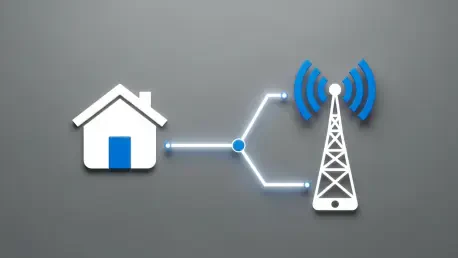

The sudden entry of a major regional broadband player into the highly competitive mobile sector signals a transformative era for residential telecommunications across the United States. Sparklight, which currently provides high-speed internet to over a million subscribers, has introduced Sparklight Mobile to capitalize on its existing fiber-optic footprint and customer loyalty. This new service model prioritizes transparency and affordability, catering to a demographic that is increasingly frustrated by the hidden costs and long-term commitments often mandated by legacy cellular providers. By offering a no-contract, prepaid solution that integrates directly with home internet accounts, the company is positioning itself as a comprehensive utility provider. This transition indicates that the future of connectivity lies in seamless transitions between home Wi-Fi and nationwide cellular data, ensuring that users remain online regardless of their physical location or the specific device they are using at any given moment.
Market Disruption Through Simplified Pricing Models
Tiered Data Plans: A Strategy for Accessibility
The pricing structure introduced by Sparklight Mobile serves as a direct challenge to the premium pricing tiers maintained by the big three national wireless carriers. By offering simplified monthly options, such as 1 GB for fifteen dollars, 5 GB for twenty-five dollars, or an unlimited plan for thirty dollars, the service targets budget-conscious consumers who require reliable data without the burden of excessive overhead costs. To further stimulate adoption among its existing internet base, the company has implemented an aggressive promotion offering one year of free unlimited service to eligible subscribers. This tactic not only encourages immediate sign-ups but also serves to lock in internet customers who might otherwise consider switching to competing broadband providers. The strategy emphasizes the value of the bundle, where the combination of high-speed home fiber and mobile connectivity creates a cost-effective ecosystem that is difficult for standalone mobile operators to match in terms of localized value and convenience.
Beyond the initial price points, the long-term viability of this model depends on its ability to sustain a high level of customer satisfaction through transparent billing practices. Unlike traditional mobile contracts that often involve complex activation fees or tiered loyalty discounts that are difficult to track, the current framework is designed for simplicity. The absence of long-term contracts allows users to adjust their data plans based on their actual monthly usage, providing a level of flexibility that is rare in the telecommunications sector. This consumer-centric approach is particularly effective in the 2026 market, where individuals are prioritizing financial agility and rejecting the restrictive nature of traditional two-year agreements. By removing these traditional barriers, the service fosters a sense of autonomy for the user, while the centralized billing system reduces the administrative burden of managing multiple utility accounts. This streamlined experience is a key differentiator that could redefine how regional providers compete on a national stage.
Consumer Empowerment: Removing Traditional Barriers
A critical component of this new wireless offering is the initiative that permits customers to maintain their existing hardware and phone numbers through a seamless transition process. This approach acknowledges that many modern consumers already own high-end smartphones and are hesitant to engage in the trade-in cycles or financing plans that have historically anchored them to specific carriers. To support this flexibility, the company introduced an optional insurance program known as Mobile Device Care, which provides a safety net for those utilizing their own equipment. This program covers everything from cracked screens and battery degradation to internal technical malfunctions for a modest monthly fee based on the device’s replacement value. By providing a comprehensive protection plan that mirrors the offerings of larger competitors, the service ensures that customers do not have to sacrifice security for the sake of lower monthly bills. This focus on hardware longevity aligns with modern sustainability trends and provides peace of mind.
The integration of technical support across both home and mobile platforms represents another significant advantage for the subscriber base in this competitive environment. When a user experiences a connectivity issue, they can now rely on a single point of contact for their entire digital life, rather than navigating the disparate support systems of multiple companies. This holistic support model is bolstered by a nationwide network partnership that ensures consistent coverage even when customers travel outside of their primary regional service areas. The reliability of this network, combined with the underlying fiber infrastructure that powers the home experience, creates a robust foundation for modern digital activities like remote work, telehealth, and online education. As the demand for constant connectivity grows, the ability of a regional provider to deliver a national-grade mobile experience becomes a powerful tool for retention. Ultimately, the success of this expansion will be measured by how well it simplifies the complexities of the digital age for a million-plus households.
Strategic Evolution of Integrated Communications
Infrastructure Synergy: Leveraging Fiber for Mobile Success
The underlying success of a mobile rollout for a broadband company often hinges on the strength of its existing wired infrastructure and its ability to offload data effectively. By utilizing a dense network of fiber-powered access points, Sparklight Mobile can ensure that high-bandwidth activities are handled efficiently, reducing the strain on the cellular network and maintaining high speeds for the end user. This technical synergy allows the company to offer competitive unlimited plans at a lower price point than companies that must lease every bit of data they transmit. Furthermore, the localized nature of the service provider means that infrastructure upgrades can be targeted to specific community needs, ensuring that rural and suburban areas receive the same level of attention as major metropolitan hubs. This commitment to local infrastructure development serves as a cornerstone for building long-term trust with a customer base that has historically felt overlooked by the massive national telecommunication conglomerates.
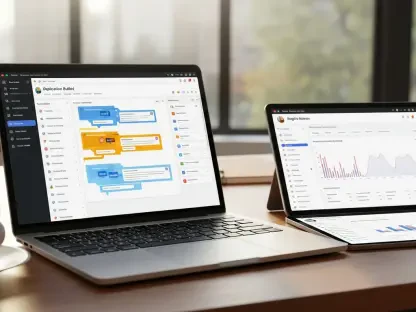
Moreover, the transition to an integrated mobile provider allows for the development of innovative features that enhance the domestic internet experience. For example, the ability to manage home Wi-Fi settings, security protocols, and mobile data usage through a single unified application provides users with unprecedented control over their digital environment. This level of integration is essential for the modern smart home, where dozens of devices rely on constant, high-speed connectivity to function correctly. By acting as the central hub for all communications, the company creates a “sticky” ecosystem that discourages churn and encourages users to adopt additional services as they become available. This strategy of deep integration is not just about selling a phone plan; it is about becoming an indispensable part of the consumer’s daily life. As the boundary between the home and the outside world continues to vanish, providers who can offer a consistent experience across all environments will likely emerge as the dominant forces in the industry.
Future Outlook: Navigating a Unified Connectivity Landscape
The launch of this mobile service established a new benchmark for how regional broadband companies could successfully pivot toward integrated telecommunications. Stakeholders and industry analysts observed that the removal of credit checks and activation fees significantly lowered the entry barrier for underserved populations, fostering a more inclusive digital environment. For consumers looking to optimize their monthly expenses, the primary recommendation was to audit current data usage and evaluate the potential savings of a converged internet and mobile bill. Moving forward, the focus shifted toward the expansion of localized 5G enhancements and the continued integration of smart home technologies into the mobile ecosystem. By prioritizing flexibility and affordability, the initiative demonstrated that a customer-first approach could effectively challenge the dominance of national giants. Residents were encouraged to take advantage of the introductory offers to test the network reliability before committing their entire household to the new platform.