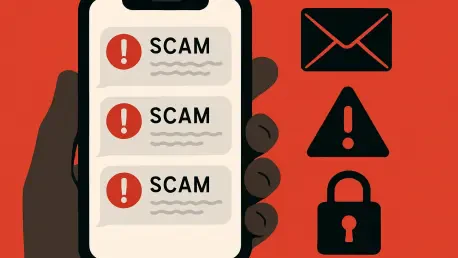

In a startling breach of digital security, thousands of New York residents recently found themselves on the receiving end of deceptive text messages that appeared to come from trusted sources, creating widespread alarm. These scam texts, sent through a compromised mass-messaging platform called Mobile Commons, mimicked official communications from banks and organizations, urging recipients to respond to urgent transaction issues. The platform, frequently used by the State of New York and various nonprofits, became a conduit for fraud when hackers infiltrated its systems. Within just a few hours, approximately 160,000 users received these fraudulent messages before the threat was neutralized. This incident has raised significant concerns about the vulnerability of verified messaging systems and the sophistication of modern cyber threats. As scammers increasingly target legitimate communication channels, understanding the nature of this attack and how to respond is crucial for safeguarding personal information.
1. The Mechanics of the Mobile Commons Breach
The breach of Mobile Commons, a widely used text messaging service, exposed a critical flaw in systems trusted by government bodies and nonprofits for official communications. Hackers, likely employing spear-phishing or social engineering tactics, gained unauthorized access to the platform’s infrastructure. Their presence lasted only about four hours, but that window proved sufficient to distribute fake banking alerts regarding declined transactions. These messages prompted recipients to call or reply to a now-disconnected 888 number, a classic tactic to harvest sensitive information. Unlike typical scams originating from unknown numbers, these texts were sent via legitimate short codes—numbers pre-approved by mobile carriers for trusted communications. This made the messages appear authentic and less likely to be flagged as spam, increasing their potential to deceive unsuspecting users and highlighting the growing audacity of cybercriminals in exploiting established systems.
The aftermath of the Mobile Commons breach revealed the scale and speed at which such attacks can impact a large population. Reports indicate that around 160,000 individuals received the scam texts, a number that underscores the reach of platforms like Mobile Commons when weaponized by malicious actors. The short codes used in this incident are part of a regulated system overseen by the US Short Code Registry, which has noted a troubling rise in account takeover attempts by unauthorized entities. These short codes, meant to ensure trust and reliability in SMS communications, became a double-edged sword as their legitimacy lent credibility to the fraudulent messages. This incident serves as a stark reminder that even regulated and verified systems are not immune to exploitation. As threat actors refine their methods to target such infrastructures, the need for heightened vigilance and robust security measures becomes ever more apparent to prevent future breaches of this nature.
2. Official Actions and Platform Response
Following the detection of unauthorized access, Mobile Commons acted swiftly to mitigate the damage caused by the breach. The company temporarily halted all outgoing messaging as a precautionary measure to prevent further distribution of scam texts. In a public advisory posted on its service status page, it confirmed that access to the platform was unavailable while enhanced security upgrades were implemented. Importantly, the company assured users that no customer or subscriber data had been compromised during the incident. Inbound messages continued to be received and queued, ensuring some continuity of service. This rapid response aimed to contain the threat, but it also disrupted regular communications for many organizations relying on the platform, illustrating the broader impact of such security incidents on operational functionality and public trust in digital systems.
As the situation evolved, Mobile Commons provided updates on the restoration of services, reflecting a commitment to transparency during the crisis. Within a short period, platform access was resolved for most users, although outgoing messaging for US communications remained unavailable temporarily. The company promised to notify customers once full service was restored and scheduled further updates to keep stakeholders informed. Additionally, Mobile Commons initiated a comprehensive security review with external partners to identify vulnerabilities and strengthen safeguards. This proactive stance is critical in rebuilding confidence among users and organizations that depend on the platform for mass communication. The incident has also sparked discussions about the need for stricter oversight of messaging systems and the implementation of advanced security protocols to deter future attacks, ensuring that such breaches do not recur with similar ease.
3. Safeguarding Against Deceptive SMS Threats
For individuals concerned about falling prey to similar SMS scams, adopting proactive measures can significantly reduce risks associated with fraudulent communications. A fundamental step is to refrain from responding to unsolicited messages that request confirmation of transactions or personal details, regardless of how legitimate they appear. Instead, verification should always be sought directly through official channels, such as a bank’s website or customer service hotline. Additionally, installing security software designed to detect and block phishing or smishing attempts can provide an extra layer of protection. Tools like Bitdefender Mobile Security offer real-time defense against malicious texts and links. Keeping mobile operating systems updated and enabling multi-factor authentication for sensitive accounts further fortifies personal defenses against cyber threats that exploit trusted communication channels.
Beyond individual actions, awareness of the evolving tactics used by scammers is essential for staying ahead of potential threats. The use of verified short codes in this incident demonstrates how cybercriminals are adapting to bypass traditional spam filters and user skepticism. Recognizing that even messages from seemingly official numbers can be fraudulent is a critical mindset to adopt. Users are also encouraged to report suspicious texts to relevant authorities or service providers, contributing to broader efforts to track and dismantle scam networks. As messaging platforms and mobile carriers enhance their security frameworks, individual vigilance remains a cornerstone of protection. By combining personal caution with technological safeguards, the likelihood of becoming a victim of such sophisticated scams can be minimized, fostering a safer digital environment for all.
4. Reflections on a Digital Wake-Up Call
Looking back, the Mobile Commons breach served as a sobering reminder of the vulnerabilities inherent in digital communication systems that millions rely on daily. The incident, which affected a staggering number of New York residents, exposed how quickly trust in official channels could be exploited by determined cybercriminals. The swift distribution of scam texts through legitimate short codes caught many off guard, emphasizing the need for constant evolution in cybersecurity strategies. Moving forward, both users and service providers must prioritize the development of more resilient systems to prevent such breaches from recurring. Collaborations between platform operators, mobile carriers, and security experts will be essential in fortifying defenses. For individuals, staying informed about emerging threats and adopting protective habits proved to be indispensable steps in navigating an increasingly complex digital landscape.