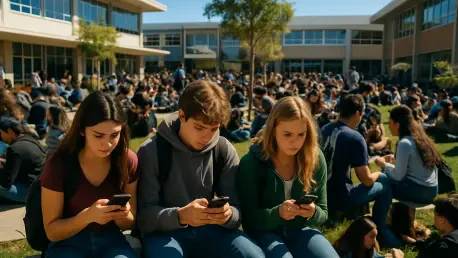

What happens when a tiny device holds the power to both connect and distract an entire generation of students? In high schools across California, smartphones have become a battleground for focus versus freedom, with districts like Palo Alto Unified School District (PAUSD) at the forefront of this debate. A policy restricting phone use during class time, while allowing it during breaks, has ignited discussions that ripple far beyond classroom walls. This isn’t just about gadgets—it’s about shaping how young minds learn, communicate, and stay safe in a digital world.
Why This Debate Hits Hard
The stakes of phone policies in schools have never been higher. With a state mandate from Governor Gavin Newsom requiring California districts to limit on-campus phone use by mid-2025, PAUSD’s approach—finalized on November 4—offers a glimpse into how schools are wrestling with technology’s double-edged sword. Smartphones can derail lessons with a single notification, yet they’re also lifelines for emergencies and personal needs during non-instructional time. This tension mirrors broader societal questions about screen time, mental health, and the role of education in teaching digital responsibility. Getting this balance right matters, as it could define student success for years to come.
Inside PAUSD’s Policy: A Classroom Compromise
PAUSD’s rule is clear-cut: no phones during instructional time, but they’re fair game during breaks like lunch, as long as students adhere to school and state guidelines. This middle-ground stance aligns with the state’s push to curb distractions without imposing a full “bell-to-bell” ban. The policy aims to protect the sanctity of learning while acknowledging that phones aren’t just toys—they’re tools for modern life.
The upside is evident. Research consistently shows that students who stash their phones during class stay more engaged, often boosting test scores by avoiding the trap of multitasking. PAUSD’s restriction creates a space where lessons can take center stage, free from the buzz of social media or texts. It’s a step toward fostering concentration in an era of constant digital noise.
However, enforcing such a rule isn’t without hurdles. Teachers often find themselves playing phone police, a role that can sidetrack teaching. Plus, students may need devices for valid reasons even during school hours—think coordinating rides or checking in with family. PAUSD’s allowance for break-time use seeks to address this, offering flexibility while still drawing a firm line during class.
Hearing from the Heart of the School
Voices from PAUSD paint a vivid picture of why this policy resonates. Senior student William Xue appreciates the classroom ban, noting it keeps his focus sharp without feeling overly restrictive. But he’s quick to push back against a full-day ban, stressing how vital phones are for staying connected or navigating schedules outside lessons. His perspective highlights a practical need that stricter rules might overlook.
Similarly, senior Zoe Jovanovic underscores safety as a key concern. Having a phone accessible during breaks provides peace of mind, whether it’s reaching out during an emergency or simply staying in touch. Her view reflects a common sentiment among peers—that phones, when managed right, are less a distraction and more a necessity in today’s world.
Assistant Principal Jerry Berkson adds an administrative lens, arguing that a bell-to-bell ban would be overkill. Enforcing such a rigid policy could bog down staff with trivial monitoring, pulling focus from bigger priorities like student well-being or academic growth. His stance, alongside student input, shows a rare alignment: the current policy seems to hit a sweet spot for many at PAUSD.
Beyond the Ban: Why Total Restrictions Fall Short
Proposing a full-day phone ban has surfaced in some discussions, but it’s met with resistance at PAUSD. Such a move could cut students off from critical communication, especially during non-instructional periods when emergencies or logistical needs arise. Imagine a student unable to confirm a ride home or contact a parent after an unexpected event—practicality demands some access. The class-time-only limit sidesteps this pitfall, preserving autonomy without sacrificing classroom order.
Moreover, overly strict rules risk breeding resentment rather than compliance. Students might feel distrusted or micromanaged, which could erode the very focus schools aim to protect. PAUSD’s approach, by contrast, signals trust in students to manage their devices responsibly during allowed times, potentially fostering a healthier dynamic between rules and personal responsibility.
Lessons for Other Schools: Building Better Policies
PAUSD’s experience offers a roadmap for high schools nationwide grappling with similar challenges. Start by setting crystal-clear boundaries—define exactly when and where phones are off-limits, prioritizing instructional hours. Communicating these expectations to students, families, and staff ensures everyone’s on the same page, reducing friction from the get-go.
Safety can’t be an afterthought. Policies must carve out space for emergencies or essential communication during breaks. Designated phone zones or specific times for usage could strike a balance, allowing access without chaos. It’s about recognizing that phones aren’t just distractions—they’re often indispensable in a pinch.
Finally, collaboration is key. Involving students, teachers, and administrators in crafting rules, as PAUSD did, builds buy-in. Hosting open forums or gathering feedback through surveys can reveal what’s working and what isn’t. Pair this with education on responsible phone use—think workshops on digital wellness—and schools can shift from punishment to empowerment, equipping students to handle technology wisely.
Reflecting on a Policy That Worked
Looking back, PAUSD’s decision to limit phone use solely during class time stood as a thoughtful compromise. It tackled the undeniable distraction of smartphones while preserving their value outside lessons. Students like William Xue and Zoe Jovanovic voiced relief at maintaining access during breaks, while administrators like Jerry Berkson saw the policy as both practical and enforceable. Moving forward, other schools might take a page from this playbook—test flexible rules, listen to stakeholders, and prioritize education over rigid bans. The challenge of technology in education isn’t going away, so finding adaptable solutions remains the next crucial step for districts everywhere.