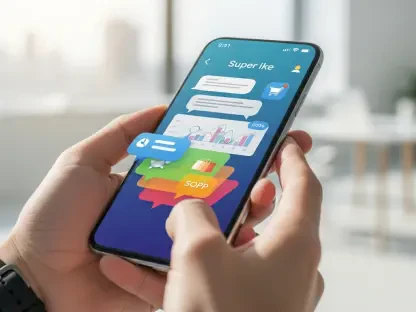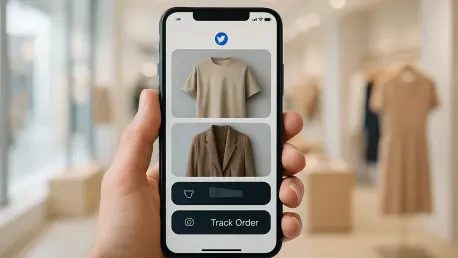

The modern consumer now expects a level of digital intimacy and technical fluidity that the traditional Short Message Service can no longer provide in an increasingly visual world. For several decades, SMS functioned as the foundational pillar of mobile connectivity, offering a reliable but strictly text-based method for organizations to reach their audiences. However, the emergence of Rich Communication Services (RCS) represents a monumental shift in the telecommunications paradigm, moving beyond the archaic 160-character limit that once defined mobile marketing. This evolution is not merely a technical upgrade; it is a comprehensive reimagining of the mobile inbox as a secure, interactive, and branded ecosystem. As brands navigate this transition from 2026 to 2028, the focus moves from simple push notifications to deep, data-driven engagements that prioritize the user experience. By leveraging the native capabilities of modern smartphones, enterprises can finally bridge the gap between the simplicity of a text message and the rich functionality of a dedicated mobile application.
Building Foundations for Modern Mobile Outreach
Establishing Trust and Enhancing Engagement
The primary obstacle to effective mobile marketing has always been the friction of the unknown, where consumers receive texts from unidentifiable five-digit codes that often look like phishing attempts. RCS effectively dismantles this psychological barrier by introducing the Verified Sender Profile, which allows a brand to display its official name, high-resolution logo, and a visible verification checkmark directly within the message header. This transparency creates immediate brand recognition and removes the inherent suspicion that has plagued mobile communication since its inception. When a recipient sees a familiar corporate identity instead of a random string of numbers, the likelihood of engagement increases exponentially because the “safe space” for commerce is clearly defined. This verification process is managed through carrier-grade standards, ensuring that bad actors cannot easily spoof high-value brands, thereby restoring a sense of security to the mobile messaging environment that was previously lost to spam and fraudulent activities.
Legacy SMS was essentially a broadcast medium—a one-way street where brands pushed alerts to users with little hope of a meaningful reply or complex interaction. RCS transforms the nature of the message into an ongoing, two-way dialogue, allowing brands to transition from being a simple “sender” of information to a proactive “partner” in the customer’s daily journey. This full spectrum of interactive features enables businesses to handle customer service inquiries, facilitate real-time sales, and manage complex logistics all within the same conversation thread. For example, a delivery update can instantly become a service opportunity if the customer needs to reschedule a drop-off, a process that would require multiple steps or external links in an SMS world. By keeping the user within the messaging app, brands significantly reduce the drop-off rates associated with switching between different browsers or applications, which in turn increases the lifetime value of the customer relationship and maximizes the return on every message sent.
Streamlining the User Journey Through Interaction
The transition to a more conversational interface necessitates a shift in how marketing and support teams conceptualize their outreach scripts and customer flows. Unlike the rigid structure of traditional messaging, RCS allows for the implementation of suggested reply buttons and action chips that guide the user through a logical sequence of choices without requiring them to type a single word. This reduction in “input friction” is a critical component of modern engagement, as it caters to the fast-paced, mobile-first lifestyle of the current consumer base. When a brand provides clear, tappable options like “Check Balance,” “View Rewards,” or “Speak to Agent,” it empowers the user to control the interaction while simultaneously providing the business with structured data on user intent. This level of sophistication turns the messaging app into a lightweight service portal that is always available, requiring no login or separate download, which effectively lowers the barrier to entry for any promotional or service-related campaign.
Furthermore, the capability to handle rich media natively means that high-definition images, video clips, and even interactive maps can be used to enrich the conversation in real-time. Instead of sending a cryptic link to a map, a brand can send a dynamic location card that the user can interact with to find the nearest physical store or service center. This immersion is not just about aesthetics; it is about providing functional value that simplifies the consumer’s life. By integrating these rich elements, companies can move away from the “interruption marketing” model—where a text message is seen as a nuisance—to a “utility marketing” model, where the message provides a genuine service or solution. As organizations refine these interactions from 2026 to 2027, the emphasis will continue to lean toward creating a seamless experience where the boundary between a message and a full-featured application becomes increasingly indistinguishable to the end user.
Design Standards and Automated Scalability
Adopting Design-First Strategies and Smart Automation
For years, mobile messaging was exempt from the rigorous design standards applied to emails and websites, but RCS turns the inbox into a high-fidelity design environment that demands aesthetic excellence. Brands must now embrace a “design-first” philosophy, treating their messages as mini-applications that feature high-resolution images, videos, and interactive carousels that allow users to swipe through product catalogs natively. This approach requires a fundamental shift in creative strategy to produce professional templates that deliver high-impact, personal context at scale while maintaining the brand’s visual identity. The goal is to leverage intuitive smartphone behaviors—such as the swipe and the tap—to drive conversions within the thread. When a user can browse a new clothing line or select a seat for a flight through a visually rich carousel, the messaging experience becomes a premium touchpoint rather than a low-quality fallback, setting a new benchmark for mobile engagement.
The complexity of managing interactive buttons, carousels, and multi-step scrolling elements makes manual oversight impossible at a global scale, requiring the deep integration of smart automation and pre-set templates. Templates serve as a reliable blueprint for repetitive tasks like order confirmations, appointment reminders, or shipping updates, ensuring that the brand voice remains consistent across millions of touchpoints. For more nuanced and unpredictable interactions, Artificial Intelligence must be deployed to guide the customer in real-time, providing an “app-like” experience that responds instantly to natural language queries. This synergy between structured templates and conversational AI allows for high-volume outreach that remains highly responsive and deeply personal to every individual user. By automating the technical execution of these rich features, businesses can focus their human resources on high-level strategy and creative development rather than the minutiae of individual message delivery.
Optimizing the Creative Workflow for Rich Media
Successfully deploying a design-heavy messaging strategy requires a tight integration between creative departments and technical implementation teams to ensure that assets are optimized for various devices. Since different handsets and carriers may render rich media slightly differently, the use of flexible templates that can adapt to screen sizes and bandwidth constraints is essential for maintaining a high-quality user experience. Creative teams must move beyond the “copy-only” mindset of the SMS era and begin thinking in terms of “storyboarding” a message sequence, much like they would for a social media ad or a television commercial. This means considering how a video will loop, how a carousel’s first image will entice a swipe, and how the call-to-action buttons will look against different background themes. This level of detail ensures that the brand’s premium image is protected and that the technical capabilities of the RCS protocol are being utilized to their fullest potential.
In addition to visual design, the timing and frequency of these rich messages must be carefully calibrated through automated systems to avoid overwhelming the recipient. Because RCS messages are much more prominent and engaging than standard texts, they carry a higher risk of being perceived as intrusive if sent too frequently or at inappropriate times. Automation platforms now allow for sophisticated “frequency capping” and “time-of-day” optimization, ensuring that a high-resolution promotional video arrives when the user is most likely to be receptive. By using data-driven triggers—such as a user’s proximity to a store or a recent purchase on a website—brands can ensure that their rich content is always contextually relevant. This strategic layering of design and automation transforms the messaging inbox into a powerful conversion engine that respects the user’s preferences while delivering a high-quality brand experience that legacy systems could never support.
Data Integration and the Future of Messaging
Utilizing Analytics and Setting New Standards
One of the most profound advantages of RCS over legacy messaging is the level of transparency and granular data it provides to the sender, finally shedding light on what was previously a “black box” of communication. In the past, confirming whether a message was actually seen was often impossible, but RCS provides specific metrics such as exact reach, read receipts, and real-time open rates. Brands can monitor how users interact with specific “suggested actions,” such as “Track Package” or “Buy Now,” to gauge the precise effectiveness of their campaigns and identify where users might be dropping off in a conversation flow. By analyzing these data points at scale, companies can move beyond guesswork and enter a cycle of constant optimization, refining their messaging based on what actually drives results. This shift toward a data-centric approach allows for a much more scientific method of mobile outreach, where every element of a message can be A/B tested for maximum impact.
The move toward RCS represents a unified, intelligent, and authenticated standard that aligns brand outreach with the high expectations of the modern, tech-savvy consumer who demands visual and interactive clarity. This evolution bridges the gap between a brand’s backend services and the customer’s immediate needs by turning the messaging inbox into a primary hub for commerce, support, and long-term loyalty. As the industry moves forward into 2027 and 2028, the brands that succeed will be those that view every message not just as a notification, but as a strategic asset for building trust. By prioritizing authenticated identity and rich dialogue, organizations can create a more transparent marketplace where the consumer feels empowered and the brand remains highly relevant. This new standard of digital communication ensures that the relationship between a business and its audience is built on a foundation of clarity, functionality, and mutual value, ultimately redefining the future of mobile engagement.
Implementing Actionable Insights for Future Growth
To fully capitalize on the transition to Rich Communication Services, organizations should immediately audit their existing SMS workflows and identify which touchpoints would benefit most from a rich media upgrade. A logical starting point is the transformation of high-volume transactional messages, such as shipping notifications or appointment confirmations, into verified RCS threads that offer one-tap rescheduling or tracking. By starting with these high-utility interactions, brands can build a baseline of trust and familiarize their audience with the new interactive features before moving into more complex promotional campaigns. It is also recommended that businesses establish a centralized repository for rich assets and verified templates to ensure brand consistency across different regions and departments. This proactive approach will allow teams to scale their efforts rapidly as more carriers and devices fully adopt the protocol throughout the remainder of 2026.
Beyond the technical implementation, enterprises must cultivate a culture of “conversational intelligence” by training their customer service and marketing teams to interpret the new wealth of data provided by RCS metrics. Understanding the “why” behind a user’s engagement—whether they preferred a video over an image or a specific suggested reply over another—will be the key differentiator in a crowded digital landscape. Companies should also explore the integration of their CRM systems with their messaging platforms to ensure that every RCS interaction is logged and used to further personalize future outreach. The ultimate goal is to move away from generic, mass-market blasts toward a highly segmented, individualized communication strategy that feels like a personal service. By focusing on these actionable steps today, brands can ensure they are not just reacting to a technological shift, but are leading the way in the next era of professional mobile engagement.