
Embarking on a journey to China presents a unique set of challenges and opportunities for the modern traveler, demanding a level of digital and financial preparedness far beyond that required for other long-haul destinations. The country operates within a distinct and self-contained digital ecosystem, powered by a nearly cashless economy where the smartphone is not merely a convenience but the central tool for navigating daily life. For visitors, this reality means that arriving without a reliable, independent mobile data connection is akin to arriving without a wallet, a map, or a translator. It is the foundational utility that underpins almost every interaction, from hailing a ride and paying for a meal to communicating with locals and accessing essential services. Understanding and preparing for this digital dependency is the single most critical step in ensuring a journey that is smooth, safe, and deeply rewarding, transforming potential frustrations into seamless experiences.
Bridging the Digital Divide
Overcoming the Great Firewall
The most immediate and significant adjustment for international visitors is navigating China’s unique internet environment, often referred to as the “Great Firewall.” This sophisticated system of online censorship blocks a vast array of Western websites and applications that are typically integral to daily life and travel. This includes the entire Google suite, meaning no access to Google Search, Gmail, or the indispensable Google Maps. Major social media and communication platforms such as Facebook, Instagram, X (formerly Twitter), and WhatsApp are also inaccessible. This digital blockade necessitates a fundamental shift in a traveler’s online toolkit. To stay connected and navigate the country, one must embrace local alternatives. WeChat, a ubiquitous super-app, replaces WhatsApp for messaging, while Baidu serves as the primary search engine. A stable mobile data connection is the only reliable gateway to these services, as well as to crucial tools like real-time translation apps. While public Wi-Fi exists, it can be slow, unreliable, and often requires a local phone number for registration, making an independent data plan an absolute necessity. Modern solutions like digital eSIMs allow travelers to secure a data plan before departure, ensuring immediate connectivity upon landing and bypassing the logistical hurdles of finding and purchasing a local SIM card.
This digital landscape requires more than just a technical workaround; it demands a proactive change in mindset and preparation before the journey even begins. Travelers must anticipate their digital needs and equip their devices with the necessary Chinese applications well in advance. This involves downloading and familiarizing oneself with apps like WeChat, Alipay for payments, and Baidu Maps for navigation. In many cases, setting up accounts for these services can be challenging without a local phone number, so researching the latest procedures for international users is a crucial pre-trip task. For those who need to access blocked Western services, a Virtual Private Network (VPN) is essential. However, it is important to note that the effectiveness of VPNs can vary, and a stable, high-speed mobile data connection is the non-negotiable foundation upon which a VPN operates. Without reliable data, even the best VPN is rendered useless. This preparatory phase is not merely about convenience; it is about building a functional digital toolkit that transforms the challenge of the Great Firewall from a major impediment into a manageable aspect of the travel experience, allowing for a smoother and more self-sufficient journey.
The Key to a Cashless World
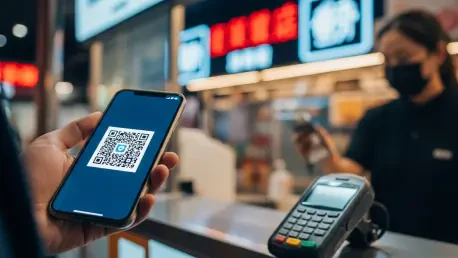
China has rapidly evolved into one of the world’s most advanced mobile payment societies, where digital transactions have almost entirely replaced physical currency. The concept of a cashless economy is not a future trend but a present-day reality. From luxury shopping malls and five-star hotels to neighborhood noodle shops and street-side fruit vendors, payments are predominantly made by scanning a QR code with a smartphone. The two dominant platforms, Alipay and WeChat Pay, are integrated into nearly every facet of commerce. For an international visitor, this presents a significant logistical hurdle. While major international hotel chains and some high-end retailers in Tier 1 cities may still accept foreign credit cards, relying on them for daily expenses is highly impractical and often impossible. Attempting to pay for a taxi, a cup of coffee, or a souvenir with a physical card will frequently be met with confusion or polite refusal. Consequently, a functioning smartphone with a constant data connection becomes your de facto wallet. Every digital payment, receipt, and financial interaction is powered by this connectivity, making it the central pillar of your purchasing power throughout the country.
Navigating this digital-first financial ecosystem requires careful planning. While it has become easier for foreigners to link international credit cards to Alipay and WeChat Pay accounts, the process can still have its complexities, and it is vital to complete this setup before traveling. Travelers should verify the latest policies and ensure their bank is aware of their travel plans to prevent their cards from being frozen due to fraud detection algorithms. Despite the dominance of mobile payments, it remains highly advisable to carry a sufficient amount of Chinese Yuan (RMB) as a reliable backup. This physical currency is essential for the rare instances where digital payments are not accepted or in case of a technical failure with your device or the payment app. A multi-layered financial strategy that combines a properly configured mobile payment app with a reserve of cash is the most resilient approach. This preparedness ensures that you can operate confidently within China’s modern economy, where your ability to transact is directly tied to your ability to get online. The mobile data connection is not just for making payments; it is for managing your entire financial experience in real-time.
Navigating the Modern Landscape
Your Pocket Guide and Transit Pass
China is renowned for its state-of-the-art transportation infrastructure, featuring the world’s largest high-speed rail network and incredibly efficient, clean, and expansive urban metro systems. This modern marvel of engineering makes traveling across the country and within its megacities remarkably convenient. However, the sheer scale and complexity of these networks can be daunting for a first-time visitor, especially when compounded by the language barrier and the inaccessibility of familiar navigation tools. Google Maps, the default navigation app for most Western travelers, does not function in China. This makes a reliable mobile data connection absolutely critical for accessing alternative mapping applications like Baidu Maps or Amap. These local apps provide indispensable real-time information, including the most efficient subway routes, live bus schedules, and walking directions through labyrinthine city streets. Your smartphone, powered by a constant data stream, transforms into an essential pocket guide, allowing you to navigate sprawling train stations, find the correct metro platform, and explore with the confidence of a local. Without this digital tool, a simple journey can quickly become a confusing and stressful ordeal.
The utility of a mobile data connection extends far beyond simple mapping and directional guidance; it streamlines the entire travel logistics process. For long-distance journeys on the high-speed rail network, having online access allows you to book tickets in advance through official or third-party apps, a practice that is highly recommended to avoid sold-out trains and the long queues and potential language barriers at station ticket counters. Within cities, ride-hailing applications such as Didi Chuxing are often more convenient and transparent than traditional taxis. These apps provide upfront fare estimates, GPS tracking, and an in-app payment system, eliminating the need for cash or difficult conversations about directions with the driver. A live data connection is the engine that powers all of these services. It enables you to track your train’s status, call a car to your exact location, and receive real-time updates on traffic or public transport delays. In essence, your data plan consolidates the roles of a travel agent, a ticket kiosk, and a city guide into a single, accessible device, making for an exceptionally efficient and independent travel experience.
Breaking the Language Barrier
While English is sometimes spoken in major tourist destinations and international hotels in cities like Beijing and Shanghai, the language barrier remains one of the most significant challenges for travelers venturing through most of China. In everyday situations such as ordering from a local restaurant menu, shopping in a market, or asking a passerby for directions, Mandarin or a local dialect is the exclusive medium of communication. This can be an isolating experience and can limit a traveler’s ability to engage with the culture on a deeper level. In this context, technology serves as an invaluable bridge. Real-time translation apps are no longer a novelty but an essential tool for basic communication. These powerful applications can translate spoken phrases, text on signs, and items on a menu with remarkable accuracy. However, their effectiveness is entirely contingent on a stable and fast mobile data connection, as they rely on cloud-based processors to function. Your smartphone becomes your personal interpreter, facilitating the small but crucial interactions that define a travel experience and allowing for a degree of independence that would otherwise be impossible.
Beyond simple linguistic translation, a consistent internet connection allows for a more profound cultural translation, enriching the journey and fostering more respectful interactions. Having access to online resources enables travelers to quickly learn about local customs, social etiquette, and historical context. For example, a quick online search can explain the significance of a particular temple, provide guidance on the proper etiquette for a tea ceremony, or detail the cultural norms of business interactions, such as the ritual of exchanging business cards with two hands. This instant access to information helps visitors move beyond the surface-level tourist experience and become more informed and conscientious guests. It allows for a greater appreciation of the nuances of Chinese culture and helps avoid unintentional cultural missteps. This deeper understanding, facilitated entirely by the ability to get online, transforms a trip from a simple sightseeing tour into a more meaningful and immersive cultural exchange, breaking down barriers that extend far beyond spoken words.
Ensuring a Safe and Smooth Journey
Your Digital Safety Net
Beyond its role in navigation and commerce, a reliable mobile data connection serves as a crucial component of a traveler’s personal safety net. In an unfamiliar environment, the ability to quickly access information during an unexpected situation can make a significant difference. Should a medical issue arise, an internet connection allows you to instantly locate the nearest hospital or pharmacy, use a translation app to describe your symptoms, and contact your travel insurance provider to understand your coverage. In the event of a lost passport or other emergency, you can access contact information for your country’s embassy or consulate and retrieve digital copies of your important documents stored securely in the cloud. This immediate access to vital resources provides an invaluable layer of security and peace of mind. Mobile data also enables you to receive real-time travel alerts from your government or news outlets, keeping you informed of any potential disruptions or safety concerns in the region. In essence, your smartphone transforms from a communication device into a comprehensive emergency response tool, ensuring you are never truly isolated, even when miles from home.
This digital safety net extends to proactive measures that help prevent problems before they occur, contributing to an overall smoother and more secure journey. A stable data connection allows you to maintain situational awareness by checking weather forecasts before embarking on a day trip, verifying the opening hours of attractions, or reading recent reviews to confirm the legitimacy and quality of a tour operator or restaurant. This ability to access up-to-the-minute information helps you make more informed decisions and avoid common travel pitfalls. Furthermore, connectivity allows you to stay in regular contact with family and friends back home, providing them with updates on your itinerary and well-being. This communication is not only reassuring for loved ones but also serves as an additional safety measure, as they are aware of your location and plans. From managing unforeseen emergencies to making smarter, safer choices on a daily basis, a reliable mobile data plan is the invisible thread that connects you to a world of information and support, underpinning a secure and well-managed travel experience from beginning to end.
The Connected Traveler’s Advantage
The journey through China’s hyper-modern landscape ultimately revealed that contemporary travel preparedness has fundamentally evolved. Success was no longer measured by the contents of one’s suitcase but by the robustness of one’s digital toolkit. The experience underscored that a reliable mobile data connection was not a luxury but the critical enabler that unlocked the nation’s complexities. It was the key that allowed for seamless navigation of cashless transactions, deciphered the intricate web of public transit, and bridged the profound language and cultural divides. Those travelers who anticipated this digital-first environment and equipped themselves accordingly were the ones who navigated with confidence and ease. They transformed potential obstacles into opportunities for deeper engagement, turning what could have been a frustrating ordeal into a rich and immersive adventure, proving that in today’s China, connectivity was synonymous with capability.