
With a deep background in mobile technology, from app development to hardware design, Nia Christair has a unique perspective on the intricate dance between tech giants and their users. We sat down with her to unravel a confusing and concerning new chapter in Apple’s software update philosophy. The conversation explores the serious security implications of Apple’s recent update strategy, the reasons users consciously choose to remain on older operating systems, and the peculiar, risky workarounds that have emerged as a result. Ultimately, we touch on what this all signals for the future of user choice within Apple’s famously walled garden.
The report mentions users on iOS 18 are being pushed to iOS 26.2, bypassing the iOS 18.7.3 security update. Could you elaborate on the security implications of this, particularly concerning the two WebKit bugs, and explain the dilemma this creates for users?
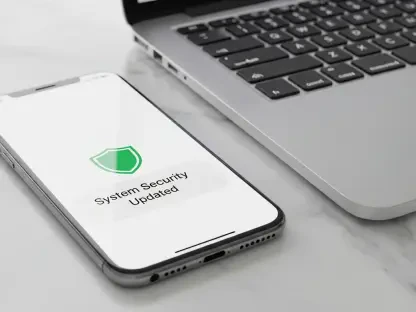
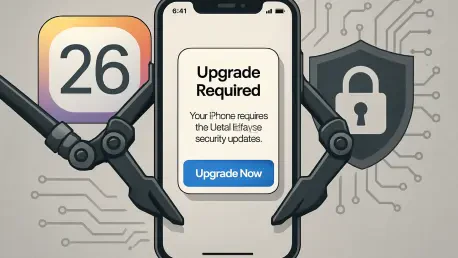
Absolutely. The situation is quite serious because we’re not talking about minor bugs. The two WebKit vulnerabilities fixed in these updates were reportedly being actively exploited, potentially targeting specific individuals. WebKit is the engine that powers the Safari browser, so a vulnerability there can be triggered simply by visiting a malicious website. By withholding the iOS 18.7.3 patch from newer phones, Apple is essentially forcing users into an all-or-nothing choice: either upgrade to an entirely new operating system you’ve consciously avoided, or remain exposed to known, active threats. It creates a terrible dilemma, pitting a user’s right to control their device and software environment against their fundamental need for security.
Jason Snell highlights that users who consciously remain on older iOS versions for reasons like app compatibility are now forced to upgrade. From your experience, what are the primary reasons users delay major updates, and what does this move signal about Apple’s approach to user choice versus security?
It’s a fantastic point, and it gets to the heart of the user experience. The reasons for delaying are incredibly valid and varied. For some, it’s a critical third-party app that hasn’t been updated yet and is essential for their work. For others, it’s a matter of stability; they’d rather wait a few months for the initial bugs in a major new OS to be ironed out. And honestly, sometimes it’s just personal preference—they might dislike a new design element, like the “Liquid Glass” aesthetic, or prefer the familiar workflow of the older system. This move from Apple feels like a significant philosophical shift. It signals that the company is prioritizing a unified, streamlined ecosystem over individual user autonomy, effectively saying that their vision of security for the entire user base outweighs an individual’s conscious decision to manage their own device.
A workaround using the iOS 18 public beta to access the 18.7.3 update is described. Can you walk us through the potential risks of this method and explain why Apple’s own security page suggests this workaround might be an unintended bug?
This workaround is incredibly messy and speaks to the confusion Apple has created. By signing up for the public beta program, you’re essentially telling Apple you’re a tester. While it might grant you access to the 18.7.3 update, it also puts your device on a development track that isn’t intended for the general public. This could introduce instability or other unforeseen issues down the line. What’s most telling is that Apple’s own security documentation states that iOS 18.7.3 is only for older devices that can’t run iOS 26. This strongly suggests the beta workaround is a loophole, a bug in their system, not an intended path. Relying on an apparent glitch to get a critical security fix is a precarious position for any user to be in.
What is your forecast for Apple’s software update strategy? Do you anticipate the company will continue to more aggressively funnel users to the latest OS for security, or will user feedback lead them to maintain parallel security tracks for older, still-supported operating systems?
I believe this is a test balloon for a more aggressive, unified update strategy. From Apple’s perspective, having millions of users on the latest OS simplifies development, support, and, most importantly, security deployment. It creates a much harder target for attackers. While the backlash from the power-user community is real, Apple has a long history of making decisions it believes are for the greater good of its ecosystem, even if it alienates a vocal minority. Therefore, my forecast is that they will likely continue this push. They may offer a slightly longer grace period in the future, but the era of maintaining parallel security updates for multiple older, capable OS versions is probably drawing to a close. They’re betting that for the vast majority of users, the simplicity and security of the latest OS will always be the winning argument.