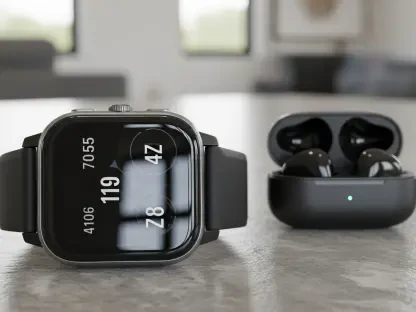

In a landmark shift that promises to reshape the user experience across the European Union, Apple is preparing to roll out significant changes within its iOS 26.3 beta that directly address long-standing complaints about its closed ecosystem. These updates are not a product of spontaneous innovation but rather a calculated response to the immense regulatory pressure exerted by the EU’s Digital Markets Act (DMA). For the first time, critical functionalities such as reliable notification forwarding to third-party wearables and seamless pairing for non-Apple accessories will become available, fundamentally altering the competitive landscape. This move signals a pivotal moment, forcing Apple to dismantle parts of its “walled garden” and grant rivals a level of access previously unimaginable, thereby offering European consumers greater freedom and choice in how they interact with their most personal device.
The Regulatory Catalyst for Change
The recent wave of platform-opening features from Apple can be traced directly to the stringent requirements of the European Union’s Digital Markets Act. This sweeping legislation has formally designated Apple as a “gatekeeper,” a title that carries with it a heavy set of obligations designed to ensure fair competition and prevent the company from leveraging its platform dominance to disadvantage rivals. The DMA specifically targets the very practices that have defined Apple’s ecosystem, compelling the tech giant to provide third-party hardware and software with meaningful access to core iOS functions. The European Commission has made it clear that non-compliance is not an option, with the threat of substantial financial penalties looming over any gatekeeper that fails to adhere to the law. Consequently, the introduction of features in the iOS 26.3 beta is a direct compliance measure, addressing two key DMA mandates: ensuring third-party hardware can fully utilize platform features and enabling users to easily switch to a competing platform while taking their personal data with them.
Apple’s response to this regulatory pressure has been strategic and geographically contained, reflecting a broader pattern of minimal compliance rather than a global philosophical shift towards interoperability. The decision to geofence these new features, making them available exclusively within the European Union, aligns with the company’s past actions concerning DMA-driven changes. While Apple continues to publicly frame its closed ecosystem as a fundamental pillar of user security and privacy, it is being compelled by regulators to engineer “verifiable, non-discriminatory access routes” that balance these concerns with the DMA’s pro-competition mandates. The European Commission views this as a “rolling process,” suggesting that its scrutiny is far from over. The Commission has reportedly expressed satisfaction with these initial steps, reinforcing the clear cause-and-effect relationship: persistent regulatory investigation leads directly to tangible changes that benefit consumers and competitors alike within the EU’s digital market.
Leveling the Playing Field for Accessories
Among the most significant updates is the introduction of Notification Forwarding, a feature that strikes at the heart of what made the Apple Watch an almost indispensable companion for iPhone users. For years, the seamless and reliable mirroring of notifications from an iPhone to a user’s wrist was a cornerstone advantage of staying within Apple’s hardware ecosystem. Third-party wearables from established companies like Garmin, Polar, and Fitbit often struggled with inconsistent or limited alert functionality, creating a significant “usability tax” for consumers who preferred a specialized sports watch or a different style of smartwatch. The iOS 26.3 beta dismantles this exclusive perk by opening up the necessary APIs. This change empowers third-party developers to provide a user experience on par with the Apple Watch, at least concerning this core function. For EU consumers, this means the freedom to choose a wearable based on its specific merits—be it advanced fitness tracking, superior battery life, or design—without sacrificing the essential connectivity to their iPhone.
Complementing the changes to notifications, the new Proximity Pairing feature democratizes the elegant and effortless setup process that was once the exclusive domain of Apple’s own AirPods and Beats products. The simple act of opening a case near an iPhone to trigger a slick, on-screen pairing card has been a powerful tool for customer retention and a key differentiator. The update now extends this streamlined experience to any compatible third-party accessory. This allows competing hardware to present users with a similar fast-pairing interface and simplified permission prompts, drastically reducing the friction and potential confusion of traditional Bluetooth setup menus. For accessory manufacturers, this is a transformative opportunity. A frictionless out-of-the-box experience can directly lead to higher sales conversion, improved customer satisfaction, and reduced support costs associated with complex onboarding. It also allows them to market their products more effectively, leveraging phrases like “Works with iPhone Proximity Pairing” to signal a new level of integration and user-friendliness to consumers.
Breaking Down the Barriers to Switching
In a direct response to the Digital Markets Act’s stringent data portability requirements, Apple has also engineered a significantly retooled “Transfer to Android” process. This is far more than a minor tweak to an existing utility; it represents a comprehensive overhaul designed to make it substantially easier for users to migrate their entire digital life from an iPhone to a competing Android device. The enhanced process aims to provide a more complete transfer of personal data, including vast photo libraries, contacts, and other essential information that has historically been difficult to move seamlessly between the two ecosystems. By simplifying this migration, Apple is effectively lowering the “switching cost”—a powerful barrier that has long kept users locked into the iOS ecosystem. The inconvenience and potential data loss associated with changing platforms have often been enough to deter even dissatisfied customers from making a move. This new tool changes that dynamic, providing users with a more practical and less daunting pathway to exit the ecosystem if they choose.
These developments culminated in a significant victory for European regulators and delivered long-overdue benefits to consumers. The practical, real-world impact of the DMA was made tangible as accessory manufacturers began integrating the new capabilities, allowing iPhone users in the European Union to experience a more flexible and open technological environment. Non-Apple devices paired more easily, third-party smartwatch notifications became more reliable, and the option to switch to a rival platform was rendered less intimidating. This shift reflected the concrete outcome of a focused regulatory effort to dismantle digital monopolies and foster a marketplace where competition could thrive on merit, not on ecosystem lock-in. The changes ultimately provided a blueprint for how assertive regulation could reshape the practices of tech giants, leading to a more equitable and consumer-friendly digital future.