
When it comes to mobile matters, Nia Christair is the expert, with experience spanning mobile gaming, app development, and the intricate design of devices and hardware. Today, we’re diving into the burgeoning field of AI wearables. We’ll explore the strategic chessboard as tech giants like Apple and OpenAI place their bets, dissecting the hardware choices that will define these new devices. We’ll also consider the hard lessons learned from past failures in this space and what Apple’s ambitious launch plans suggest about its confidence in creating the next big thing in consumer tech.
OpenAI is expected to announce AI hardware this year, with a potential Apple device not arriving until 2027. What are the strategic risks and potential benefits for Apple in entering the market later? Please elaborate on the first-mover advantage in this emerging category.
Entering the market in 2027, potentially years after a competitor like OpenAI, carries significant risk. OpenAI could define consumer expectations for what an AI wearable is and does, capturing the crucial early adopter market and setting the standard. However, this is classic Apple strategy. The benefit of waiting is immense; they get to watch others make the painful, public mistakes. They can learn from the stumbles of companies like Humane AI and even from OpenAI’s first-generation product, allowing them to refine the technology, nail the user experience, and answer the critical “why” before they even announce. Apple rarely needs to be first; it aims to be the best, and a later entry gives them the time to do just that.
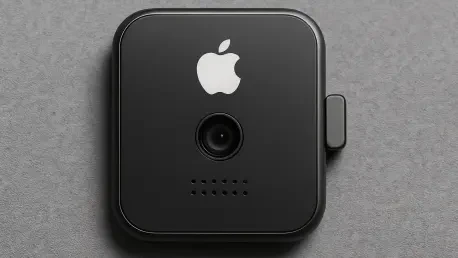
The rumored pin is described as a small disc with two cameras, three microphones, and a physical button. How do these specific hardware choices suggest its intended use cases, and what technical or privacy challenges might this combination of sensors present for users?
This combination of hardware paints a very clear picture of a device built for ambient computing and capturing the world around you. The dual cameras, one standard and one wide-angle, suggest sophisticated visual analysis—not just for taking photos, but for recognizing objects, translating text, or even providing contextual information about your surroundings. The three microphones point toward high-fidelity voice control and potentially advanced noise cancellation to isolate commands. A physical button is a critical choice for reliable, tactile interaction, ensuring you can activate it without looking. The biggest hurdle here is, without a doubt, privacy. An always-on device with multiple cameras and mics worn on your clothing is a massive privacy concern. Apple will have to be incredibly transparent and build robust, on-device processing and clear physical indicators to show when it’s active to earn user trust.
The Humane AI pin, created by Apple alums, failed to gain traction and the company ultimately shut down. Given this precedent, what key product or marketing strategies must Apple employ to convince consumers they need a wearable AI pin where others have failed?
The ghost of the Humane pin looms large over this entire category. Its failure proved that cool technology isn’t enough; you need a compelling reason to exist. For Apple to succeed, it can’t just be a gadget. It has to be an indispensable tool that seamlessly integrates into the ecosystem people already love. It needs to solve problems your iPhone or Apple Watch can’t, or solve them in a dramatically better, more frictionless way. Marketing will be key. They must avoid the abstract, philosophical messaging that plagued Humane and instead focus on clear, tangible use cases. Show, don’t just tell, how this pin makes your daily life easier, more informed, or more connected. It has to feel less like a new device to manage and more like a natural extension of your own capabilities.
A potential launch volume of 20 million units is significant for an entirely new product category. What does this figure suggest about Apple’s confidence and go-to-market strategy, and what logistical hurdles would need to be overcome to achieve that scale?
A 20-million-unit launch is an astonishingly confident move. That number tells you Apple doesn’t view this as a niche product or a public beta test; they see it as a mainstream consumer device from day one, on the scale of an Apple Watch or AirPods launch. This signifies a massive internal belief that they’ve cracked the code on a product that people will actually want to buy in huge numbers. The logistical challenge of achieving that scale is monumental. It requires locking down supply chains for custom components years in advance, perfecting a complex manufacturing process for a tiny, sensor-packed device, and coordinating a global marketing and distribution blitz. Pulling this off requires a level of operational mastery that very few companies on Earth possess.
What is your forecast for the AI hardware market?
My forecast is one of cautious but explosive potential. The next two years will be a period of fascinating and messy experimentation, with many failures along the way. We’ll see different form factors, from pins and earbuds to glasses, all trying to find that perfect balance of utility, privacy, and social acceptability. The ultimate winners won’t be those with the most advanced AI models, but those who wrap that AI in a product that is truly intuitive and solves a real human need. If a company like Apple can successfully blend its hardware prowess with a genuinely useful AI experience, we could see this market transition from a niche curiosity into a major new category of personal computing within the next five to seven years.