
Motorola’s decision to bypass two chip classes in a single generation with the Elite Extreme processor focuses heavily on the demands of on-device artificial intelligence. This strategic pivot comes at a time when the North American smartphone landscape has grown increasingly narrow, leaving enthusiasts with fewer premium “slab” options than ever before. Following the departure of major brands like LG and the more recent retreat of OnePlus from the United States market, a rigid triopoly of Apple, Samsung, and Google has solidified. For years, the lack of a legitimate fourth competitor has stifled innovation in the traditional flagship form factor, even as foldable technology gained a niche following. The Signature 27 aims to shatter this consolidation by offering a direct challenge to the established order, providing a high-performance alternative that prioritizes specifications, privacy, and long-term hardware reliability. By re-entering the high-end traditional smartphone space with such a formidable device, the company is signaling that the era of settled market shares might finally be coming to a close for consumers who demand uncompromising power without the constraints of the dominant ecosystems.
A Generational Leap: Processing Power Reimagined
The integration of the Snapdragon 8 Elite Extreme Gen 6 marks a significant technological milestone, as it is the first mobile processor to successfully implement a 2nm architecture on a commercial scale. This transition to a smaller node allows for a much higher transistor density, which translates directly into superior energy efficiency and reduced thermal output during heavy workloads. Unlike standard iterations that offer incremental percentage gains, the Elite Extreme variant represents a fundamental shift in how mobile silicon handles complex computational tasks. By skipping intermediate steps in chip development, Motorola has provided a hardware foundation that effectively eliminates the performance bottlenecks seen in earlier flagship generations. This move ensures that the device can sustain peak performance during intensive applications, such as high-frame-rate gaming or real-time high-definition video rendering, without the aggressive thermal throttling that often plagues other high-end devices in this category.
Beyond raw speed, the true value of the Snapdragon 8 Elite Extreme Gen 6 lies in its significantly enhanced Neural Processing Unit. This dedicated hardware for artificial intelligence allows the Signature 27 to process sophisticated machine learning models locally on the device, rather than relying on cloud-based servers. This on-device approach not only increases processing speed but also enhances user privacy, as sensitive data never leaves the local environment. The massive leap in NPU capabilities enables advanced features like live voice translation, predictive text systems that learn from local habits, and complex image recognition tools that operate instantaneously. As software developers increasingly integrate AI-driven features into daily applications, having this level of hardware overhead ensures the Signature 27 remains capable of handling future software demands. This focus on future-proofing the hardware suggests that the device is built to remain relevant and fast throughout its entire operational lifespan, rather than becoming obsolete after a few annual software updates.
Practical Design: Balancing Form and Function
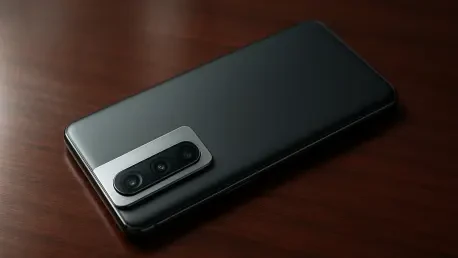
One of the most immediate improvements in the Signature 27 involves a complete redesign of the rear camera housing to address longstanding ergonomic concerns. Previous flagship models often featured large, square camera islands that created an uneven weight distribution and caused the device to wobble significantly when placed on a flat surface. Motorola has resolved this by introducing a sleek, edge-to-edge horizontal camera bar that spans the top of the chassis. This design choice not only provides a more symmetrical and balanced aesthetic but also ensures that the phone remains perfectly stable during desk use. By aligning the various lenses and sensors horizontally, the engineers have managed to distribute the internal components more effectively, resulting in a device that feels more natural in the hand. This change demonstrates a commitment to functional design over purely stylistic trends, focusing on the practical ways that users interact with their smartphones every day.
The aesthetic identity of the Signature 27 continues to benefit from an exclusive partnership with Pantone, allowing for a range of sophisticated colorways that are unique in the mobile industry. However, the premium feel of the device extends beyond mere color, incorporating high-quality materials that prioritize durability and tactile feedback. The back panel features a refined glass-and-metal construction that resists fingerprints while providing enough grip to prevent accidental drops. This attention to detail reflects a broader strategy to position the device as a luxury tool rather than just another piece of consumer electronics. The ergonomics are further enhanced by subtle curves at the edges of the display, which make gestures more fluid without the accidental touch issues often associated with more aggressive “waterfall” screens. By combining these refined physical attributes with a robust internal frame, the company has created a flagship that feels substantial and durable, meeting the high expectations of professional users in the North American market.
Imaging Excellence: Challenging the Ultra Standards
The primary camera system of the Signature 27 is anchored by the 50MP Sony LYTIA 910 sensor, which has been specifically tuned to maximize dynamic range and color accuracy. This sensor utilizes a larger physical footprint than its predecessors, allowing it to capture more light in challenging environments, which is essential for high-quality night photography and indoor scenes. Unlike some competitors that prioritize artificial sharpening, Motorola has opted for a more natural processing style that preserves fine details and realistic textures. This hardware-first approach to imaging ensures that the baseline quality of every photograph is high, providing a reliable foundation for the computational photography algorithms to enhance. The result is a primary camera that performs consistently across a wide variety of lighting conditions, offering the kind of professional-grade results that were previously reserved for dedicated camera equipment or the most expensive Ultra-branded devices.
While the primary sensor is impressive, the 200MP periscope telephoto lens is what truly sets this device apart from its contemporaries. This high-resolution sensor allows for an incredible level of digital and optical zoom, utilizing pixel-binning technology to create sharp, detailed images even at extreme distances. By capturing a massive amount of raw data, the camera software can crop into a scene without the pixelation and blurring that usually occurs with standard zoom lenses. This capability is particularly useful for wildlife photography, sporting events, or capturing architectural details from afar. The inclusion of such a powerful telephoto system signals a direct intent to compete with the most advanced mobile imaging suites available today. Furthermore, the quad-camera array includes an ultra-wide lens and a dedicated macro mode, ensuring that users have the versatility to capture everything from sprawling landscapes to the smallest intricate details. This comprehensive imaging package addresses the diverse needs of modern content creators and photography enthusiasts alike.
Connectivity and Hardware: Redefining Signal Stability
A critical but often overlooked aspect of the Signature 27 is the introduction of a 6Rx antenna layout, which significantly improves cellular performance compared to the industry-standard four-antenna configurations. This advanced hardware setup allows the device to maintain multiple simultaneous connections to different 5G bands, resulting in more stable data speeds and reduced latency. For users in areas where cellular coverage is inconsistent or heavily congested, the additional antennas provide a tangible advantage in maintaining a reliable link to the network. This technology was initially refined in the company’s foldable series and has now been scaled up for the flagship slab format to ensure that high-bandwidth tasks are never interrupted. Whether streaming high-definition content on the go or participating in a critical video conference, the enhanced signal reception provides a level of reliability that is essential for a professional-grade smartphone in a hyper-connected environment.
The real-world implications of this 6Rx technology are particularly evident in the way the device handles transitions between different network types and environments. The Signature 27 can lock onto a signal faster when emerging from an elevator or subway, and it maintains higher throughput at the edges of a cell tower’s range. This technical superiority is a response to the varied 5G infrastructure across North America, where network quality can change drastically within a single city block. By investing in better antenna hardware, Motorola is addressing a fundamental user requirement that is often sacrificed for thinner designs or lower production costs. The focus on robust connectivity extends to the latest Wi-Fi and Bluetooth standards, ensuring that the device interacts seamlessly with a broad ecosystem of accessories and smart home products. This commitment to hardware-level reliability ensures that the Signature 27 is not just powerful in theory but remains highly functional in the unpredictable conditions of daily life.
Privacy and Persistence: A Software Revolution
In a landmark shift for the industry, the Signature 27 has become the first non-Pixel device to officially support GrapheneOS, providing a unique option for users who prioritize privacy and security above all else. GrapheneOS is a hardened version of Android that removes various tracking mechanisms and enhances the underlying security of the operating system. Historically, this software was limited to Google’s own hardware due to the specific security requirements of the bootloader, but Motorola has engineered the Signature 27 to meet these rigorous standards. This partnership offers a sanctuary for corporate users, government officials, and privacy-conscious individuals who were previously restricted to a single hardware manufacturer. Users have the freedom to choose between the standard MyUX experience, which offers a clean and feature-rich take on Android, or the fortified GrapheneOS environment, allowing for a level of software sovereignty that is virtually unheard of in the mainstream flagship market.
Complementing this breakthrough in privacy is a dramatic expansion of the device’s software lifecycle, with a guarantee of seven full years of Android OS updates and security patches. This policy directly addresses the most common criticism of Motorola’s past flagship efforts, which often suffered from short support windows and infrequent updates. By aligning its support policy with the best in the industry, the company is treating the Signature 27 as a long-term investment rather than a disposable piece of tech. This seven-year commitment ensures that the hardware, which is already overpowered for today’s tasks, will remain secure and modern until at least 2033. For consumers who are increasingly keeping their phones for longer periods, this longevity provides significant value and peace of mind. The combination of hardware-level security, the option for a privacy-focused OS, and an industry-leading update cycle positions the Signature 27 as a remarkably ethical and sustainable choice in a market often dominated by planned obsolescence.
Strategic Impact: Reshaping the Mobile Ecosystem
The market entry of the Signature 27 represented a successful effort to restore competitive variety to the North American smartphone sector. By integrating 2nm silicon, a sophisticated 200MP imaging system, and a revolutionary approach to software privacy, the device moved beyond being a mere alternative and became a legitimate trendsetter. It addressed critical consumer pain points regarding hardware stability and software longevity, forcing other manufacturers to reconsider their own support cycles and design priorities. The introduction of the 6Rx antenna layout also raised the bar for cellular performance standards, proving that internal hardware refinement was just as important as external aesthetics. This launch demonstrated that a well-executed flagship could thrive by listening to enthusiast feedback and delivering a product that balanced raw power with meaningful, long-term utility for the user.
Moving forward, the industry felt the ripple effects of this release as consumers began to demand more flexibility in their software choices and better hardware longevity. The successful partnership with GrapheneOS proved that high-level security was a viable selling point for the general public, not just a niche interest for tech specialists. For buyers looking for their next primary device, the Signature 27 offered a clear path toward a more private and durable mobile experience. This shift encouraged a broader conversation about the importance of open hardware standards and the value of a competitive market. As a result, the landscape became more dynamic, with manufacturers realizing that the only way to maintain dominance was through genuine innovation rather than market consolidation. The Signature 27 ultimately served as a blueprint for how a legacy brand could reinvent itself and provide the high-end competition that the mobile industry desperately required.