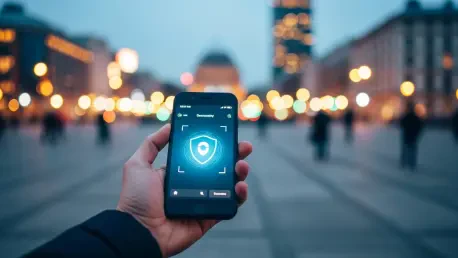

Modern smartphones have transformed from simple communication tools into the central repositories of personal, financial, and professional identities, making them the ultimate prize for street-level criminals. While digital threats like malware often dominate the headlines, the physical snatching of a device remains one of the most immediate and devastating risks to a user’s digital life. Losing a phone today is no longer just an expensive hardware replacement issue; it represents a potential total compromise of bank accounts, private messages, and sensitive cloud storage.
The significance of this subject has grown as mobile payment systems and two-factor authentication codes have become standard on handheld devices. A thief who gains access to an unlocked phone can often bypass traditional security layers by resetting passwords through the very device they just stole. This creates a critical vulnerability that requires more than just a strong lock screen password to mitigate effectively. Industry experts note that the window of time between a physical theft and a digital breach is shrinking, necessitating automated defenses that act faster than a human can react.
This exploration delves into the latest advancements in Android security that aim to close the gap between physical loss and data compromise. From artificial intelligence that recognizes the physical motion of a robbery to biometric hurdles that prevent unauthorized setting changes, the current landscape offers a robust toolkit for proactive protection. By examining these integrated features, users can better understand how to transform their devices from passive targets into active participants in their own defense.
Implementing Advanced AI and Sensor-Based Guardrails
Leveraging Motion Analytics to Prevent Physical Theft
A groundbreaking shift in mobile security involves the use of onboard accelerometers and gyroscopes to detect the specific kinetic signatures associated with a “snatch-and-run” incident. This technology, often referred to as Theft Detection Lock, uses machine learning models to identify a sudden jolt followed by rapid acceleration, which typically characterizes a phone being grabbed and taken away by a person on foot or a bicycle. When these sensors register such a pattern, the system instantly triggers a lock screen command, ensuring that the thief is left with a bricked device rather than an open gateway to the owner’s personal information.
Data from early implementations suggest that these AI-driven systems are remarkably effective at distinguishing between a phone falling off a table and a deliberate theft attempt. Technical analysis indicates that the high-frequency vibrations and specific directional shifts during a forced grab are distinct enough for modern processors to interpret in real-time. This level of automation addresses the primary flaw in traditional security: the fact that most phones are snatched while the screen is active and the user is distracted, leaving the device fully authenticated and vulnerable.
Despite the technical prowess of motion analytics, some debates persist regarding the balance between sensitivity and user experience. There are concerns that overly aggressive detection could lead to accidental lockouts during intense physical activity or while driving on bumpy roads. However, the prevailing industry view is that a temporary inconvenience is a small price to pay for the assurance that a device will secure itself the moment it leaves its rightful owner’s hand.
Hardening Access Through Biometric Identity Checks
To address the risk of a thief observing a user’s PIN or pattern before stealing the device, a new layer of protection called Identity Check has emerged as a critical safeguard. This feature mandates biometric authentication—such as a fingerprint or facial scan—before anyone can access high-stakes settings like changing the Google account password or disabling find-my-device protocols. Even if a criminal manages to peek at a PIN over a shoulder, they are barred from locking the original owner out of the account or wiping the device for resale without the physical presence of the authorized user’s biometric markers.
This approach reflects a major shift in the mobile industry toward “intent-based” security, where the context of the action determines the level of verification required. For instance, many systems now include a mandatory delay for sensitive changes when the device is in an unfamiliar location. If a user is at home, the system might be more lenient, but if the device is in a public square, it raises the drawbridge, demanding multiple biometric checks over an hour-long period to deter sophisticated criminals.
While these biometric hurdles significantly increase the difficulty for a thief, they do introduce new competitive factors for manufacturers. The reliability of under-display fingerprint sensors and the security of 2D versus 3D facial recognition become paramount when these sensors are the only thing standing between a criminal and a total account takeover. Experts suggest that as these features become standard, the demand for high-integrity biometric hardware will likely drive further innovation in sensor technology.
Utilizing Remote Lockdown Protocols in Emergency Scenarios
Remote locking has evolved from a basic web-based toggle into a multi-layered emergency protocol that can be initiated from almost any internet-connected device. The modern Remote Lock feature allows a user to secure their device using only their verified phone number and a pre-configured security question, bypassing the need to remember complex Google account credentials during a high-stress moment. This ensures that even if a user is separated from all their hardware, they can still prevent unauthorized access by using a friend’s phone or a public computer.
Emerging trends in this space indicate a move toward more granular remote controls, where owners can not only lock the device but also trigger a “lost mode” that displays contact information or plays a loud sound to attract attention. Furthermore, the integration of custom security questions adds a human-centric layer of verification that is difficult for automated hacking tools to bypass. This creates a fail-safe mechanism that prioritizes speed, which is the most critical factor in the minutes following a physical theft.
Industry dynamics reveal that regional differences in infrastructure influence how these remote protocols are deployed. In areas with high connectivity, cloud-based locking is nearly instantaneous, whereas in regions with spotty cellular coverage, the system relies more heavily on local triggers. Regardless of the geography, the move toward simplified remote access points represents a significant improvement over legacy systems that required users to navigate complex web portals while in a state of panic.
Securing the Device Perimeter During Network Blackouts
One of the most clever tactics used by modern thieves is the immediate activation of airplane mode or the removal of the SIM card to prevent the owner from tracking or locking the device. To counter this, Offline Device Lock has been introduced to automatically secure the screen the moment the device loses its data connection. This proactive measure ensures that a stolen phone cannot be manipulated in an “air-gapped” state, effectively closing a loophole that criminals have exploited for years.
Comparative analysis of this feature against traditional tracking methods shows that it provides a necessary safety net for the data itself, even if the hardware cannot be physically recovered. While tracking relies on an active signal to find a location, the offline lock functions locally, making it immune to signal jammers or remote areas. Speculative future directions for this technology include the use of low-power Bluetooth beacons that can communicate with nearby devices to report a stolen status even without a direct cellular link.
The value of this section lies in its focus on the “blackout” scenario, which is often overlooked in basic security guides. By ensuring the device perimeter remains secure even when disconnected from the grid, the system maintains a consistent defensive posture. Expert opinions suggest that as satellite connectivity becomes more common in smartphones, the distinction between “online” and “offline” will blur, but the need for locally triggered, sensor-based locking will remain a cornerstone of device integrity.
Establishing a Proactive Security Checklist for Daily Use
The most impactful takeaway for any user is that modern defense is not a single setting but a comprehensive ecosystem of tools that must be activated before a crisis occurs. A proactive strategy involves ensuring that Theft Detection Lock and Identity Check are fully configured, as these features provide the first line of defense against physical snatching. By taking five minutes to navigate through the system settings and verifying these toggles, users can significantly reduce the potential damage caused by a theft.
Actionable recommendations for daily use include the practice of “biometric-first” authentication, where users rely on fingerprints rather than PINs in public spaces to avoid being targeted by “shoulder surfers.” Additionally, setting up a trusted location for biometric delays can provide a seamless experience at home while maintaining high security in high-risk environments. It is also beneficial to periodically test the remote locking portal to ensure that the recovery phone number and security questions are up to date and functional.
Practical application of this knowledge also extends to hardware management, such as using a physical tether or a secure grip in crowded urban areas. However, digital safeguards remain the most effective deterrent, as a phone that cannot be accessed or resold has little value to a professional criminal. By applying these industry best practices, users move from being potential victims to being well-protected participants in a secure mobile environment.
Shifting the Paradigm from Reactive to Preventive Protection
The landscape of mobile security underwent a profound transformation as developers moved away from simple tracking tools and toward sophisticated, AI-driven prevention systems. It became clear that the goal of theft protection was no longer just finding a lost device, but ensuring that the data contained within remained inaccessible from the very second it left the owner’s possession. The introduction of motion analytics and biometric identity checks represented a critical maturation of the Android platform, effectively raising the cost and effort required for successful digital theft.
These advancements demonstrated that the future of security lay in the synergy between hardware sensors and intelligent software. The system evolved to understand the context of its environment, reacting to physical threats with the same precision it once reserved for digital viruses. This shift reinforced the ongoing importance of user education, as the most powerful tools in the world were only effective if they were properly enabled and understood by the person holding the device.
Moving forward, the focus should expand toward a broader integration of decentralized security networks and hardware-level encryption that remains unyielding even under physical duress. Users should consider these software features as part of a larger lifestyle change that prioritizes digital sovereignty. The final strategic takeaway is simple: the time to secure a device is today, long before the threat becomes a reality, by embracing the automated, intelligent guardrails that are already built into the palm of the hand.