
The unprecedented decision by Apple to provide critical security patches for an aging mobile operating system reflects a seismic shift in how the tech giant manages digital threats across its ecosystem. For years, the company followed a rigid hierarchy where the newest software received the most attention, leaving those on older versions to either upgrade their hardware or face mounting risks. However, the emergence of a specific, high-risk vulnerability has forced a departure from this tradition, proving that even the most disciplined security cycles must adapt to the realities of modern cyber warfare.
The GitHub Catalyst: Why Apple Is Breaking Its Own Security Protocols
The sudden appearance of the “DarkSword” exploit code on GitHub has effectively turned a private vulnerability into a public weapon, forcing Apple to abandon its long-standing update policy. While the tech giant traditionally reserves security backports for legacy devices incapable of running the latest software, the democratization of this specific hacking tool has created an immediate danger for millions of users still running iOS 18 on modern hardware. This public disclosure lowered the barrier for entry for malicious actors, transforming a theoretical risk into a functional toolkit available for any opportunistic hacker.
Consequently, the internal calculus regarding software support has changed. By making the exploit code accessible, the security community inadvertently pressured the manufacturer to protect a demographic it usually ignores during major upgrade cycles. This intervention signals that the presence of public exploit code on major repositories like GitHub is now a primary driver for emergency patching, regardless of the software version’s age.
Bridging the Security Gap for iOS Holdouts
For many users, the transition to a brand-new operating system like iOS 26 is often delayed due to app compatibility concerns or personal preference, creating a significant window of vulnerability. The DarkSword exploit, frequently paired with a secondary flaw known as “Coruna,” targets this exact demographic by leveraging sophisticated attack chains. By choosing to patch an older version of the software for current devices, Apple is acknowledging a shift in the threat landscape where the risk of widespread abuse outweighs the desire to push every user toward the newest firmware immediately.
Furthermore, this strategy addresses the reality that enterprise environments often lag behind in software adoption. When a significant portion of a professional workforce remains on a legacy platform for stability, a single unpatched exploit can compromise entire networks. Apple’s decision to bridge this gap ensures that productivity does not come at the expense of fundamental security, providing a buffer for those who cannot or will not migrate to the latest release.
The Mechanics of DarkSword: From WebKit Entry to System Compromise
The DarkSword exploit functions through a multi-stage attack pattern that typically begins with a vulnerability in WebKit, the engine that powers Safari and other mobile browsers. Once the initial entry point is established, the exploit chains multiple security flaws to escalate privileges, allowing unauthorized access to deeper layers of the operating system. This method of “chaining” makes the exploit particularly dangerous, as it bypasses standard sandbox protections and compromises the core integrity of the device without requiring user interaction beyond visiting a malicious site.
Moreover, the sophistication of these attack chains indicates a high level of research by the original authors. By targeting the rendering engine, the exploit gains a foothold in a process that is inherently designed to interact with external content. Once inside, the secondary stages of the attack systematically dismantle the device’s defensive layers, eventually granting the attacker the same level of control as the legitimate user.
Apple’s Strategic Shift: Insights from the Wired Confirmation
In a statement provided to Wired, Apple confirmed that this rare backporting of security fixes is a direct response to the heightened threat level facing “holdouts” on iOS 18. While company representatives continue to emphasize that iOS 26 offers the most advanced protections and the most robust defense-in-depth architecture, they admit that an interim safety net is necessary. This move highlights an increasing flexibility in Apple’s software support cycle, reflecting a new reality where the rapid spread of sophisticated exploits requires a more versatile defense strategy.
This admission also serves as a warning to the tech industry at large. The acknowledgment of a necessary safety net for older versions suggests that the “upgrade or be vulnerable” mantra is no longer a viable or ethical stance in a world of pervasive cyber threats. By providing these fixes, Apple demonstrated a commitment to device longevity and user safety that transcends simple marketing goals or the desire to drive adoption of the newest features.
Navigating Your Protection Options: How to Secure iOS 18
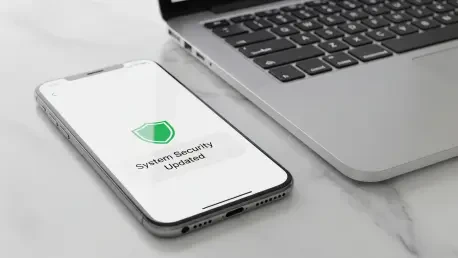
The implementation of the security patch provided a clear choice for users who maintained their current software environments. Those who utilized automatic update features received the necessary WebKit protections without any manual intervention, as the system silently integrated the fixes. For individuals who preferred a more hands-on approach, the settings menu offered a distinct choice between a targeted security update for the older OS or a transition to the comprehensive architecture of the latest firmware.
Ultimately, the deployment of this update ensured that the digital integrity of millions of devices remained intact despite the public release of dangerous tools. The reaction from the security community suggested that this proactive stance toward legacy software established a new precedent for the industry. This move protected users from the immediate threat of DarkSword while reinforcing the idea that software security was as adaptable as the threats it sought to prevent.