
The sudden disappearance of end-to-end encryption for Rich Communication Services in the latest developer release has sparked intense debate among security experts who expected a seamless rollout of cross-platform privacy features. This development comes as a surprise, especially since earlier iterations of the iOS 26.4 software cycle appeared to be making significant strides toward bridging the long-standing gap between different mobile ecosystems. While the initial beta versions included promising signs of a unified encryption protocol, the arrival of beta 4 has seen these specific safeguards quietly removed from the interface. This shift leaves millions of users who communicate across operating systems in a state of digital limbo, relying on older, less secure standards while native Apple-to-Apple messaging remains fully protected. The decision to pull back on such a critical privacy component suggests that the path toward universal messaging security is fraught with more technical or strategic hurdles than previously anticipated. This adjustment highlights the inherent volatility of beta testing cycles, where features are introduced to gauge stability only to be retracted before the final public distribution. Such a cycle reflects a cautious approach to interoperability that prioritizes stability over integration.
The Path Toward Secure Interoperability
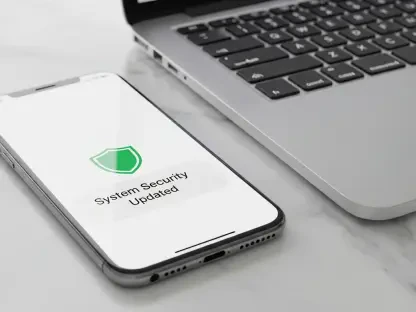
Beyond the controversy surrounding messaging encryption, the latest update introduces several refinements aimed at enhancing the daily user experience and strengthening device security. Apple has integrated several new emoji characters, including a trombone, a treasure chest, and an orca, to expand the visual vocabulary available to users. Parallel to these aesthetic additions is a move toward clearer accessibility terminology, with the system renaming certain settings to Reduce Bright Effects to improve comprehension for those with visual sensitivities. More significantly, the firmware update elevates Stolen Device Protection to a default setting, reflecting a broader industry trend toward hardening hardware against physical theft. These features demonstrate a commitment to internal ecosystem refinement, even as the broader integration of universal security standards remains in flux. While Apple Music and Podcasts receive functional updates to their respective widgets, the stalling of RCS encryption remains the most notable departure from the roadmap. This situation underscores a tension between rapid feature deployment and the rigorous testing required for secure communication. Developers must now wait for future builds to see if the encryption layers return or if the standard remains limited.
Future Implications for Digital Privacy Standards
Organizations and individual users alike recognized the importance of maintaining vigilant security practices while waiting for official updates to bridge the cross-platform gap. Because the latest software build lacked the anticipated encryption for non-native messaging, IT administrators focused on implementing third-party secure communication tools to protect sensitive data during transit. This period of uncertainty highlighted the need for a diversified approach to mobile security that did not rely solely on the native features of a single operating system. Technical teams analyzed the performance of the current beta to determine if the removal resulted from protocol bugs or a strategic shift. Meanwhile, privacy advocates encouraged a transition toward platforms that already offered verified end-to-end encryption across multiple devices. As the development cycle moved forward, the industry learned that achieving a unified and secure messaging standard required more than surface-level compatibility. The focus shifted toward long-term strategies that prioritized cryptographic integrity over immediate convenience. This experience served as a reminder that the evolution of mobile software required iterative testing to ensure final releases met the highest safety standards for the global user base.