The traditional concept of a secure corporate network, a digital fortress with trusted users inside and threats kept outside, has become a relic of a bygone era. Today's workforce is mobile, accessing sensitive data from coffee shops, airports, and home offices, rendering the idea of a secure

When an Immigration and Customs Enforcement agent fatally shot Renee Nicole Good in south Minneapolis on January 7, 2026, the immediate aftermath unfolded in a way that has become disturbingly routine in the modern era of citizen journalism. Cellphone footage of the incident rapidly circulated
When it comes to the intersection of mobile technology and government policy, few understand the deep-seated implications better than Nia Christair. With a rich background in mobile app development and enterprise solutions, she brings a crucial technical perspective to the debate over surveillance.
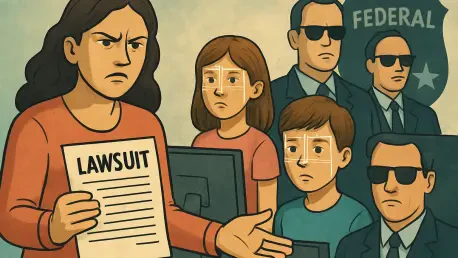
The quiet afternoon outside an Illinois high school last October became the unlikely epicenter of a legal firestorm, as a brief encounter captured on video has pitted state privacy laws against the authority of federal immigration enforcement. The footage, showing U.S. Border Patrol agents
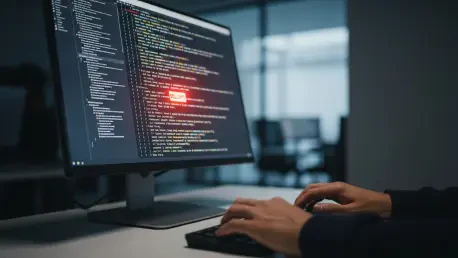
A developer's code editor is often their most trusted workspace, a digital environment where creativity and logic converge to build the next generation of software, but a recent and highly sophisticated malware campaign has turned this sanctuary into a potential minefield. Security researchers have
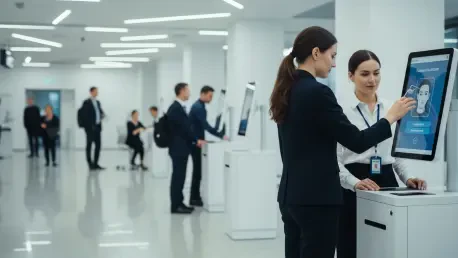
For countless citizens, particularly the elderly or those with certain health conditions, the simple act of pressing a finger against a scanner has long represented an insurmountable barrier to accessing fundamental services. This biometric hurdle has inadvertently excluded a vulnerable segment of