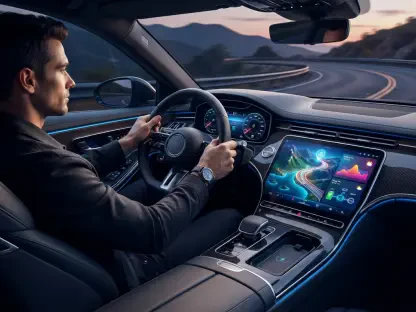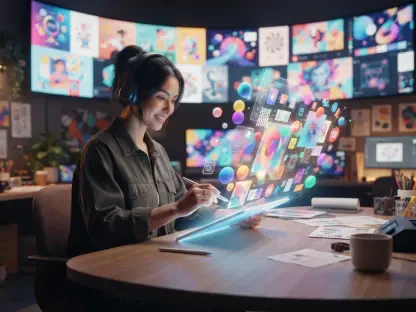
Consumers are increasingly viewing AI as a private utility for personal growth while simultaneously rejecting its use in impersonal corporate marketing strategies. This transition reflects a shift in behavior where digital participants are no longer passive recipients of technology but active

New visual and interactive ad formats are being tested within image-generation workflows like DALL-E to move the platform toward a more immersive display experience. This initiative signals a major shift in how the conversational AI ecosystem interacts with the global marketplace, especially

The Describe a Shortcut feature removes the technical barrier to entry for mobile automation by building logic chains from simple verbal or written instructions. In the current technological landscape of 2026, the integration of generative intelligence into mobile operating systems has redefined

A tap-and-hold gesture on the Modstrip simplifies the process of switching active connections between various paired devices like laptops and smart television sets. This level of seamless integration marks a departure from the conventional dependence on physical docking stations or manual Bluetooth

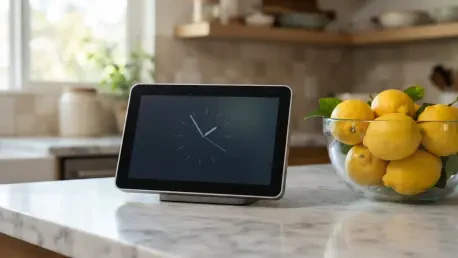
Apple's release of the $299 HomeView signals a calculated shift away from luxury hardware toward a more aggressive, competitive pricing strategy in the smart home sector. This strategic move represents a pivot from the high-margin, niche focus of the original HomePod to a broader ambition:

The recent introduction of Amazon’s Bee hardware lineup, featuring the Frontier and Eclipse devices, signifies a fundamental pivot in how consumer electronics interface with the messy, unscripted reality of human interaction. This launch represents the massive integration of a startup acquisition
1 2 3 4 5 6 7 8 9 10 11 12 13 14 15 16 17 18 19 20 21 22 23 24 25 26 27 28 29 30 31 32 33 34 35 36 37 38 39 40 41 42 43 44 45 46 47 48 49 50 51 52 53 54 55 56 57 58 59