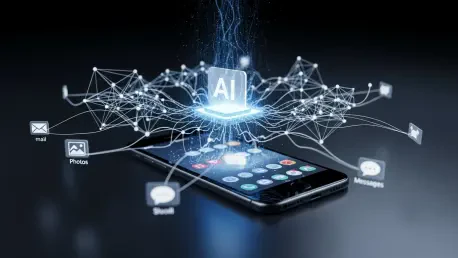

In a technology landscape increasingly dominated by advanced artificial intelligence, Apple is making a pivotal move to reassert its influence with the forthcoming release of iOS 26.4, which will introduce a significantly overhauled digital assistant, Siri 2.0. This update is widely seen as the company’s most important software initiative in years, directly addressing long-standing criticisms that its AI capabilities have lagged behind the rapid advancements made by competitors. The initial iteration of this smarter Siri is not designed to be a direct rival to large-scale conversational models but rather a strategic enhancement focused on deep, practical integration within the Apple ecosystem. The new software aims to grant users unprecedented control over core applications through natural language, allowing Siri to manage tasks within messages, calendars, and photos with greater contextual awareness. This foundational update represents the first major step in a much broader, multi-year AI strategy for the company, setting the stage for more ambitious features in subsequent releases while prioritizing immediate, tangible improvements for its massive user base.
A Phased Rollout for a Foundational AI Overhaul
Apple has outlined a deliberate two-phase release schedule to ensure a smooth transition to its next-generation assistant. The first phase is set to begin on February 23rd, when a developer beta of iOS 26.4 will be made available to those enrolled in the beta program. This early access period is critical, as it will allow developers to test the new Siri’s capabilities and provide essential feedback on its performance and integration with third-party applications. Following this testing period, the full public release of iOS 26.4 is anticipated to arrive in late March or early April. This staggered approach underscores the complexity of the underlying changes. Company insiders have indicated that while this update delivers a more competent and responsive Siri, it intentionally holds back more advanced generative AI features. A sophisticated new chatbot, designed to compete more directly with leading industry models, has been deferred until the major iOS 27 release, allowing Apple to focus first on perfecting the core, on-device functionalities and user experience.
Navigating Beta Software and Future Expectations
The release of the developer beta provided a critical glimpse into the platform’s new direction, yet it also prompted a necessary word of caution for the general public. Experts consistently advised that non-expert users should avoid installing beta software on their primary devices, as pre-release versions can often contain bugs that risk device stability and data integrity. The community of enthusiasts and developers who tested the software were encouraged to share their findings, which played a crucial role in refining the final public version. Ultimately, the launch of Siri 2.0 with iOS 26.4 was understood as an initial, albeit essential, step in a longer journey. It successfully addressed immediate shortcomings by delivering more powerful, integrated control over native applications. However, the decision to postpone its more advanced chatbot capabilities until iOS 27 made it clear that Apple’s full response to the evolving AI landscape was a narrative still being written, with this release serving as the foundational first chapter.