
The upcoming Worldwide Developers Conference represents a critical turning point for Apple as it prepares to bridge the gap between its mobile and desktop platforms more aggressively than ever before. With the expected debut of macOS 27, the tech giant is moving beyond simple feature parity toward a total convergence of the user experience that prioritizes both intelligence and physical interaction. For several years, critics and enthusiasts alike have debated the merits of adding touch capabilities to the Mac, and this new version of the operating system provides the definitive answer by introducing a framework designed for upcoming OLED hardware. This transition is not just about changing how windows look or how buttons behave; it is about creating a more resilient and efficient software foundation that can handle the heavy demands of modern generative AI tasks. By focusing on stability while simultaneously pushing the boundaries of interface design, Apple is signaling that the Mac remains the centerpiece of its professional ecosystem even as it adopts the best elements of its mobile devices.
Foundational Stability and System Performance
Taking a page from the historic release of Mac OS X Snow Leopard, the development cycle for macOS 27 has centered on a “quality first” philosophy that prioritizes the refinement of existing frameworks over the addition of superficial visual gimmicks. Engineering teams have reportedly spent months conducting exhaustive code reviews to identify and eliminate legacy inefficiencies that have accumulated over several rapid release cycles. This approach ensures that the operating system remains lean and responsive, particularly on portable hardware where every cycle of processor activity directly impacts thermal management and battery longevity. By pruning unnecessary background processes and optimizing how the system handles multi-threaded tasks on Apple Silicon, the company is delivering a software environment that feels faster and more reliable. This focus on the “under-the-hood” mechanics provides a necessary baseline for the more complex features being introduced elsewhere in the system, ensuring that new innovations do not come at the expense of general stability.
The emphasis on foundational reliability also addresses the growing complexity of professional workflows that rely on seamless integration between various Apple devices and services. In macOS 27, the file system and synchronization protocols have undergone significant hardening to prevent the minor glitches that sometimes occur during heavy data transfers or cloud updates. This commitment to stability is especially relevant for creative professionals who require a rock-solid environment for video rendering, software development, and large-scale data analysis. Furthermore, by concentrating on bug reduction and performance tuning, Apple is extending the useful life of its hardware, ensuring that even the earliest M1-based machines continue to provide a smooth and efficient experience. This strategy reflects a mature understanding of the desktop market, where users value consistency and uptime just as much as they value new features. The result is an operating system that serves as a quiet, powerful partner in the user’s daily tasks, providing a dependable stage for the more transformative shifts in touch and artificial intelligence.
Adapting the Interface for a Tactile Future
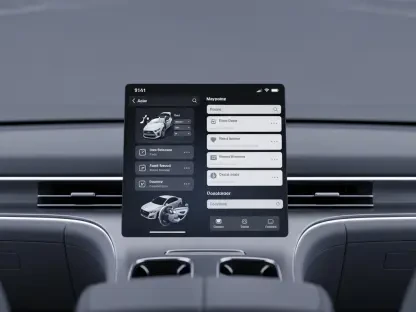
The visual architecture of macOS 27 introduces a sophisticated design language that intelligently adapts to the user’s preferred input method, effectively preparing the platform for a future of touch-integrated hardware. When a user interacts with the system using a traditional mouse or trackpad, the interface maintains the high-density layout and precise control elements that desktop users have come to expect. However, the system is now capable of detecting touch-based interactions on compatible displays, at which point the user interface elements dynamically expand to provide larger, more accessible targets for fingertips. This fluid transition ensures that the menu bars, buttons, and window controls remain usable regardless of whether the user is sitting at a desk or using a portable device in a more casual, tablet-like manner. This bridge between traditional computing and tactile interaction marks the end of the strict separation between the Mac and the iPad, creating a more unified experience across the lineup.
Beyond simple cosmetic adjustments, the new operating system incorporates advanced gesture support that has been refined through years of development on the iPadOS platform. Users can now enjoy high-speed scrolling, pinch-to-zoom capabilities, and multi-finger swipe actions that feel native to the Mac environment rather than like forced additions. These gestures are deeply integrated into the core of the system, allowing for intuitive navigation through photo libraries, complex timelines in editing software, and expansive web pages. The inclusion of these features suggests that the upcoming OLED MacBook Pros will offer a level of interactivity previously unseen in the laptop market, blending the power of a desktop with the intimacy of a touch device. This architectural shift requires developers to rethink how they build applications, but macOS 27 provides the necessary tools and APIs to make this transition as seamless as possible. By embracing touch, Apple is not replacing the keyboard and mouse but rather augmenting them with a more natural way to manipulate digital content.
The Transformation of Siri Into a Digital Agent
The most significant functional leap in macOS 27 involves the complete reconstruction of Siri, which has evolved from a basic voice assistant into a deeply integrated, system-level artificial intelligence agent. Through a strategic partnership with Google and the implementation of custom large language models, the “Apple Intelligence” framework now allows Siri to engage in complex, threaded conversations that maintain context over time. This new version of the assistant is capable of understanding nuanced requests that involve multiple steps and various applications, making it a proactive tool for productivity rather than a reactive one for simple queries. The interface for this new Siri has also been redesigned to be less intrusive, utilizing a conversational history panel that allows users to review previous interactions and summaries. This change signifies a departure from the simple command-and-control model of the past, moving toward a collaborative digital partner that can assist with drafting emails, summarizing research, and managing schedules.
A standout feature of this AI overhaul is the introduction of “onscreen awareness,” which gives the assistant the ability to interpret and act upon the information currently visible to the user. For instance, if a user is looking at a specific document or a thread of messages, they can ask Siri to summarize the key points or send the relevant files to a contact without needing to manually select or attach anything. This capability is paired with a deep understanding of personal context, as the AI can index and retrieve information across the entire system, including emails, calendar invites, and local files. This means a user could ask for the specific details of a meeting mentioned in a message three weeks ago, and Siri will be able to locate and present that data instantly. To reflect this newfound intelligence, Apple has refreshed the visual identity of the assistant with more expressive animations that suggest a more approachable and capable persona. This transformation turns the Mac into an even more powerful tool for information management, leveraging AI to handle the mundane tasks of searching and organizing.
Completing the Transition to Apple Silicon
The release of macOS 27 marks a historic milestone in the company’s hardware journey as it officially ceases support for all Mac computers powered by Intel processors. This decision allows Apple to focus its engineering resources entirely on the unique architecture of its own silicon, ensuring that every new feature is optimized for the neural engines and unified memory of the M-series chips. By dropping the legacy Intel code, the operating system becomes more streamlined, as developers no longer need to maintain dual-architecture compatibility for the core system files. This clean break signals the final conclusion of the transition period that began several years ago, firmly establishing Apple Silicon as the sole foundation for the future of the Mac. While this move may necessitate hardware upgrades for some users, it ensures that the software can take full advantage of the power and efficiency gains that only the ARM-based architecture can provide in a modern computing environment.
In tandem with the departure from Intel hardware, Apple is also beginning the final phase-out of Rosetta 2, the translation layer that allowed Intel-based applications to run on Apple Silicon. While macOS 27 still retains some support for this tool to assist with the tail end of the transition, it is widely expected to be the last version of the operating system to include it in its current form. This serves as a clear signal to the developer community that the time for universal or native ARM applications has fully arrived, and any remaining legacy software must be updated to maintain compatibility. Furthermore, the naming of macOS 27 continues the tradition of honoring California landmarks, with names like Shasta or Redwood being mentioned as potential candidates to reflect the system’s rugged reliability and natural growth. By aligning the software’s identity with the strength of its internal hardware, Apple has created a cohesive vision for the next decade of computing. This transition ensures that the Mac remains at the cutting edge of technology, free from the constraints of older, less efficient processing standards.
Strategic Directions for the Evolving Ecosystem
The rollout of macOS 27 was managed with a focus on ensuring that both developers and the general public had ample time to adapt to the significant changes in system architecture and AI integration. Following the initial unveiling at the Worldwide Developers Conference, a series of comprehensive beta tests allowed for the identification of potential compatibility issues before the software reached a wider audience. This methodical approach proved successful in maintaining the stability that was the core promise of the release, while also giving developers the opportunity to integrate the new Siri agents and touch-ready interfaces into their own applications. As the system moved toward its official public launch, the emphasis remained on creating a seamless experience that felt both familiar to long-time Mac users and exciting for those looking for the next leap in technology. The integration of touch and advanced AI was presented not as a replacement for traditional workflows, but as a sophisticated expansion of what a personal computer could accomplish.
As organizations and individuals moved forward with the adoption of macOS 27, the focus shifted toward maximizing the benefits of a fully unified Apple Silicon environment. IT departments began prioritizing the retirement of remaining Intel hardware to take advantage of the enhanced security and management features provided by the new software. Meanwhile, creative professionals started exploring the possibilities of touch-based editing and AI-driven content organization, finding new efficiencies in their daily routines. The success of this release demonstrated that a balance between performance-oriented stability and forward-thinking innovation was possible when grounded in a cohesive hardware strategy. Users were encouraged to explore the new Siri capabilities as a primary interface for data retrieval, while the adaptive UI ensured that the transition to touch-ready hardware felt natural and earned. This strategic shift successfully positioned the Mac as a modern, versatile platform that is well-prepared to meet the diverse and evolving demands of the next era of professional and personal computing.